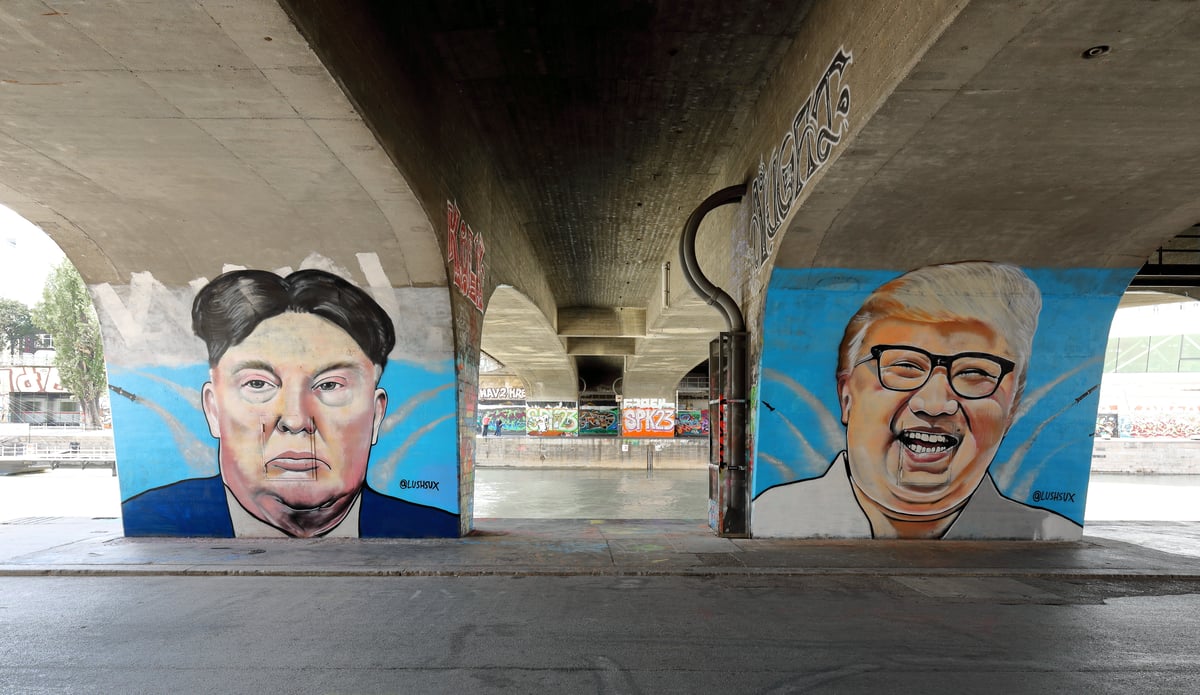
PYONGYANG — Following a comprehensive relationship assessment conducted over two days, the Democratic People’s Republic of Korea and the People’s Republic of China have issued a joint statement confirming their continued commitment to mutual isolation from the international community, effective immediately and indefinitely.
Chairman Xi Jinping concluded his first official visit to Pyongyang since 2019 by reaffirming what analysts are now characterizing as a “strategic partnership” — a term typically reserved for nations that actually exchange goods, information, or basic diplomatic courtesies with one another. The two leaders vowed to strengthen ties in key areas including surveillance technology, agricultural self-sufficiency, and the maintenance of borders that remain functionally closed to almost everyone.
The visit marks a significant milestone in what can only be described as the world’s most committed long-distance relationship. Despite sharing a 1,416-kilometer border, neither nation has successfully implemented a functioning trade relationship or cultural exchange program that would suggest they actually like spending time together. Sources indicate that both leaders spent considerable time in separate rooms during the summit, communicating primarily through official channels and prepared statements.
Experts note that the partnership has achieved a rare equilibrium: two nations equally committed to disappointing their respective populations while maintaining plausible deniability about their mutual dependence. The relationship shows no signs of improvement, progression, or meaningful development of any kind — conditions that both parties appear to regard as optimal.
Further joint announcements are expected never.