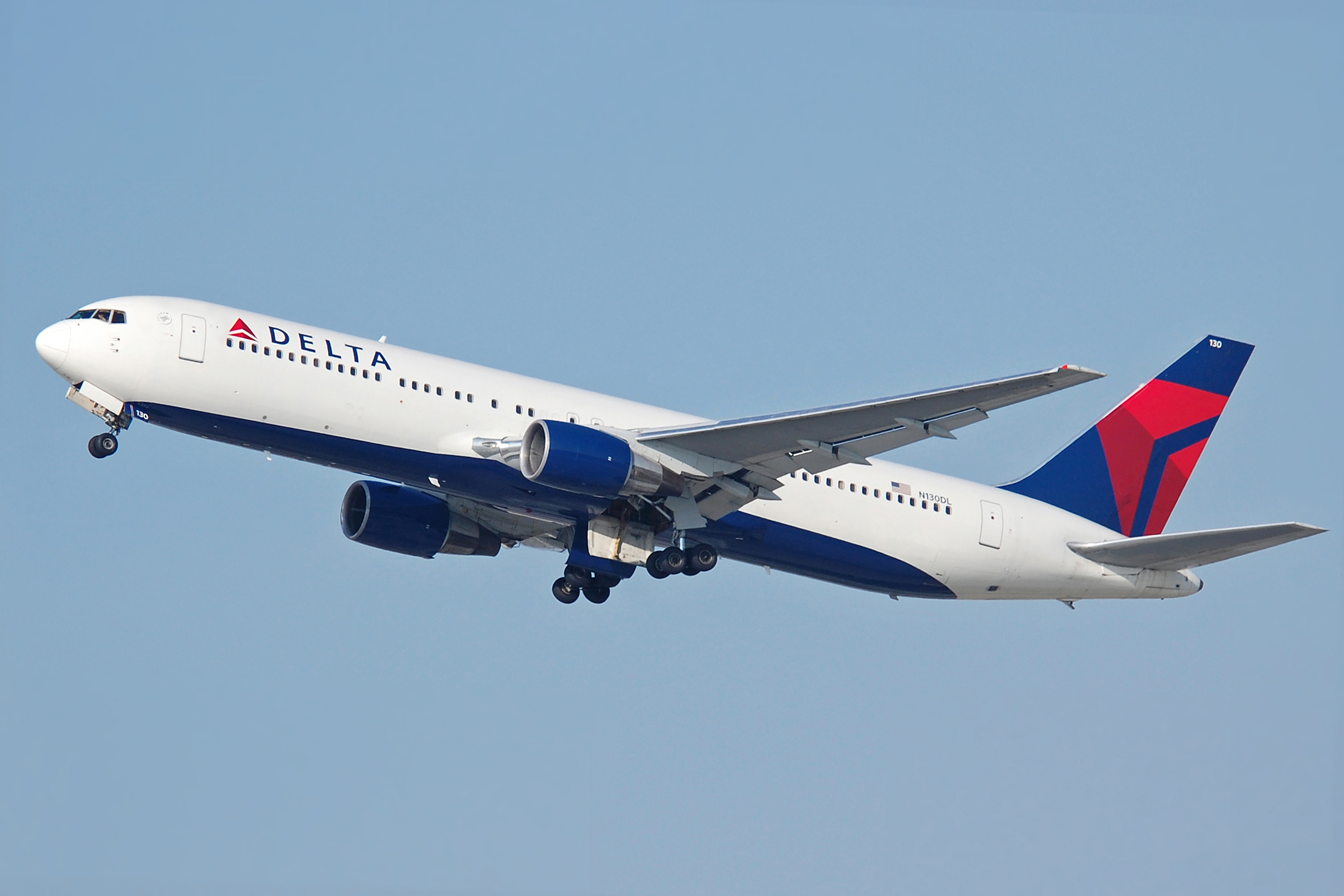
CHICAGO — Following the July 4th incident in which a Delta Air Lines aircraft encountered an airborne pyrotechnic device during final approach to O’Hare International Airport, aviation authorities have begun preliminary assessments of what industry analysts are describing as the opening salvo in a potential new category of existential threat to global commercial aviation.
The aircraft, carrying 52 passengers and six crew members, made contact with the firework at approximately 2,400 feet. No injuries were reported. However, the symbolic significance of the collision has prompted immediate escalation through international aviation governance channels.
The Federal Aviation Administration released a statement indicating that while the specific firework involved has been “preliminarily categorized as consumer-grade,” the incident demonstrates a previously unconsidered vulnerability in established safety protocols. Industry observers note that current aircraft design standards do not explicitly account for hostile meteorological pyrotechnics, a gap that may require significant regulatory revision.
Experts quoted anonymously suggest that without immediate intervention, the skies over major metropolitan areas could face repeated incursions from Independence Day celebrants operating outside established air traffic management frameworks. One aviation consultant described the situation as “a new frontier in uncontrolled airspace hazards,” comparable in urgency to bird strike prevention programs that emerged in the 1960s.
The incident has prompted several airlines to issue internal memos requesting that flight crews maintain heightened vigilance during holiday periods, and the International Air Transport Association has convened an emergency working group to develop best practices for pyrotechnic avoidance.