JOINT STATEMENT — AUKUS UNDERSEA INFRASTRUCTURE PROTECTION INITIATIVE
Date: May 30, 2026 Classification: For Public Distribution
The United States, United Kingdom, and Australia have entered into a formal partnership to develop and deploy autonomous underwater drone systems for the protection of critical submarine telecommunications infrastructure. This initiative represents a coordinated response to what defense officials have characterised as an existential threat to global stability.
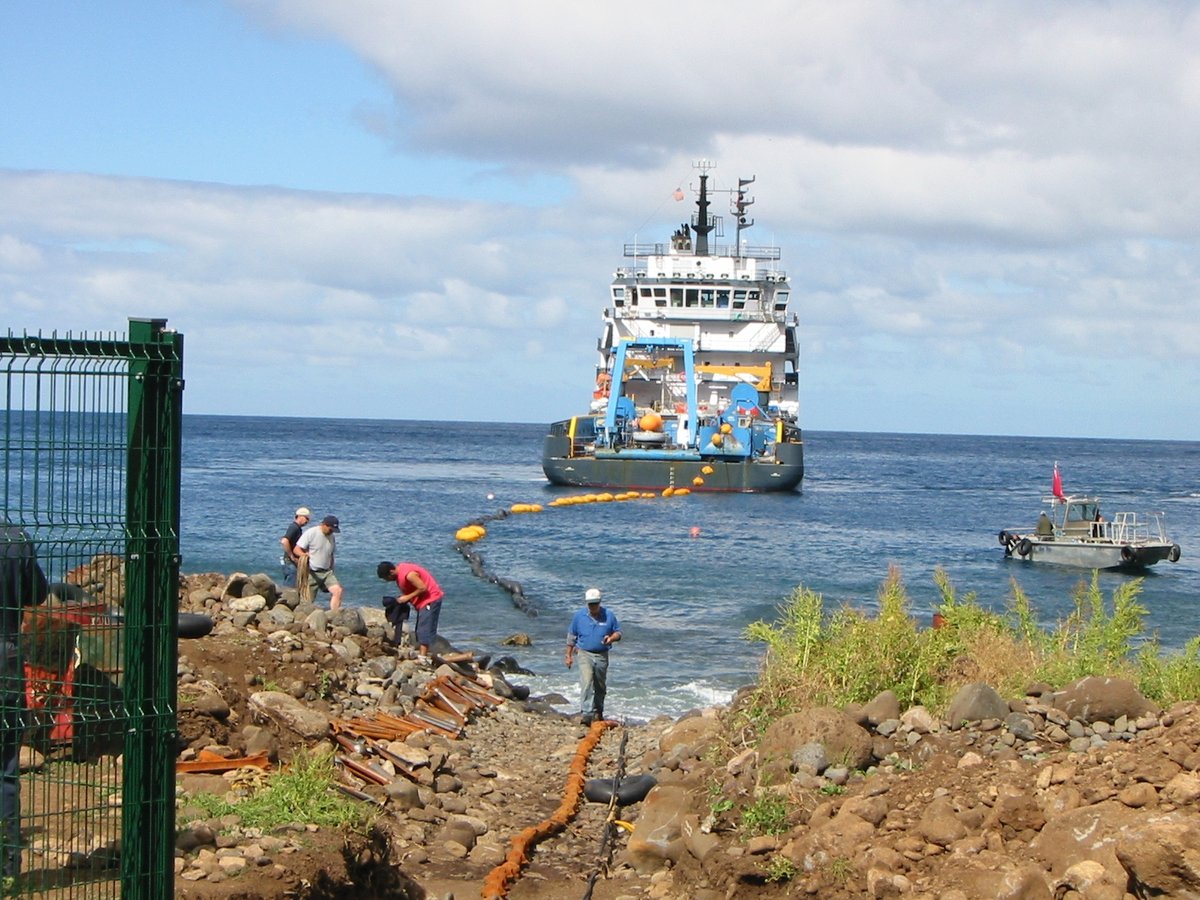
According to briefing materials circulated to participating governments, the world’s digital infrastructure depends almost entirely on a network of undersea cables carrying approximately 99 percent of international data traffic. These cables, which run across ocean floors at depths ranging from 200 to 8,000 meters, have been identified as vulnerable to interference, accidental damage, and what one classified assessment refers to as “deliberate degradation events of uncertain origin.”
The three-nation consortium will invest approximately USD 2.1 billion over the next fiscal cycle to develop drone systems capable of continuous monitoring, rapid response, and what the technical specifications document describes as “protective interventions.” Participating defence contractors have been notified that proposals are now being accepted.
Officials emphasised that this is not a response to any specific incident. Rather, it represents a precautionary measure aligned with what the Department of Defense terms “anticipatory security posturing.” A spokesperson for the UK Ministry of Defence noted that “the cables have been there for decades, but we are only now developing the technological capacity to worry about them comprehensively.”
The drones themselves will be equipped with sensors, communication systems, and what one technical brief vaguely refers to as “asset protection mechanisms.” They will operate on a 24-hour patrol schedule, with command centres established in Washington, London, and Canberra. Each facility will employ approximately 180 personnel dedicated to monitoring live feeds of undersea cable routes.
Critics have raised questions about the scale of the investment relative to documented incidents of cable damage. A 2024 analysis by the International Cable Protection Committee found that the vast majority of undersea cable faults result from ship anchors, fishing activities, and natural seismic events. When asked about this discrepancy, a senior Pentagon official stated that “the absence of evidence should not be confused with evidence of absence,” and that “preparedness is not paranoia when the stakes involve global telecommunications.”
The initiative comes as several countries have expressed concern about potential interference with undersea infrastructure by hostile state actors. These concerns remain largely theoretical, though one NATO assessment suggests that “the capability to disrupt cables exists, and therefore we must assume the intent to do so.”
Participating governments have committed to sharing real-time data from the drone monitoring network through a secure channel designated the “Subsea Cable Integrity Portal.” This system will be housed on servers located in three separate jurisdictions, with redundancy protocols designed to ensure that even if two monitoring centres fail simultaneously, the third will maintain continuous surveillance of the cables.
The announcement has been welcomed by telecommunications companies, which have agreed to provide detailed maps of cable routes, maintenance schedules, and vulnerability assessments. In exchange, they will receive priority access to drone-assisted repair services and what one industry representative called “enhanced situational awareness regarding threats to network continuity.”
Defence analysts have noted that the underwater drone technology will have secondary applications in naval operations, strategic intelligence gathering, and what one think tank report describes as “domain awareness in contested maritime zones.” A spokesperson clarified that these applications are incidental to the primary mission of cable protection.
The first operational drones are expected to be deployed within 18 months. Initial coverage will focus on major cable routes connecting North America to Europe, with expansion to Asia-Pacific routes scheduled for the following fiscal year. A phased rollout plan indicates that by 2029, approximately 40 percent of globally significant undersea cables will be under continuous drone surveillance.
When asked whether this level of monitoring might raise privacy concerns, a government official responded that “the cables themselves do not have privacy expectations, and the drones will be monitoring only the physical integrity of the infrastructure, not the data passing through it.” The distinction was noted without elaboration.
The three governments have also established a joint task force to develop international standards for “undersea infrastructure protection protocols.” Other nations have been invited to participate in these discussions, though participation is described as “voluntary but strongly encouraged.”
In a separate statement, the Chinese government noted that it has developed its own undersea monitoring capabilities and expressed concerns about “external surveillance of critical infrastructure in international waters.” A State Department spokesperson responded that the AUKUS initiative operates only in waters where participating nations have “legitimate strategic interests.”
The programme is expected to generate significant employment in defence manufacturing, software development, and maritime operations sectors across all three countries. Economic impact analyses estimate that the initiative will support approximately 3,200 jobs over the next five years.
Further details regarding drone specifications, deployment schedules, and budget allocations will be released through official channels as they become available. Classified briefings for congressional and parliamentary committees have been scheduled for the coming weeks.
This statement supersedes all previous guidance regarding undersea infrastructure protection.