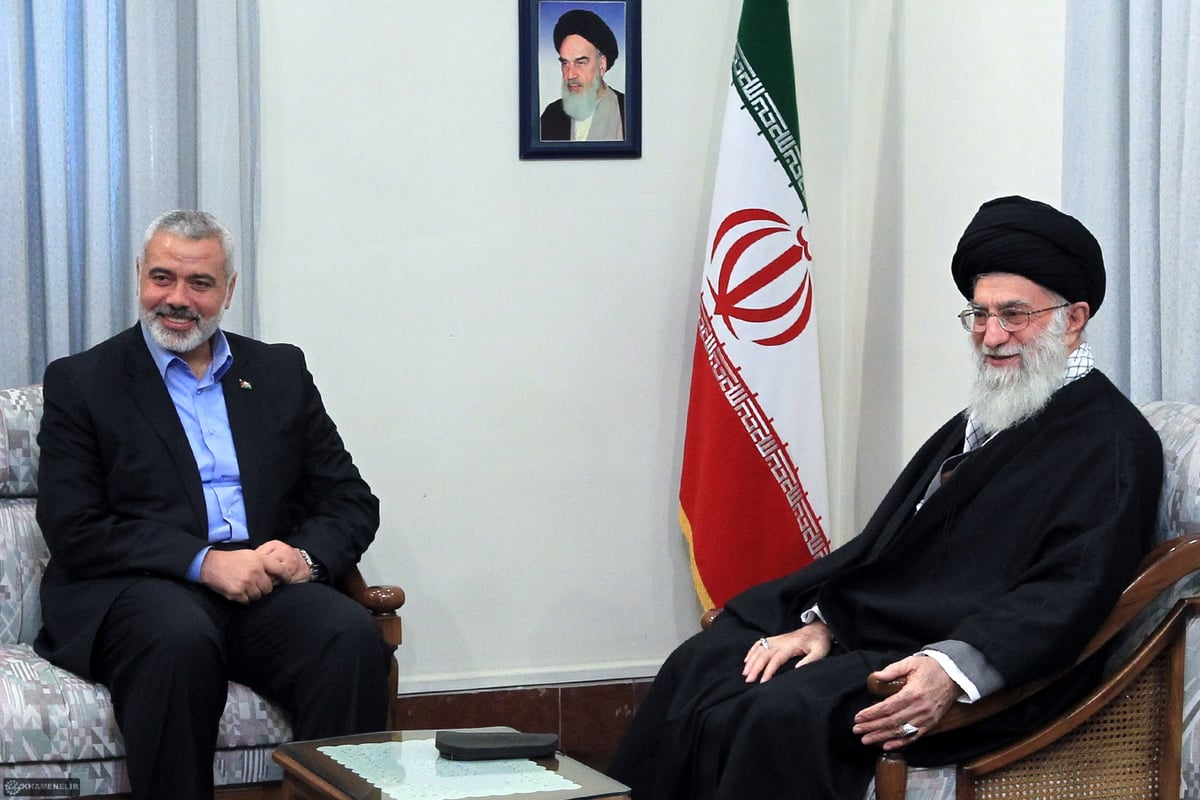
MASHHAD — Following the interment of Supreme Leader Ali Khamenei at the Imam Reza shrine on July 10, an unexpected diplomatic crisis has emerged regarding the quantification of appropriate grief attendance.
International observers have spent the past seventy-two hours engaged in heated correspondence over whether the assembled crowds met the threshold for a funeral of historical significance. The United Nations Security Council convened an emergency session to establish baseline mourning metrics, while the European Union’s Protocol Directorate circulated a seventeen-page technical specification outlining crowd density requirements for leaders of comparable stature.
The U.S. State Department released a statement noting that while attendance figures were “substantial,” questions remain about whether the composition of mourners adequately reflected Iran’s geopolitical standing. A classified memo suggests that the presence of certain allied delegations was insufficient to validate the ceremony’s international legitimacy.
Meanwhile, the Iranian government has submitted a detailed post-incident report documenting crowd flow, peak attendance windows, and demographic breakdowns. Officials have requested that all assessments be conducted through the proper channels, specifically the newly established International Funeral Standards Committee.
The World Health Organization has begun a formal audit of sanitation protocols during the six-day mourning period, while NATO has commissioned an independent assessment of whether the shrine’s capacity adequately reflected the deceased’s strategic importance to regional stability.
No consensus has been reached. Preliminary findings suggest additional mourning ceremonies may be required to satisfy international benchmarks.