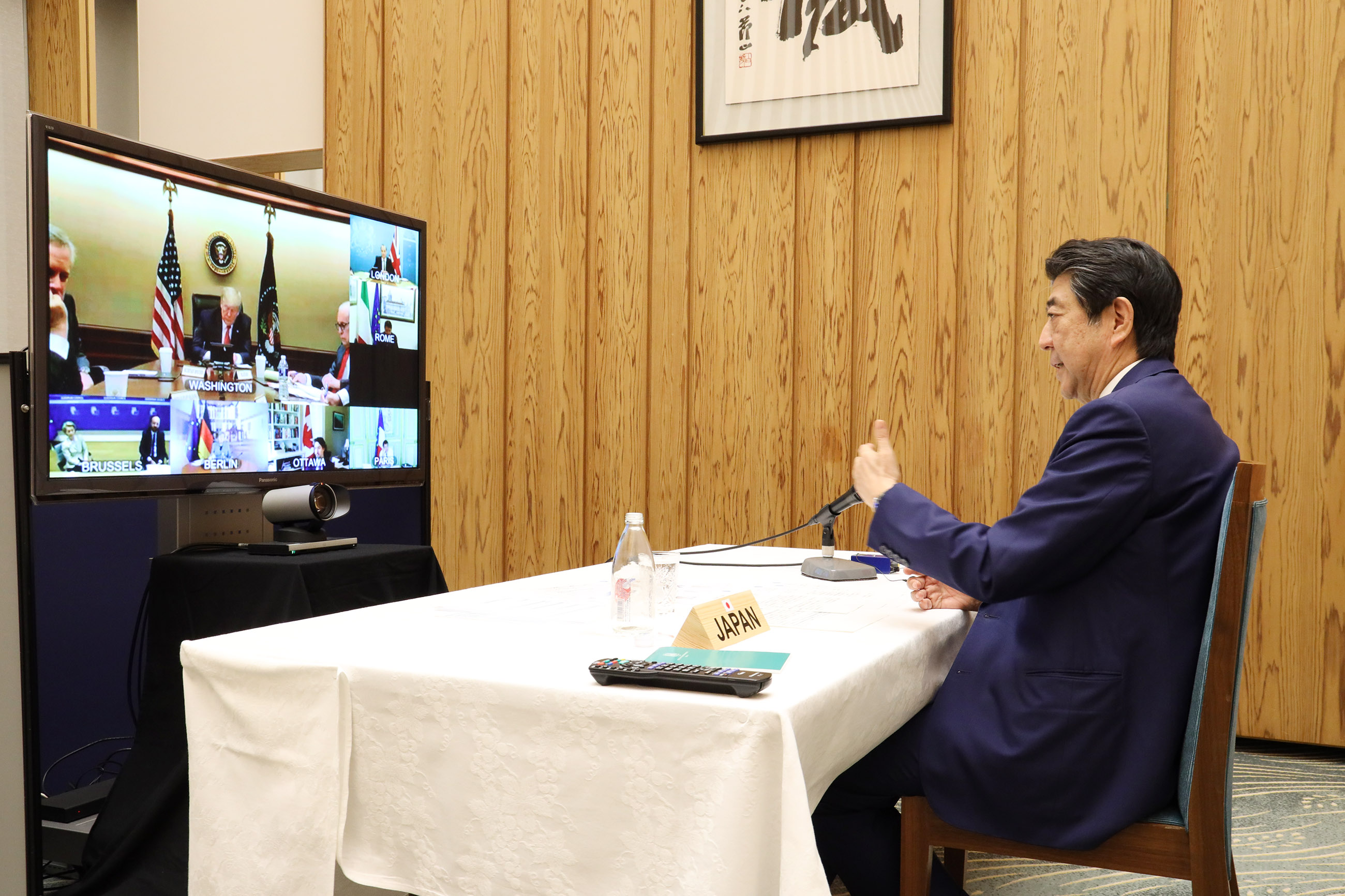
GENEVA — Following an emergency session of the UN Security Council convened at 3 a.m. local time, delegates from seventeen nations have issued a joint statement expressing deep concern regarding what they are characterising as “unprecedented institutional destabilisation within the American Republican Party structure.” The statement, filed under reference number UNSC/2026/0521-ALPHA, notes that recent developments in domestic US politics now qualify as a matter of international security.
The crisis in question stems from a series of electoral outcomes in which former President Donald Trump has successfully endorsed or defeated various Republican candidates based on their demonstrated loyalty to him personally. Officials from France, Germany, and Japan have requested immediate briefings from the State Department. The Canadian Prime Minister convened a task force. NATO’s Secretary General issued a statement noting that “the stability of transatlantic relations may be contingent upon the internal coherence of American political institutions,” before requesting clarification on what exactly constitutes a “RINO” and whether the designation carries legal weight.
The immediate trigger for the emergency session was the defeat of Kentucky Congressman Thomas Massie, who had committed the apparent transgression of voting against federal spending measures and expressing curiosity about certain historical documents. His loss to a Trump-endorsed candidate has been characterised by international observers as evidence of a “breakdown in institutional checks and balances.” The Australian Foreign Ministry issued a statement suggesting that this outcome “may necessitate a recalibration of our strategic partnerships in the Indo-Pacific region,” though officials declined to specify the connection.
A second point of escalation emerged when Trump endorsed Ken Paxton in Texas despite what diplomats are calling “substantial accumulated baggage.” Senate Republicans who have worked alongside Paxton for decades expressed dismay at this decision, a response that international analysts have interpreted as a sign of total party collapse. The South Korean government requested a briefing on whether this represented a permanent fracturing of the Republican coalition or merely a temporary realignment. The answer remains unclear.
In Louisiana, the pattern repeated itself when Trump threw his support behind Julia Letlow in a challenge to an incumbent senator who had voted to convict him during a previous impeachment proceeding. The incumbent’s defeat has been logged by the European Union as a potential indicator of democratic erosion in the United States. Brussels has not yet determined whether this requires sanctions or merely strongly worded correspondence.
International observers have noted that Trump’s demonstrated ability to determine which Republicans survive primary challenges represents what one UN analyst described as “a concentration of factional power that would be concerning in any democratic system, but is particularly alarming when exercised by someone who is not currently in elected office.” The statement was filed in triplicate and forwarded to the appropriate committees.
The White House has not issued a formal response. The State Department’s Bureau of Legislative Affairs released a holding statement indicating that “the United States takes seriously the concerns of our international partners and remains committed to the principles of democratic governance, even as we acknowledge that internal party dynamics are a matter for American voters to determine.” This statement was immediately contradicted by the President, who posted on social media that international concern about his party’s internal structure was “fake news” and “election interference.”
Mexico has called for a regional summit. The United Kingdom has suggested that perhaps everyone should simply wait until the midterms to see what happens. Japan has requested a briefing on the constitutional basis for a former president’s continued influence over an active political party. The answer involves the First Amendment, which has been described by one German official as “a loophole in your system that we did not previously understand.”
The International Criminal Court has issued a statement clarifying that it does not have jurisdiction over American domestic politics, though it is “monitoring the situation with interest.”
At press time, three additional Republican candidates had been endorsed by Trump, two had been declared “disloyal,” and the global markets had responded to this news by doing approximately nothing, suggesting that international investors may have concluded that American political instability is now priced into all asset classes.