INSTITUTIONAL ASSESSMENT — WILDLIFE COMPETENCY ANALYSIS June 5, 2026
Following recent events in north-east Japan, the Department of Interspecies Governance has commissioned a comprehensive review of human administrative capacity relative to non-human intelligence metrics. The findings are sobering.
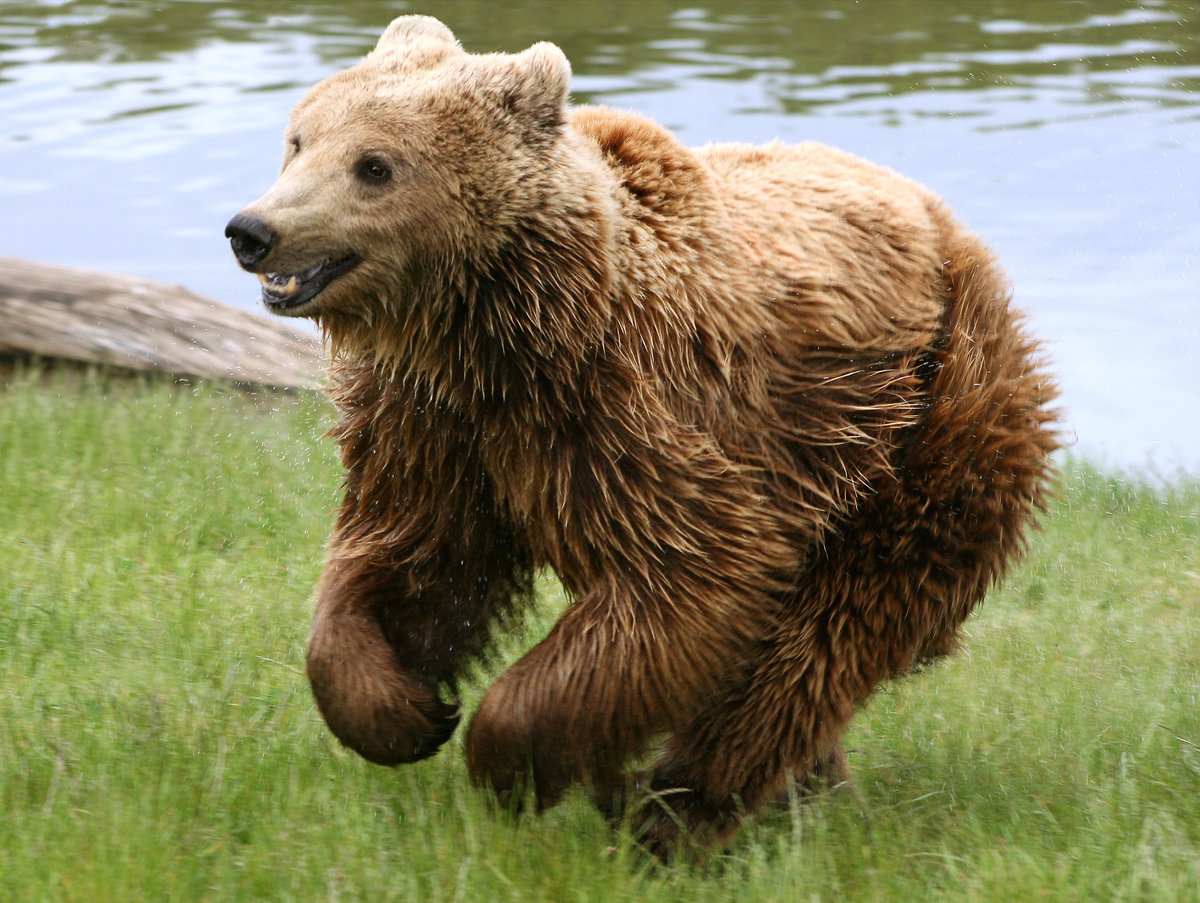
On an unspecified date in late May, a specimen classified as Ursus arctos ussuricus (hereafter referred to as “Subject A”) demonstrated a level of operational sophistication that has prompted a reassessment of baseline assumptions regarding wildlife behaviour and, more critically, human institutional competence.
Subject A, described by regional authorities as “extremely intelligent,” executed a tactical escape from containment by manipulating a window mechanism. Four personnel sustained injuries during the incident. The bear remains at large.
What distinguishes this event from routine wildlife management is not the escape itself—animals escape. What distinguishes it is the method. The window opening suggests Subject A possesses not merely instinctive problem-solving capacity but an understanding of mechanical systems. This places the bear in a category of intelligence previously reserved for creatures with opposable thumbs, formal education, and LinkedIn profiles.
Meanwhile, the institutions tasked with managing this situation continue to operate according to protocols designed for bears of average capability. Search teams deploy. Tranquilizer units mobilize. Press releases are issued at intervals. The machinery of human governance grinds forward, indifferent to the possibility that it may now be outmatched by a 200-kilogram mammal with a superior grasp of door hardware.
This is not a unique observation. Across multiple jurisdictions and sectors, intelligent non-human actors have begun to demonstrate decision-making patterns that exceed the adaptive capacity of the bureaucratic systems designed to contain them. A bear in Japan opens a window. A dolphin in Australia coordinates escape routes. An octopus in captivity solves puzzles designed by humans and then solves the puzzle of leaving the puzzle behind entirely.
The recession of human competence has been well documented. Supply chains collapse. Infrastructure fails. Government agencies operate under budget constraints that would render a small business insolvent. Cybersecurity teams are understaffed. Environmental monitoring systems run on 15-year-old software. The systems that manage critical functions—healthcare, transportation, energy—are held together by personnel who have learned to do more with less until “less” has become a philosophical position rather than a constraint.
Into this landscape of institutional decline steps Subject A, a bear with a working knowledge of windows.
The geopolitical implications warrant consideration. Japan’s wildlife management infrastructure, while functional, operates within a broader context of demographic stagnation and resource allocation challenges. A nation managing population decline, aging infrastructure, and economic headwinds now must contend with wildlife that has developed problem-solving capabilities that exceed the adaptive response capacity of local governance structures. This is not a failure of Japanese institutions specifically. It is a microcosm of a global pattern: complex systems, designed for conditions that no longer obtain, now face actors whose intelligence has evolved while human institutional capacity has stagnated or declined.
Subject A’s escape has been characterized as a breach of containment. A more accurate characterization might be a diplomatic maneuver. The bear, by demonstrating mastery of mechanical systems, has effectively communicated a message to the institutions arrayed against it: your protocols are obsolete. Your assumptions are outdated. Your capacity to manage complex situations has declined below the threshold required to contain entities of my intelligence level.
The bear has, in effect, negotiated from a position of strength by simply refusing to acknowledge the legitimacy of the containment framework.
Regional authorities continue search operations. They have established perimeters. They have issued warnings to residents. They have deployed resources according to established protocols. These actions suggest a continued belief that the situation remains manageable through conventional means. This belief may itself be a liability.
If Subject A has indeed developed the capacity to manipulate mechanical systems, then Subject A has also developed the capacity to understand that humans operate according to predictable patterns. A bear that understands windows may also understand that humans search in grids, that humans follow established routes, that humans are constrained by shift changes and budget cycles and the need to return home at regular intervals.
Meanwhile, Subject A operates according to bear logic, which is to say logic that prioritizes survival, resource acquisition, and freedom from constraint. No shift changes. No budget cycles. No institutional inertia.
The broader question concerns what this pattern suggests about the trajectory of human governance in an era of resource scarcity and institutional decline. If a single bear can outmaneuver the combined resources of a regional government, what does this suggest about the capacity of those same institutions to manage more complex threats: climate migration, infrastructure collapse, or the emergence of genuinely hostile non-human intelligence.
Subject A remains at large. Search operations continue. The window, meanwhile, remains open.
The bear has made its point.