INTERNAL COMMUNICATIONS SUMMARY — OPERATIONAL STATUS UPDATE Date: May 22, 2026 Classification: For General Distribution
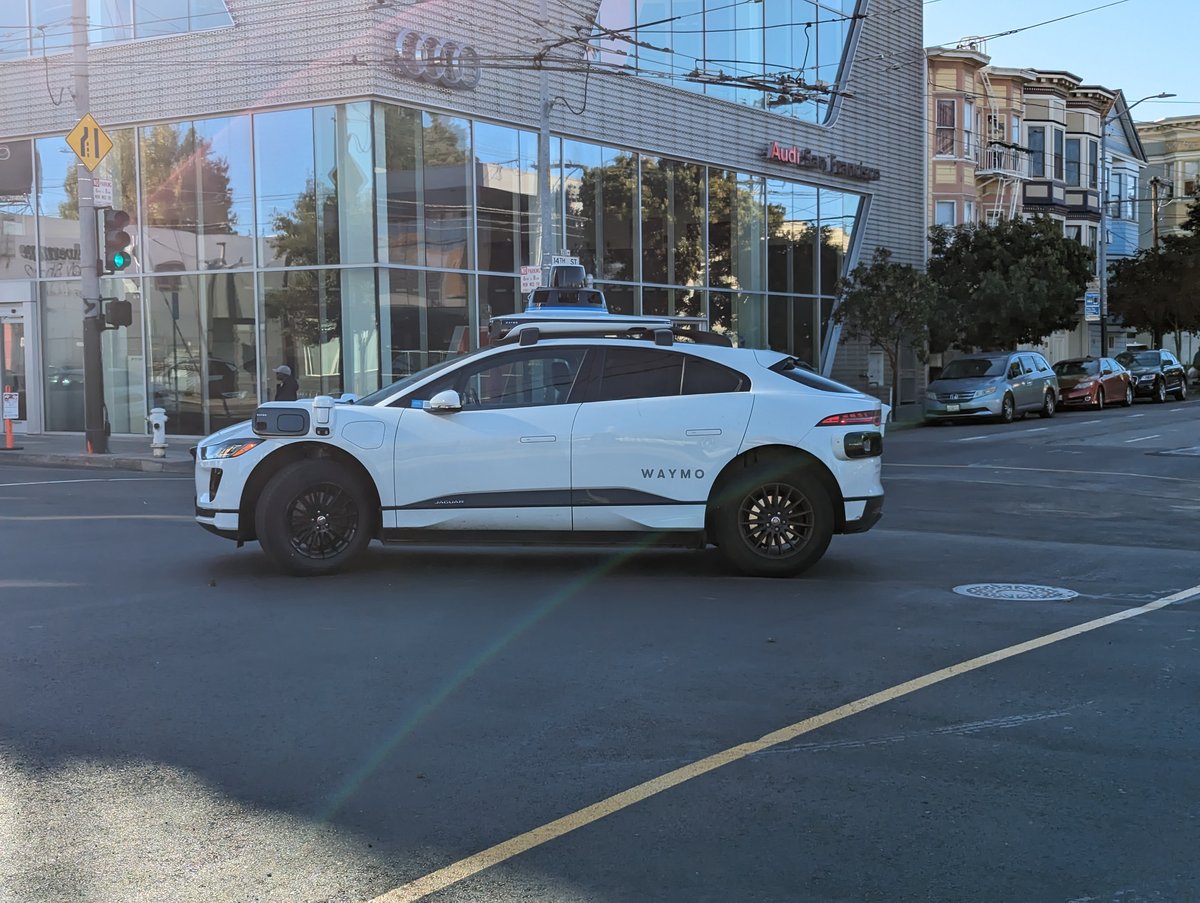
Waymo has implemented a temporary operational pause across robotaxi services in five metropolitan areas, effective immediately. This measure has been undertaken in response to an unanticipated environmental variable that has emerged during routine service delivery.
The variable in question is water.
According to a statement issued by Waymo’s communications department on May 21, the autonomous vehicle fleet encountered difficulties navigating roadways that had accumulated precipitation and surface runoff. Several vehicles proceeded into flooded thoroughfares, resulting in service interruptions and the need for manual recovery operations. The company characterised this response as an expansion of precautionary measures “out of an abundance of caution.”
The affected metropolitan areas include Phoenix, Arizona; San Francisco, California; Los Angeles, California; Las Vegas, Nevada; and Austin, Texas. All three were selected for initial deployment based on historical weather data indicating minimal precipitation variability. The flooding events that triggered the pause occurred during seasonal weather patterns that meteorologists have documented for approximately ten thousand years.
Waymo’s engineering teams have initiated a comprehensive review of the vehicle guidance systems. Initial diagnostics suggest that the autonomous navigation stack, which has successfully processed millions of miles of urban driving data, may lack adequate training data related to the phenomenon of standing water on road surfaces. The company’s machine learning infrastructure, which operates at speeds measured in teraflops, has been temporarily unable to distinguish between a passable roadway and a roadway that has been converted into a shallow temporary water body.
A technical working group has been established to address what the company is now referring to as “hydrology integration challenges.” The group will examine whether existing sensor arrays—which include lidar, radar, and visual processing systems—require recalibration or whether the decision-making algorithms themselves need restructuring to account for the presence of moisture.
Company leadership has emphasized that this pause represents a temporary operational adjustment rather than a systematic failure. In a statement to investors, Waymo noted that the affected vehicles had successfully navigated thousands of hours of driving prior to encountering wet pavement, suggesting that the technology remains fundamentally sound. The company has scheduled a software update for Q3 2026 that is expected to address the identified limitations.
Industry analysts have noted that this represents the first major operational constraint encountered by the autonomous vehicle sector that cannot be attributed to regulatory uncertainty, insurance liability frameworks, or urban infrastructure limitations. The constraint is, instead, weather.
Waymo has committed to resuming service in the affected cities once precipitation forecasts indicate a period of sustained dryness and the vehicle fleet has completed additional validation testing. The company estimates this timeline at between two and six weeks, pending regional weather patterns.
The pause affects approximately 400 autonomous vehicles currently in active service across the five cities. Customers who had booked rides during the pause period have been notified and offered alternative transportation options through partner services. The company’s customer support team has been briefed on talking points emphasizing the temporary nature of the suspension and the company’s commitment to safety protocols.
This operational pause does not affect Waymo’s long-term deployment timeline or investor guidance. The company maintains its position that autonomous vehicle technology represents the future of urban transportation and that temporary operational adjustments due to environmental variables are consistent with the maturation of any emerging technology sector.
Further updates will be provided as the situation develops.