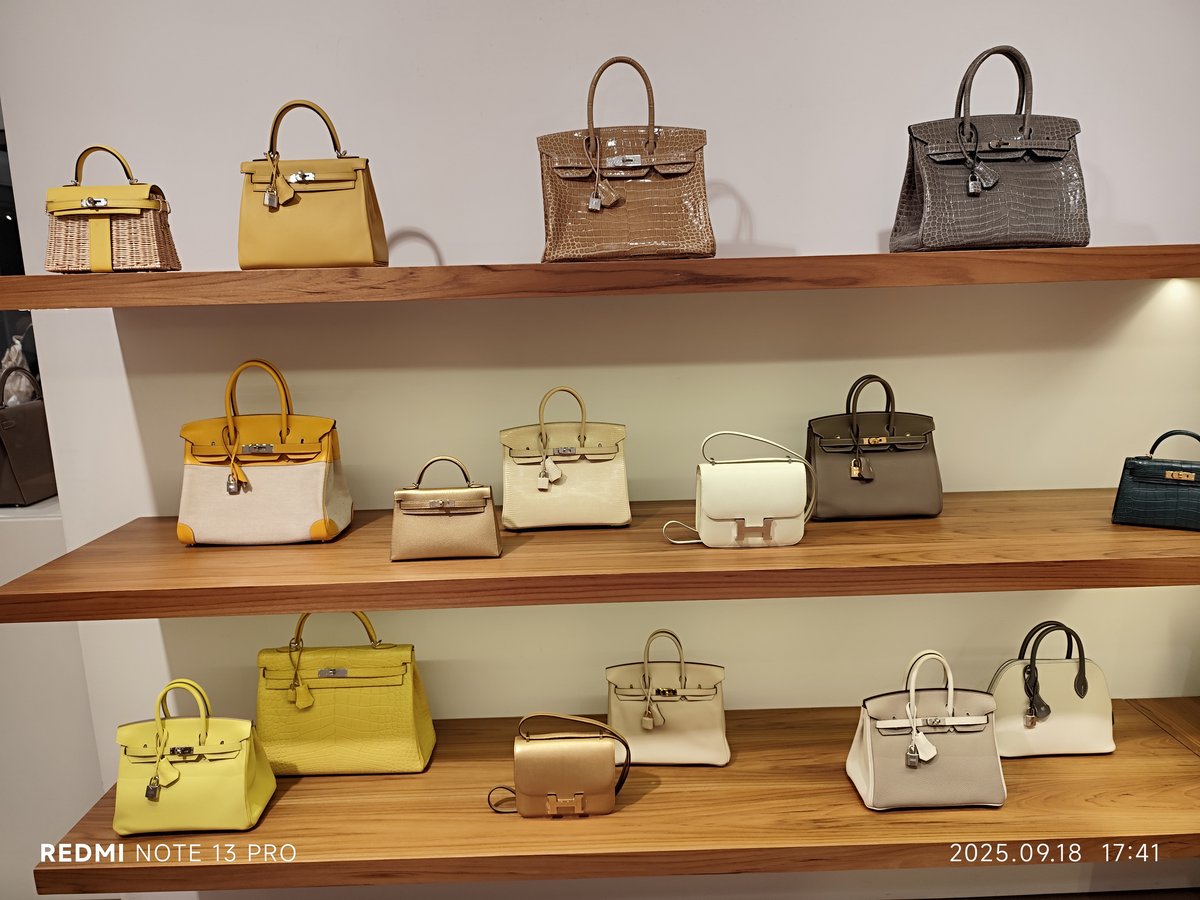
HANOI — Following sustained diplomatic pressure from Washington, Vietnamese authorities have initiated what officials are characterizing as a comprehensive enforcement initiative targeting the manufacture and distribution of counterfeit luxury goods. The operation, designated Task Force Protocol 2026-Alpha, represents a significant shift in resource allocation across multiple enforcement agencies.
The timing of this crackdown coincides with renewed trade discussions between Hanoi and the Trump administration, a fact that government communications have carefully avoided describing as causal. Instead, officials have framed the operation as a long-standing commitment to intellectual property protection, one that happens to have accelerated following a series of high-level meetings with U.S. trade representatives.
Local manufacturers, who have built substantial enterprises around the production of unauthorized designer merchandise, now face an unprecedented enforcement environment. Some have begun transitioning operations to adjacent sectors. Others have expressed confusion regarding the sudden enforcement of regulations that existed previously but were, by all accounts, rarely prioritized.
Meanwhile, Vietnamese officials continue to characterize the initiative as a sovereign policy decision, a position that requires no external validation or acknowledgment of external pressure. The distinction between responding to diplomatic demands and independently choosing to respond to those same demands has proven legally and rhetorically useful.
Trade analysts suggest this represents a calculated repositioning within broader geopolitical negotiations. Whether the counterfeit industry itself survives this enforcement campaign remains secondary to the signal the campaign sends: that Vietnam understands which way the wind blows, and has the administrative capacity to reorganize its informal economy accordingly.