INTERNAL BRIEFING — PRODUCE SECTOR STABILITY ASSESSMENT
Following the identification of cyclosporiasis contamination in iceberg lettuce supplied by Taylor Farms to major retail and quick-service restaurant chains, the Department of Agricultural Commerce has determined that the American consumer now operates within a state of perpetual salad uncertainty. This represents a fundamental shift in the risk calculus of routine grocery transactions.
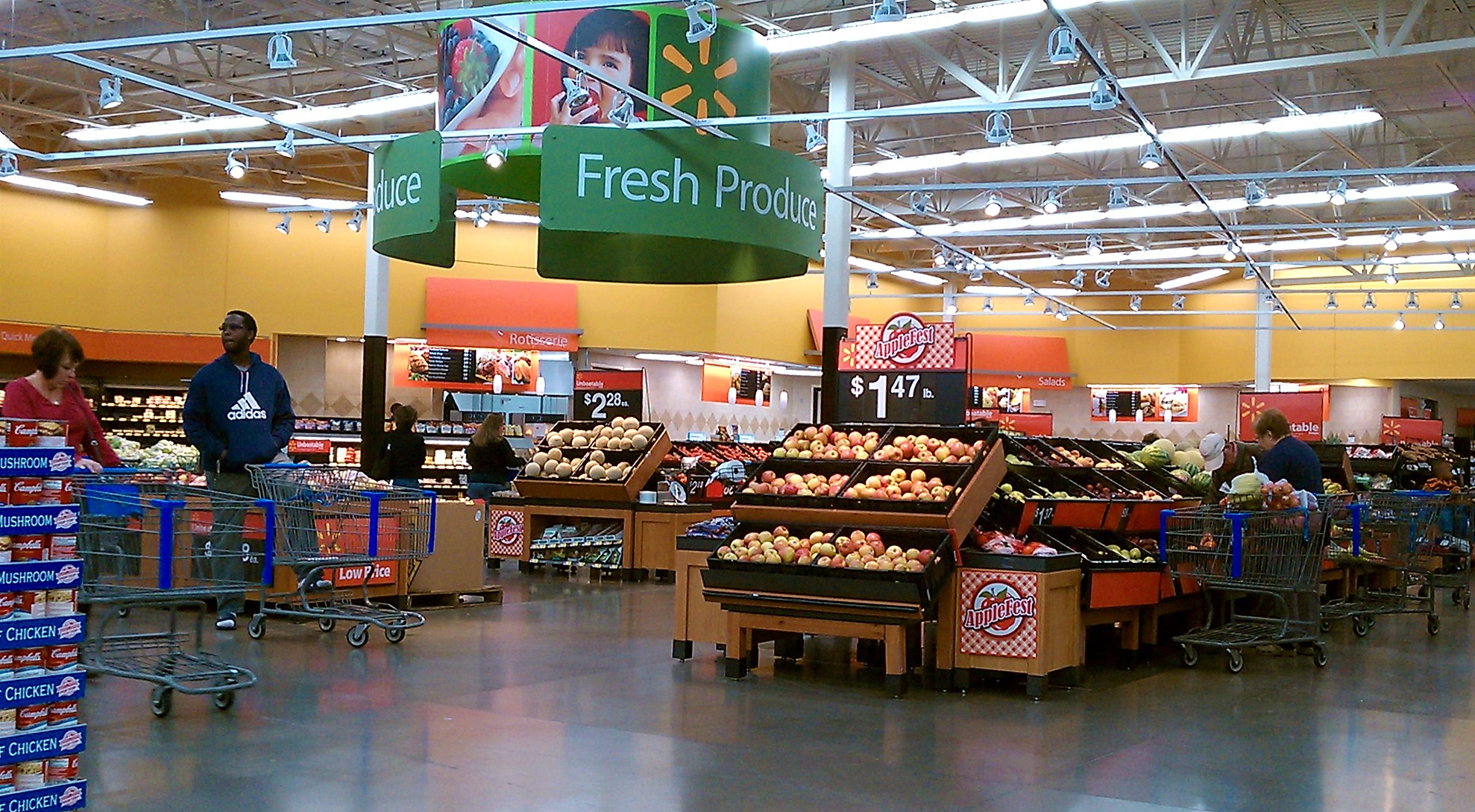
The outbreak, traced to products distributed through Walmart and Taco Bell supply chains, has created what institutional analysts are characterizing as a “trust deficit in the cold-chain vegetable ecosystem.” Citizens previously accustomed to the assumption that assembled greens posed minimal existential threat must now conduct informal epidemiological assessments before each meal consumption event.
The broader implications extend beyond individual gastrointestinal events. Agricultural supply networks that once operated as transparent commodity flows have now been recategorized as zones of potential biological exposure. Consumers report heightened vigilance during produce selection, a behavioral shift that suggests the lettuce supply chain has entered what food security experts term the “transparency reformation phase.”n Regulatory bodies continue to monitor distribution patterns. The incident demonstrates that even standardized, industrialized agriculture remains vulnerable to contamination vectors that existing quality assurance protocols failed to intercept. Whether this represents a systemic gap in oversight or an isolated operational failure remains subject to ongoing departmental review.
Citizens are advised to continue consuming vegetables while maintaining appropriate caution protocols.