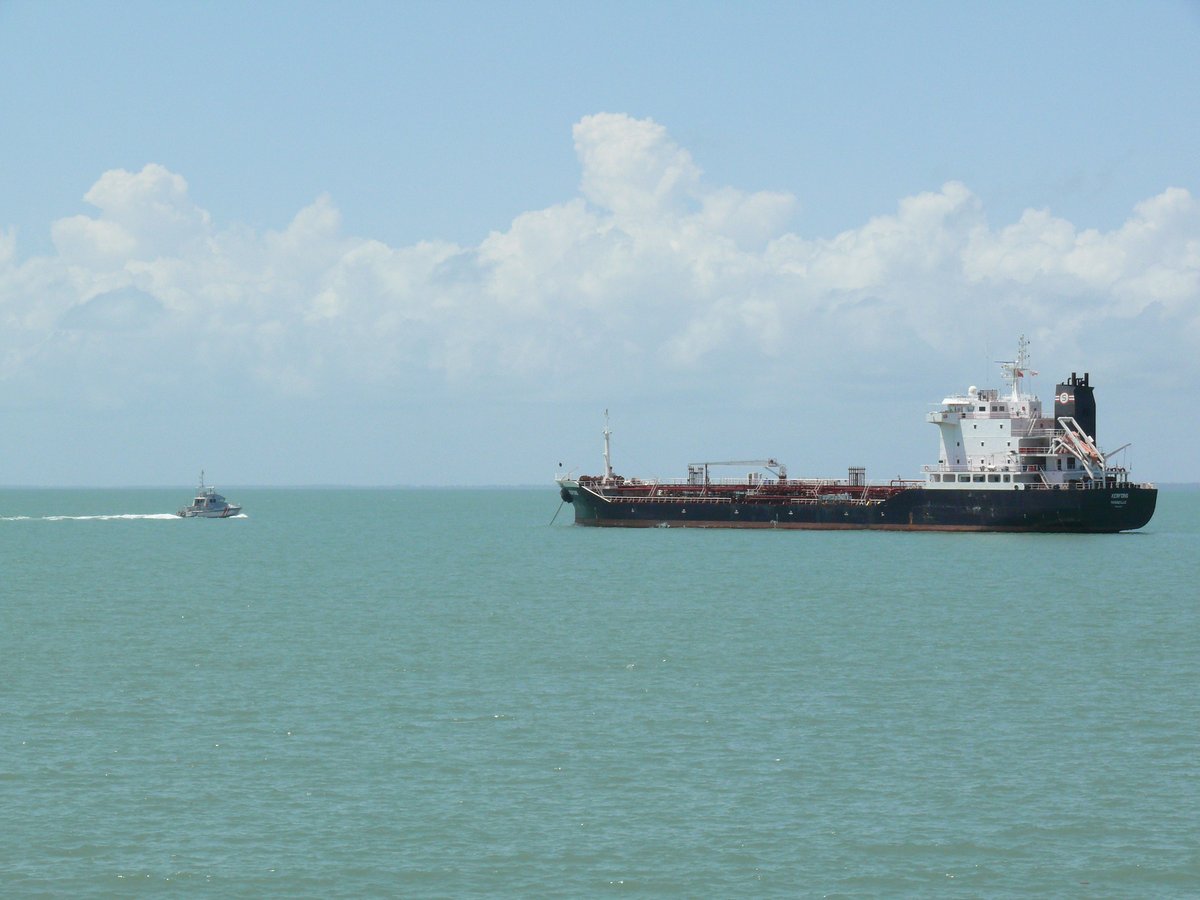
INTER-AGENCY COORDINATION MEMORANDUM — RE: Escalation Management Protocol
Following recent maritime incidents in the Persian Gulf, both parties have demonstrated a commitment to maintaining symmetry in retaliatory actions. The US Naval Command reports successful engagement with three Iranian-flagged vessels, while Iranian Revolutionary Guard sources confirm targeting of three US-linked commercial assets. This balance represents a significant achievement in conflict choreography.
The exchanges reflect what diplomatic analysts are describing as a carefully calibrated sequence of moves. Each action appears designed to match the scale and scope of the preceding incident, suggesting both parties are operating from identical operational playbooks. When one nation strikes three vessels, the other responds by striking three vessels. The precision of this numerical correspondence indicates either exceptional coordination or a mutual understanding of acceptable escalation thresholds.
Industry observers note that both sides have selected economically significant targets—oil tankers and commercial shipping—maximizing visibility while maintaining sufficient deniability for political purposes. This approach allows each party to claim defensive posture while advancing offensive objectives through channels that preserve diplomatic pathways.
The maritime domain has proven particularly suitable for this arrangement. Ships operate in international waters where attribution becomes complicated, insurance claims can be filed, and the broader global economy absorbs the costs through elevated energy prices and supply chain disruptions. No formal declarations are required. No congressional votes are necessary. No public accountability mechanisms are triggered.
As of this reporting date, both parties remain positioned for continued symmetrical response cycles. Shipping insurance premiums have adjusted accordingly.