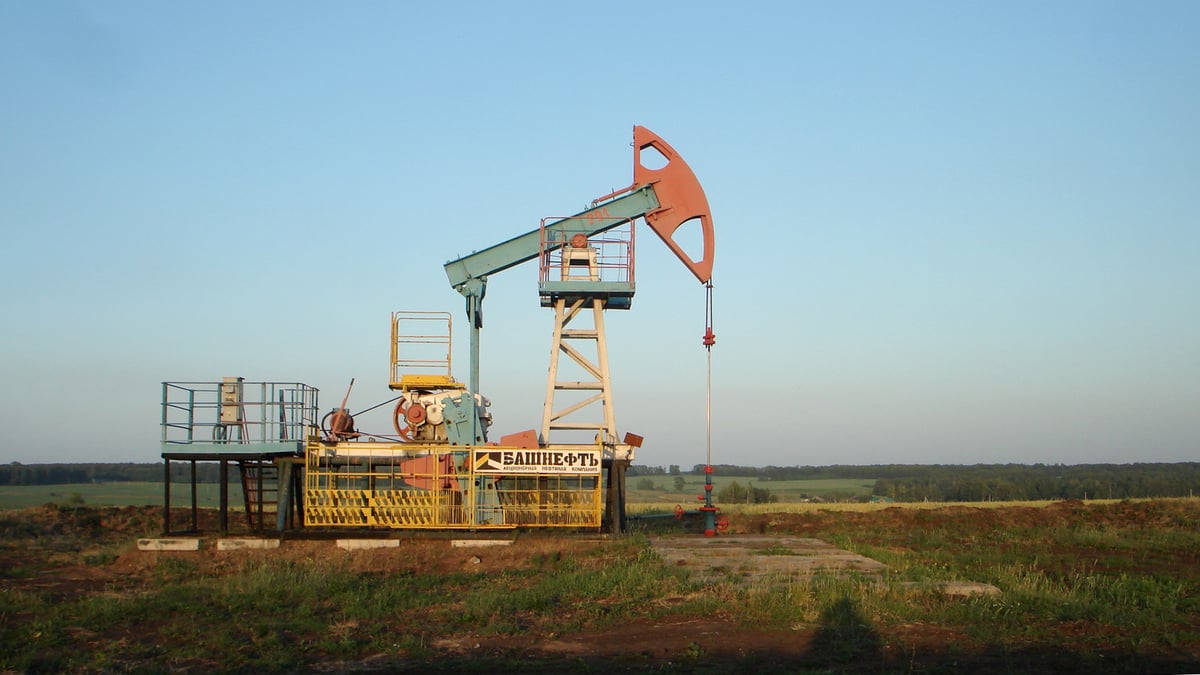
KYIV — Following a comprehensive strategic review, Ukraine’s Ministry of Trade and Gastronomic Resilience has confirmed that recent strikes against Russian oil infrastructure form an integral component of a newly proposed peace framework centered on cuisine-based economic sanctions.
The initiative, formally designated as Operation Borscht Leverage, seeks to restrict Moscow’s capacity to finance military operations by targeting the energy infrastructure that powers Russian food production and export. Ukrainian officials have indicated that the strikes represent a measured response to what they characterize as Russia’s “excessive reliance on culinary revenues to sustain conflict operations.”
According to a statement issued by the Presidential Office of Dietary Diplomacy, the targeting of two major refineries was calibrated to maximize impact on Russia’s ability to manufacture and distribute traditional dishes, thereby constraining the economic model that has historically funded military expenditure.
The proposal now under consideration by international mediators would establish a tiered tariff system on Russian cuisine imports, with rates escalating based on refinery capacity restoration. Preliminary frameworks suggest that borscht, pelmeni, and certain categories of vodka would face duties ranging from 40 to 180 percent, contingent on compliance benchmarks.
Russian officials have characterized the culinary sanctions framework as “economically incoherent,” though they have not formally rejected negotiations. International observers have noted that the approach represents an unprecedented fusion of military strategy, trade policy, and gastrodiplomacy, establishing new precedent for conflict resolution mechanisms in the post-industrial era.