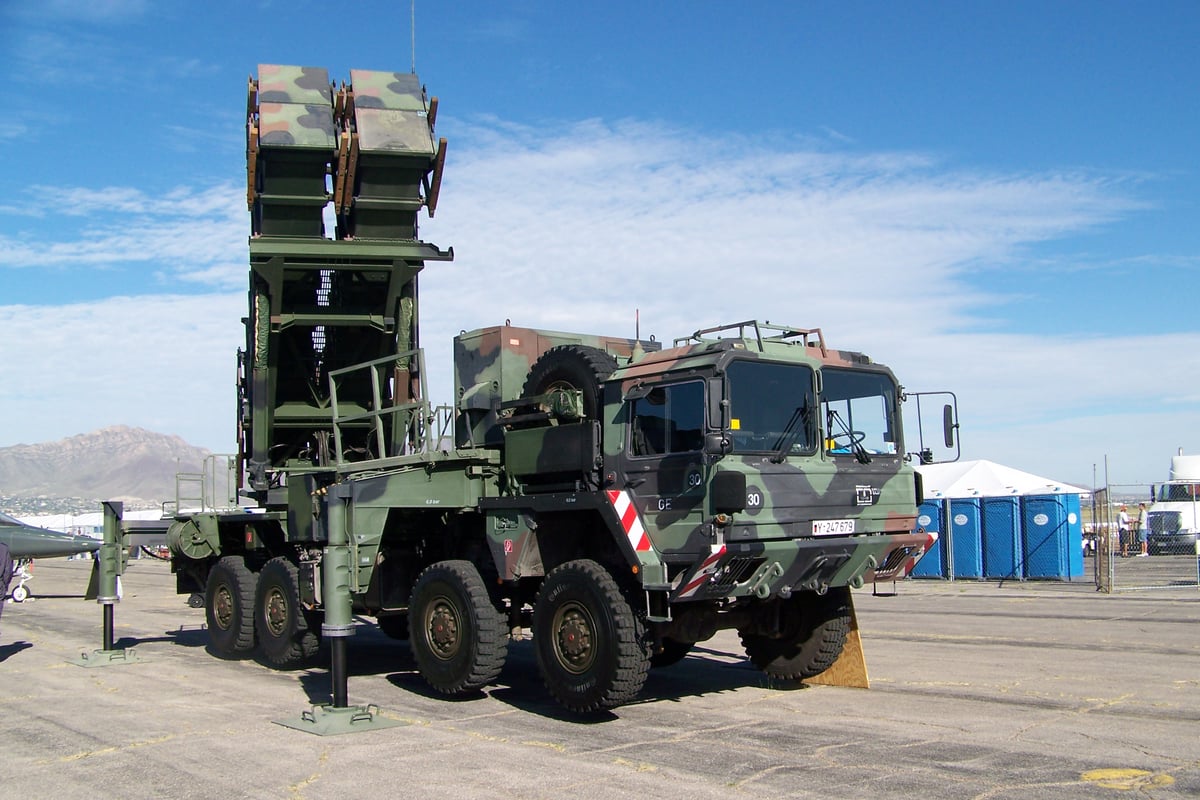
INTERAGENCY COORDINATION MEMO — RE: MISSILE CONSUMPTION PROJECTIONS
Following recent escalations in air defense capacity constraints, allied nations have informally established what appears to be a speculative framework regarding Ukraine’s defensive sustainability. While no formal betting syndicate exists in any official capacity, intelligence assessments suggest several NATO members have begun tracking missile interception rates with the precision typically reserved for commodity futures markets.
The shortage of Patriot air defense interceptors has created an unintended side effect: international diplomatic circles now operate with the transparency of a high-stakes poker game. Allied defense ministers, when gathered in Brussels or via secure videoconference, have begun discussing Ukraine’s air defense posture using language that would not be out of place at a casino. Phrases such as “how many more can they absorb” and “what’s the break-even point” now feature prominently in classified briefings.
Department of Strategic Assessment analysts note that this is not, technically, gambling. It is instead “probabilistic resource allocation modeling.” The distinction is important for accounting purposes.
The core issue remains straightforward: Russia continues launching missiles at rates that exceed Western production and transfer capabilities. Ukraine intercepts approximately seventy percent of incoming strikes. The mathematical remainder—those thirty percent that land—has become the subject of increasingly frank conversations among allied capitals about how much longer this particular game can continue.
No official wagers have been recorded. This memo documents only that such conversations occur with remarkable regularity, and that allied governments have begun speaking about civilian casualties in Ukraine using the same tone they reserve for quarterly earnings reports.
The situation is being monitored. Protocols remain in effect.