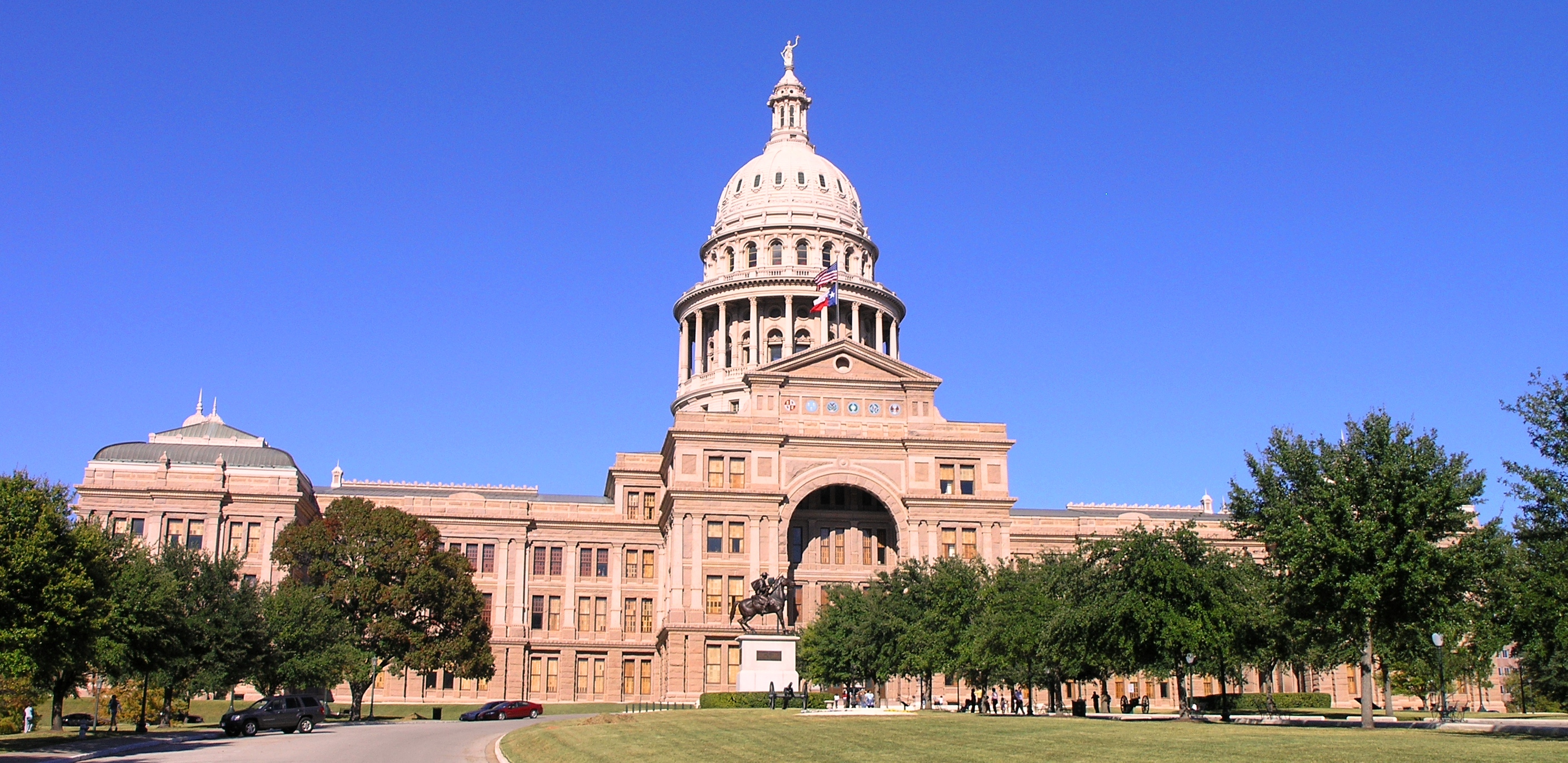
AUSTIN — Following Texas’s implementation of mandatory Bible curriculum requirements in public schools, the United Nations Educational, Scientific and Cultural Organization has convened an emergency task force to address what it describes as an “unprecedented crisis in literary autonomy.”
The Texas Education Board’s June 2026 directive requires all students in grades 3–12 to complete assigned readings from the King James Version, with particular emphasis on narrative passages. The policy has been characterized by state officials as a measure to “preserve cultural literacy and historical context.”
International response has been swift and procedurally complex. The Swedish Ministry of Education submitted a formal inquiry questioning the precedent. France’s cultural ministry released a statement expressing concern about “the weaponization of canonical texts as pedagogical mandate.” The UN’s Department of Educational Standards has requested clarification on whether the measure violates the Convention on the Rights of the Child, specifically provisions regarding freedom of thought and conscience.
Meanwhile, a coalition of 47 nations has requested observer status at the UNESCO review hearing scheduled for August. India’s delegation has raised questions about comparative religious literacy requirements. Canada’s representative has proposed a framework for distinguishing between historical study and devotional instruction.
Texas officials have responded by noting that the Bible is, technically, a book. They have offered to consider adding other “foundational texts” to the curriculum, pending approval from the state legislature. No timeline has been provided.
The UN has indicated that further escalation may result in recommendations rather than sanctions, pending the outcome of the ongoing review process.