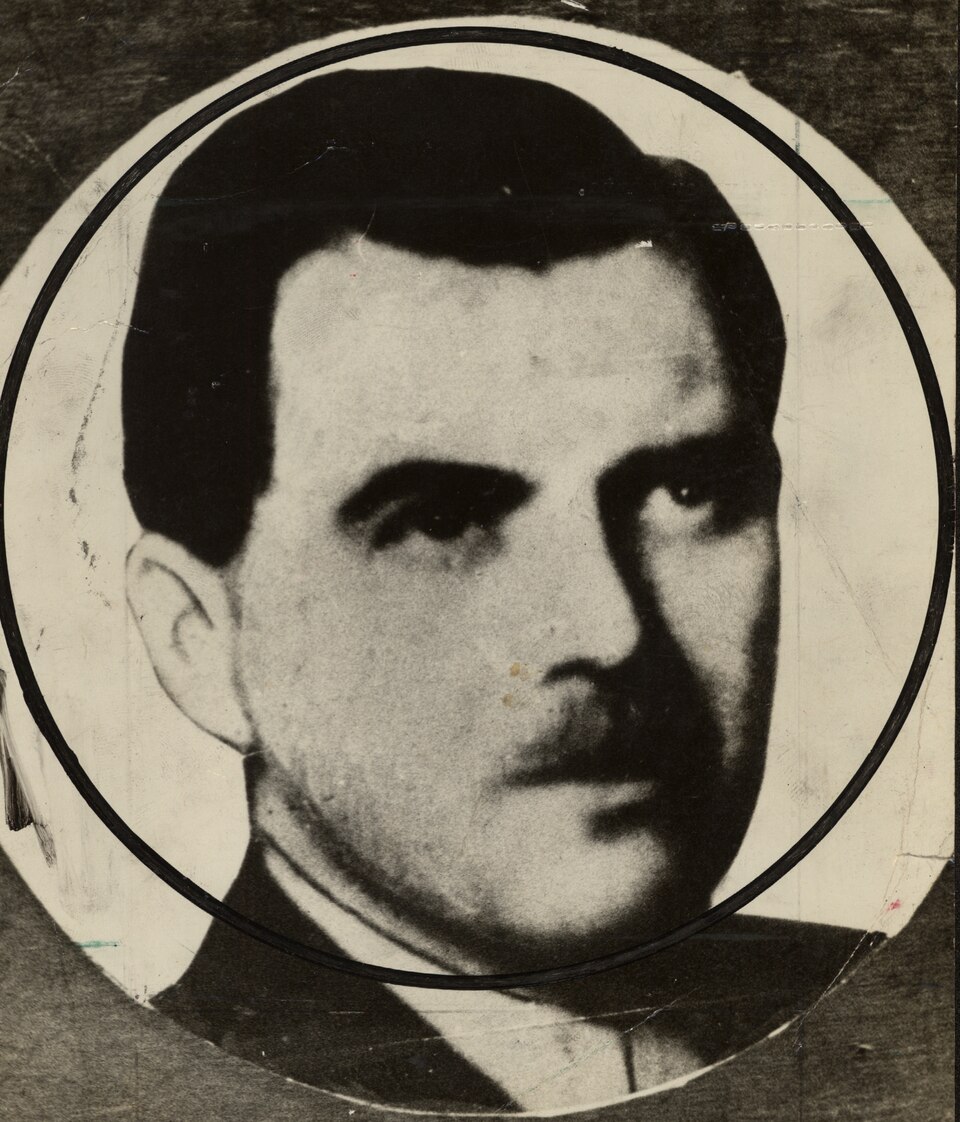
BERN — Following a comprehensive inter-ministerial review spanning eighteen months, the Swiss Federal Archives has determined that the release of classified documentation pertaining to Dr. Josef Mengele’s alleged presence within Swiss territory between 1945 and 1985 constitutes a matter of sufficient historical importance to warrant controlled disclosure.
The decision, formalized through Directive 2026-CH-447 and approved by the State Secretariat for Foreign Affairs, the Justice Department, and the Office of Institutional Memory, represents a carefully calibrated response to mounting international pressure regarding Switzerland’s historical neutrality protocols and their application to persons of particular investigative interest.
According to preliminary inventory assessments, the released files contain approximately 2,847 pages of administrative correspondence, hotel registration forms, railway ticket stubs, and inter-cantonal memoranda documenting what officials have classified as “tourism-related movements and associated accommodation arrangements.” The Swiss government wishes to clarify that these materials were maintained in accordance with standard archival practices and that their classification level reflected procedural convention rather than any deliberate concealment strategy.
The files reportedly include detailed records of Mengele’s stays at three separate Alpine resorts, comprehensive documentation of his dining preferences at Zurich establishments, and extensive notes regarding his apparent enthusiasm for Swiss chocolate and watchmaking. One memo, dated March 1962, notes that the subject “maintained a respectable demeanor during his tenure as a guest and did not violate any local ordinances.” A subsequent addendum from 1968 observes that his behavior had “remained consistent with that of a standard resident alien.”
The revelation has triggered what diplomatic observers are characterizing as a “moderate international incident,” with seventeen nations filing formal inquiries regarding Switzerland’s classification protocols for individuals with documented histories of institutional misconduct. The United States State Department issued a statement expressing “concerned interest” in understanding the decision-making framework. Germany’s Foreign Ministry has requested clarification on whether comparable files exist for other historical figures whose postwar movements remain undocumented.
Swiss officials have emphasized that the decision to release these materials should not be interpreted as an admission of impropriety. Rather, they contend, it reflects a commitment to transparency within the bounds of institutional discretion. A spokesperson for the Federal Archives noted that “the maintenance of records does not constitute endorsement of the activities documented therein, nor does their classification suggest knowledge of circumstances that would have triggered mandatory reporting protocols under the standards of the period.”
The timing of the release has prompted some speculation regarding Switzerland’s broader approach to historical accountability. The nation has long maintained a position of careful neutrality regarding postwar investigations into former Axis personnel, citing both sovereignty concerns and the complexity of retroactively applying contemporary standards to administrative decisions made under significantly different legal frameworks.
Internal government communications obtained through separate freedom-of-information requests suggest that the decision to release the files was precipitated by a combination of factors: the recent declassification of related materials by Argentine authorities, the expiration of certain privacy protection statutes, and what one memo describes as “the cumulative reputational cost of continued withholding in an environment of heightened historical consciousness.”
The Swiss Justice Ministry has established a dedicated task force to manage public inquiries and coordinate with international bodies regarding the broader implications of the disclosure. Officials have indicated that additional materials may be released in phases, pending legal review and consultation with relevant stakeholders. A second tranche of documents is scheduled for evaluation in Q3 2026.
Historians and archivists have expressed cautious interest in the released materials, though many have noted the significant gaps in the documentation. One researcher from the University of Geneva observed that the files raise as many questions as they answer, particularly regarding the mechanisms by which an individual of Mengele’s historical profile maintained such an apparently unremarkable administrative status throughout his tenure in the country.
The Swiss government has committed to establishing a commission to examine the archival practices and decision-making processes that governed the classification and retention of these materials. The commission is expected to issue preliminary findings by early 2027, with a final report scheduled for late 2027.
Officials have stressed that this process should be understood as part of Switzerland’s broader commitment to institutional transparency and historical accountability, and not as a response to external pressure or criticism. The release of the Mengele files, they maintain, represents a measured and procedurally sound approach to managing sensitive historical documentation in accordance with contemporary standards of archival practice.