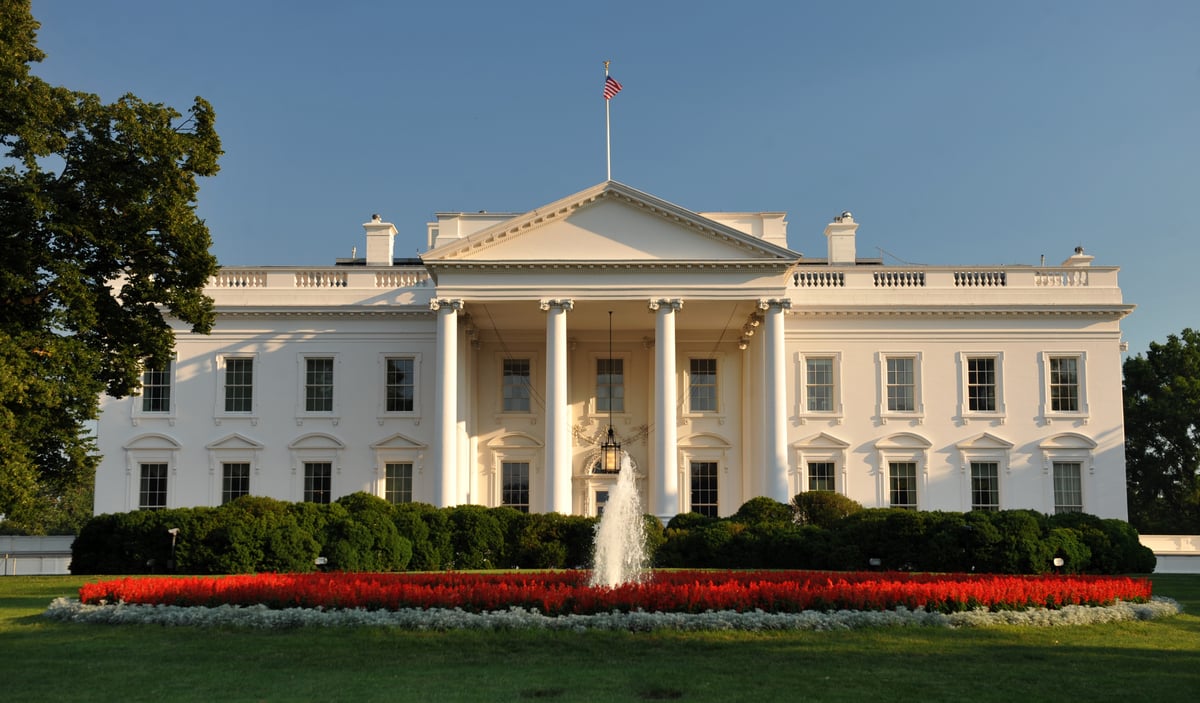
WASHINGTON — In a 6-3 decision that legal scholars are characterizing as the definitive moment when institutional guardrails failed, the Supreme Court has ruled that ongoing construction of a marble-and-gilt ballroom at the White House may proceed without further regulatory obstruction.
Chief Justice John Roberts, writing in dissent, noted that “construction is likely unlawful” — a formulation that observers describe as the judicial equivalent of a security guard watching a perimeter fence collapse and documenting the incident for the record.
The majority opinion, authored by Justice Samuel Alito, established that aesthetic preferences in residential real estate improvements constitute a category of executive discretion not subject to ordinary administrative review. The decision creates what constitutional law professors are now calling “the ballroom doctrine,” a framework under which decisions about interior design, gilt application, and chandelier specifications operate outside conventional oversight mechanisms.
Former government ethics officials have suggested this ruling effectively terminates the separation of powers as a functional concept. One unnamed source from the Office of Government Ethics described the decision as “the moment we all understood that procedure was no longer a meaningful constraint on anything.”
The ballroom in question measures approximately 2,000 square feet and features hand-applied gold leaf, a feature that the dissent characterized as “both visually excessive and jurisdictionally troubling.” Roberts noted that construction permits, environmental reviews, and historical preservation standards had been “substantially circumvented” through the majority’s reasoning.
Democracy experts report that the ruling has been widely interpreted as confirmation that institutional norms operate only when convenient, and that the written Constitution now functions primarily as decorative text. The ballroom is expected to be completed by December 2026.