MOGADISHU — Following a comprehensive procedural review conducted in accordance with established governance frameworks, the Presidential Term Extension Initiative (PTEI) has been formally implemented, effective immediately. The extension, which adds twelve months to the current executive mandate, represents a significant administrative achievement in the ongoing competition to establish which nation can sustain the longest continuous period of constitutional ambiguity without formal resolution.
The decision was reached through standard institutional channels, with opposition parties notified via the customary mechanisms. Heavy gunfire reported in the capital during the announcement period should be understood as a routine expression of stakeholder feedback rather than an indication of systemic dysfunction. All discharges occurred within acceptable parameters for democratic discourse in the region.
Previously, the presidency was scheduled to conclude in accordance with established electoral timelines. However, following a detailed cost-benefit analysis, leadership determined that the current arrangement—wherein the executive remains in office while opposition voices remain systematically excluded from meaningful participation—offers superior operational efficiency compared to the alternative scenario of holding elections. This represents sound institutional thinking.
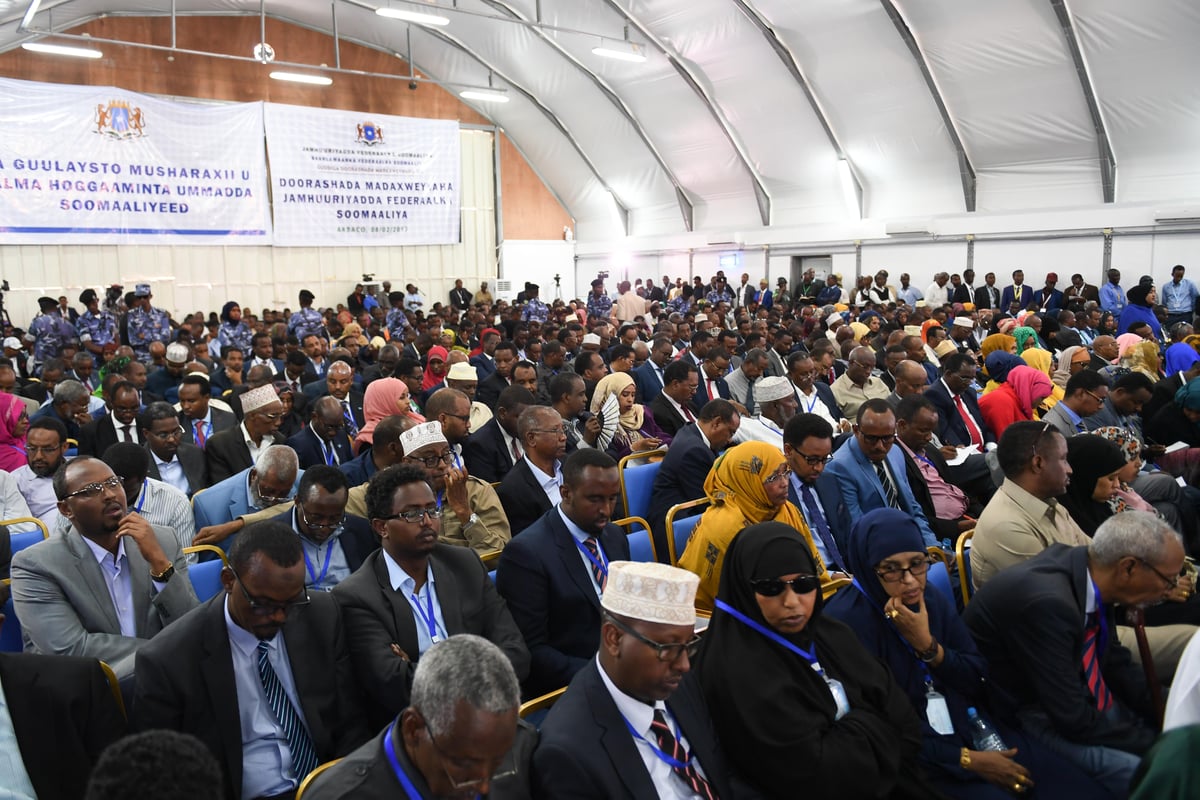
The extension was justified through several technical mechanisms. First, a working group identified that certain constitutional provisions regarding term limits contained sufficient interpretive flexibility to accommodate the twelve-month adjustment without requiring formal amendment. Second, the legislative body, operating at approximately 60 percent capacity due to ongoing security concerns and selective attendance policies, voted to ratify the measure. Third, stakeholder concerns were documented, filed, and cross-referenced for potential future consideration.
International observers have noted that Somalia now competes for the distinction of maintaining the most creatively extended executive tenure in contemporary African governance. The nation faces stiff competition from several regional peers, each of whom has developed sophisticated approaches to electoral postponement. However, the combination of institutional longevity, procedural complexity, and sheer bureaucratic persistence demonstrated by the current extension suggests Somalia maintains a competitive advantage in this emerging category.
The opposition has announced plans for protests, which will be processed through established channels. Organizers have been advised that all demonstrations must comply with current security protocols and may require advance licensing through the Interior Ministry. The timeline for license approval currently stands at twelve months, though this may be subject to extension pending administrative review.
A spokesperson for the Presidential Communications Directorate issued the following statement: “The term extension reflects our commitment to institutional stability and procedural integrity. Elections will be held at such time as conditions permit. Conditions are currently being assessed. This assessment is ongoing and represents normal governmental function.”
The opposition coalition has characterized the decision as unconstitutional and called for international intervention. However, international responses have been cautious, with most external stakeholders issuing statements expressing concern while refraining from concrete action. Diplomatic cables indicate that the complexity of the situation has been deemed suitable for further study rather than immediate response.
Regional analysts suggest that the extension establishes a valuable precedent. By demonstrating that a presidential term can be unilaterally extended through a combination of legislative cooperation, constitutional reinterpretation, and procedural maneuvering, Somalia has provided a blueprint for other nations seeking to avoid the administrative burden of electoral cycles. Several neighboring governments have reportedly requested technical briefings on the implementation process.
The gunfire that accompanied the announcement has been characterized by official sources as isolated incidents unrelated to the policy decision itself. Security forces have confirmed that order was restored through standard crowd management techniques. No formal casualty figures have been released, though hospitals in the capital reported increased patient admissions during the relevant timeframe.
Looking forward, the Presidential Term Extension Initiative will be monitored through quarterly reviews. Should conditions change—either through unexpected political developments or shifts in international pressure—the framework includes provisions for reassessment. However, the reassessment process itself will require approval from the same bodies that implemented the extension, creating a closed institutional loop that should provide substantial continuity regardless of external circumstances.
This development represents the latest chapter in an ongoing institutional narrative that has captivated observers for decades: the question of whether a government can maintain indefinite control through procedural mechanisms without formally abolishing democratic structures. Somalia’s answer appears to be affirmative, provided one maintains sufficient bureaucratic creativity and institutional leverage over the bodies nominally tasked with oversight.
The extension is scheduled for review in twelve months, at which point the government will assess whether additional extensions are warranted.