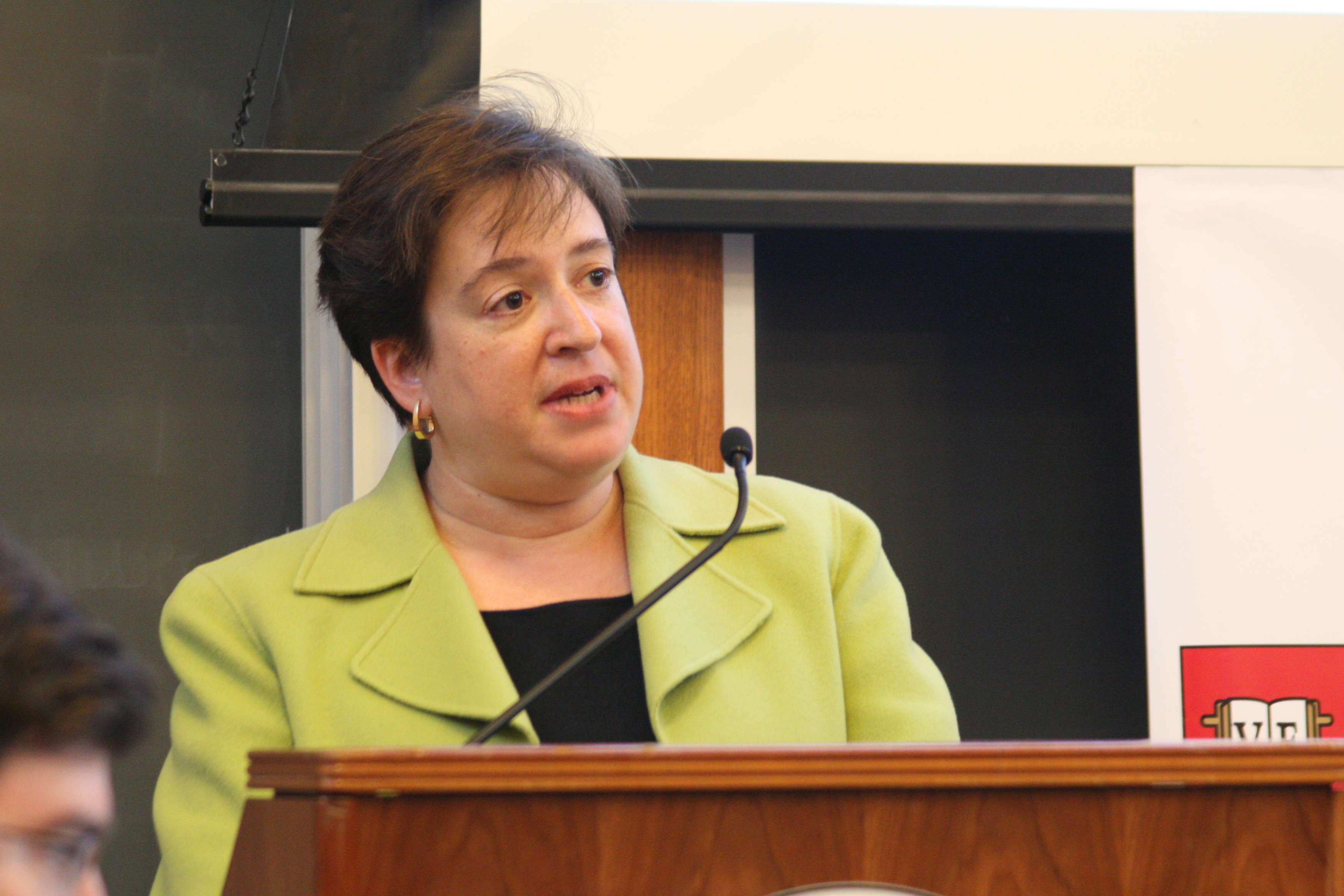
WASHINGTON, D.C. — Following a 6-3 decision on June 28, 2026, the Supreme Court has affirmed the constitutional protection of birthright citizenship, effectively invalidating the Trump Administration’s proposed Citizenship Reclassification Initiative (CRI). The ruling has triggered unexpected consequences across multiple dimensions of spacetime.
According to preliminary reports from the Department of Theoretical Governance, the decision has destabilized what officials describe as “the foundational architecture upon which the former president constructed his temporal-political framework.” The Court’s majority opinion, authored by Justice Elena Kagan, referenced the Fourteenth Amendment’s citizenship clause with such force that nearby seismographs registered tremors in the Earth’s crust.
The Trump campaign’s response indicated that the ruling represents “a fundamental misalignment with cosmic immigration principles,” though clarification on what those principles entail remains pending. Sources within the Office of Strategic Reality Management suggest that the decision may have inadvertently strengthened the gravitational field around constitutional protections, making future erosion attempts exponentially more difficult.
Civil rights organizations have characterized the outcome as a “stabilization event,” though they acknowledge that the Supreme Court’s intervention has created a localized distortion in the political space-time continuum. The long-term effects on the administration’s remaining policy objectives remain uncertain. The Department of Justice has requested a formal recount of reality.
No further statement is anticipated at this time.