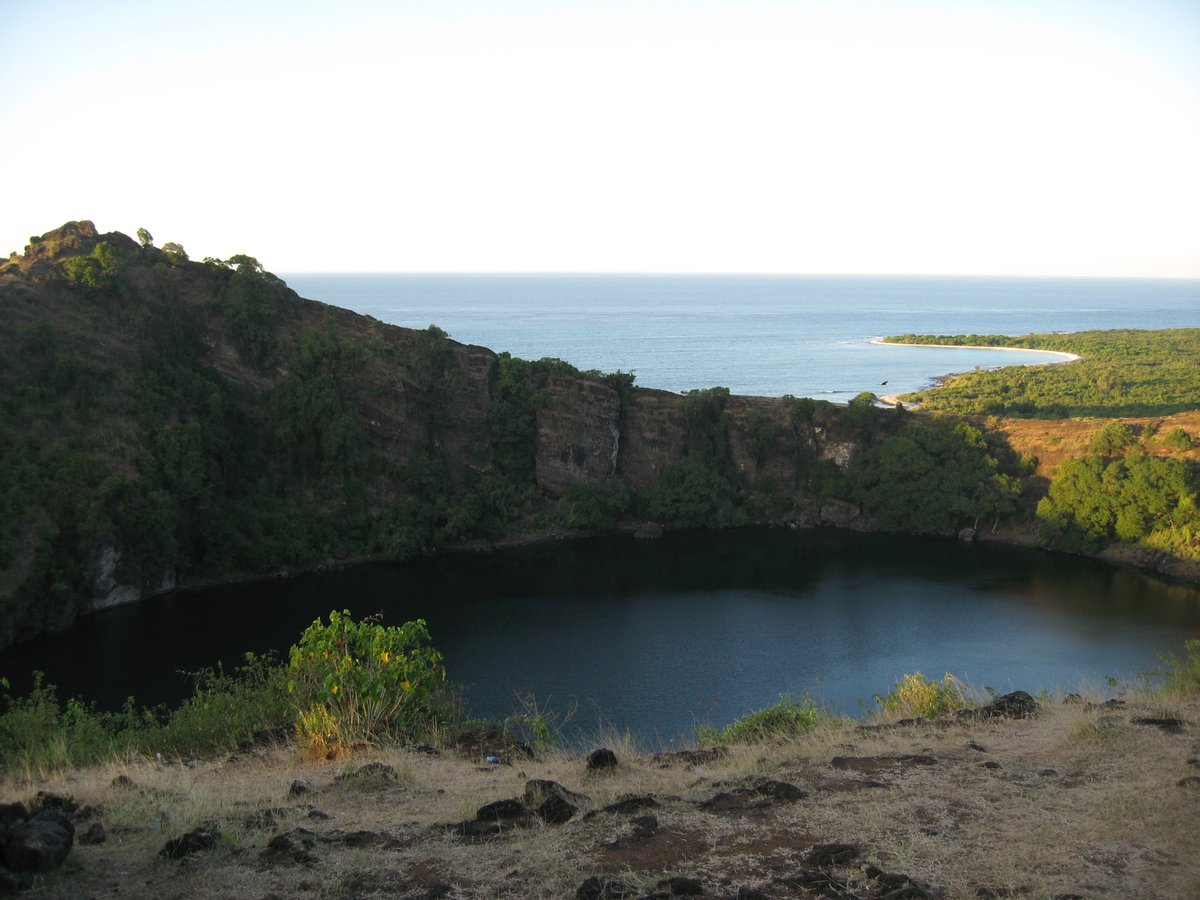
INCIDENT SUMMARY — VOLCANIC CRATER FATALITY EVENT
On June 14, 2026, Al-Qaqa Ibn Antar, a 24-year-old content creator and crater enthusiast, sustained fatal injuries while attempting an unprotected ascent of Yemen’s Erta Ale volcanic crater. The incident has prompted a broader institutional assessment of society’s relationship with preventable risk.
Mr. Ibn Antar had accumulated a substantial social media following through documented crater-climbing activities, each performed without safety harnesses, helmets, or emergency protocols. Local authorities confirm he fell approximately 60 meters into an active lava lake. Recovery operations are ongoing.
The tragedy invites uncomfortable questions about collective responsibility. Mr. Ibn Antar did not fall because he lacked information about gravity or thermodynamics. He fell because millions of people had monetized his willingness to disregard both. Algorithm optimization, engagement metrics, and sponsorship agreements created a systematic incentive structure that transformed self-harm into entertainment product.
This is not a story about one man’s poor judgment. It is a story about an ecosystem that has successfully convinced young people that the path to relevance runs through a volcanic crater, preferably without equipment, preferably on camera. The institutions that benefited from his content—platforms, advertisers, followers—remain unaffected. The crater remains active. The algorithm continues optimizing.
Mr. Ibn Antar’s death was entirely predictable. That we remain shocked by it is the actual disaster.