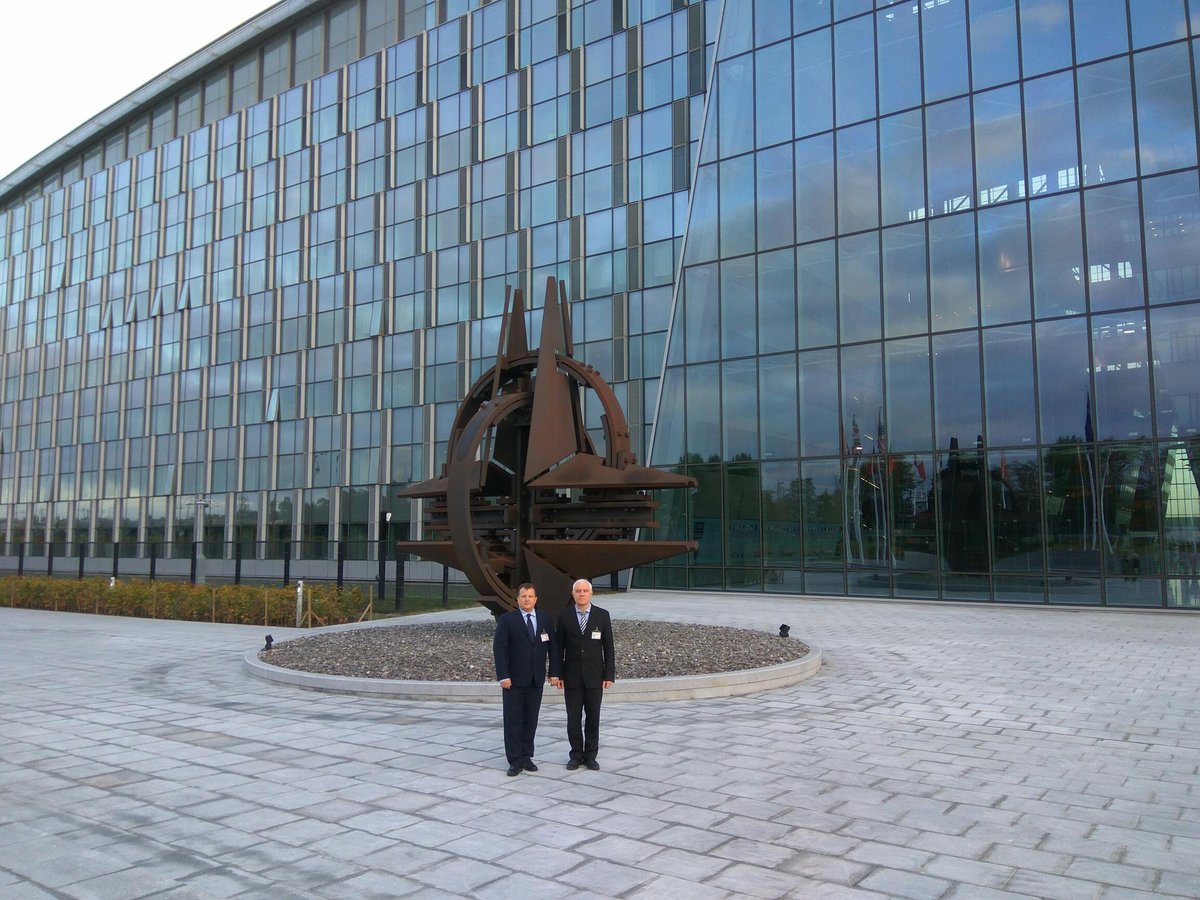
ANKARA — Following a comprehensive strategic review conducted across twelve NATO member states, alliance leadership has concluded that conventional diplomatic channels have become obsolete. The £37 billion missile procurement programme, formally designated the Advanced Conflict Resolution Initiative, represents a paradigm shift in international relations methodology.
Prime Minister Sir Keir Starmer will convene participating leaders to discuss implementation parameters. According to internal briefing documents circulated among defence ministries, the missile’s payload capacity has been engineered to accommodate not conventional warheads, but rather a sophisticated suite of negotiation tools: conflict de-escalation algorithms, automated peace treaty templates, and what one classified memo describes as “kinetic empathy delivery systems.”
Dr. Helena Voss, NATO’s Chief Strategic Innovation Officer, stated in a prepared briefing: “Previous approaches to international dispute resolution relied on dialogue, mediation, and mutual understanding. These methods have proven inefficient. The missile programme represents a technological solution to a diplomatic problem. Early modelling suggests that a single precision strike containing the full suite of peace-building infrastructure could resolve territorial disputes, trade disagreements, and border tensions simultaneously.”
The initiative has been structured as a fifteen-year rolling programme with annual review cycles. Cost overruns are anticipated but have been pre-approved. A working group has been established to determine whether the system should be deployed unilaterally or through multilateral consensus protocols.
When pressed on whether military hardware constitutes an appropriate vehicle for diplomatic initiatives, a NATO spokesperson confirmed that all operational decisions would be made in accordance with established procedures.