INTER-AGENCY COORDINATION MEMORANDUM RE: Screwworm Containment Strategy — Biological Counter-Measure Implementation DATE: June 5, 2026 CLASSIFICATION: For Official Use Only
Following the detection of Cochliomyia hominivorax in the southern United States for the first time since 1966, federal agencies have determined that a multi-vector biological response represents the optimal path forward in addressing this emerging threat to livestock and human health infrastructure.
The Department of Agriculture, in coordination with the CDC and relevant state health authorities, has approved a comprehensive intervention strategy that leverages two distinct biological agents: the sterile screwworm fly and domesticated canines trained to detect larval infestation in wound sites.
It should be noted that this approach was not selected because conventional disease management protocols failed, nor because the outbreak itself represents a systemic failure of agricultural oversight that permitted a parasitic insect eliminated from North America six decades ago to re-establish itself without immediate detection. Rather, it was selected because it represents a solution that can be implemented, funded, and communicated to stakeholders within existing bureaucratic frameworks.
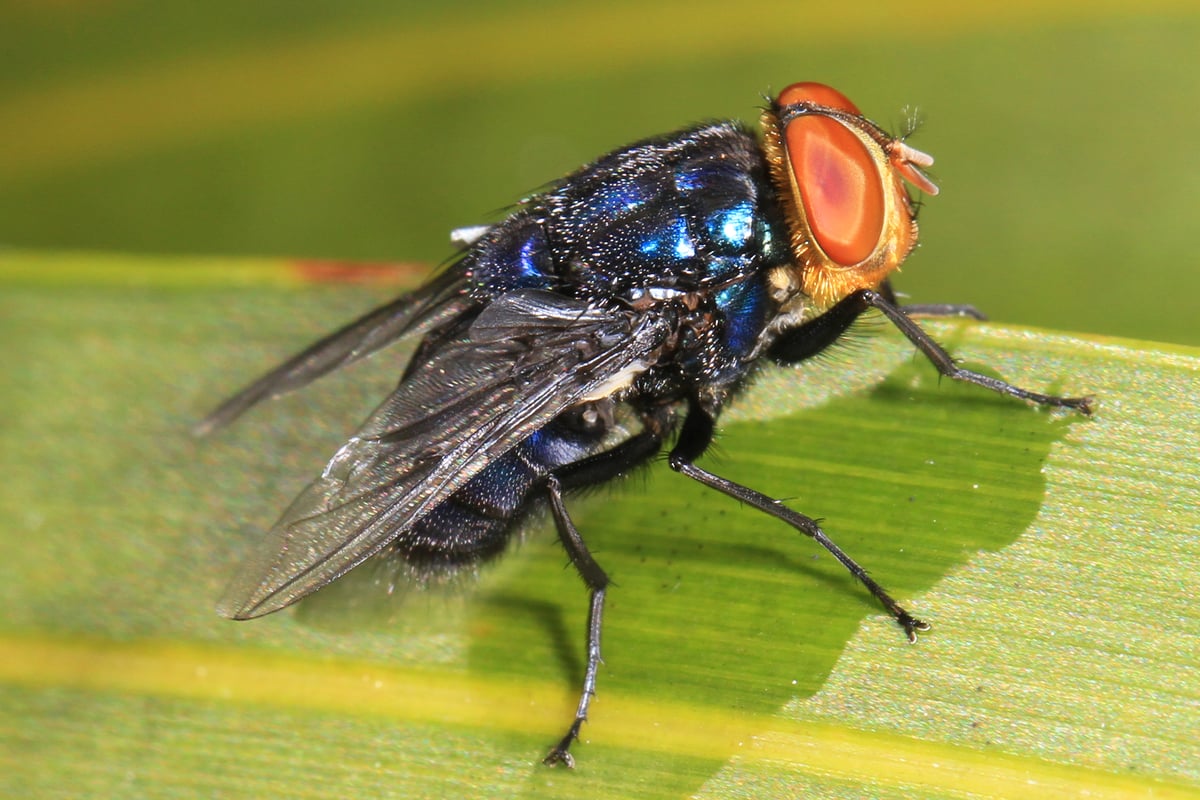
The sterile fly component operates on a principle of reproductive interference. Sterile male Cochliomyia hominivorax specimens will be released across affected regions at a scale and frequency to be determined by ongoing modeling exercises. When these insects mate with wild females, no viable offspring result. This mechanism has been employed successfully in other jurisdictions and requires no admission that the insect should not have been present in the first place.
The canine detection initiative represents an innovative application of established animal-handler protocols. Dogs, possessed of olfactory capabilities superior to human sensory apparatus, will be trained to identify the characteristic odor profile of screwworm larval colonies within animal wounds. This allows for earlier intervention in individual cases and provides employment opportunities for handlers, trainers, and associated support personnel. The program is budgeted at a level commensurate with other established K-9 initiatives and will not be subject to review based on the question of why this outbreak occurred in the first instance.
Key operational considerations are as follows:
The sterile fly release program will commence in Q3 2026, pending completion of environmental impact assessments. The precise geographic scope remains under review. Stakeholder notification will occur through existing agricultural extension channels.
The canine detection program will begin with a pilot phase involving 47 animals across four states. Handler training is scheduled for July and August. Performance metrics have been established to measure detection accuracy, false-positive rates, and cost per confirmed infestation identified.
Interagency coordination will be managed through a newly established Screwworm Response Task Force, which will convene biweekly to review progress against established milestones. Minutes will be filed in accordance with standard record-retention protocols.
It bears noting that the screwworm’s reappearance in North America represents neither a failure of surveillance systems nor a consequence of changing climate conditions altering the geographic range of tropical parasites. Rather, it represents an unforeseen epidemiological development for which responsive management strategies are now being deployed.
The use of sterile insects and trained animals to combat an infestation that should not exist reflects the adaptive capacity of federal agencies to implement creative solutions to problems that, in a well-ordered system, would not present themselves at all.
Communications regarding this initiative should emphasize the innovative nature of the response, the commitment of federal resources, and the coordination across multiple agencies. Inquiries regarding the timeline for the insect’s initial detection, the period during which its presence went unconfirmed, or the factors that permitted its establishment should be directed to the Public Affairs Division for appropriate messaging guidance.
The situation remains under active management. Updates will be provided as the program proceeds through implementation phases.
Respectfully submitted, Interagency Coordination Division Department of Agriculture