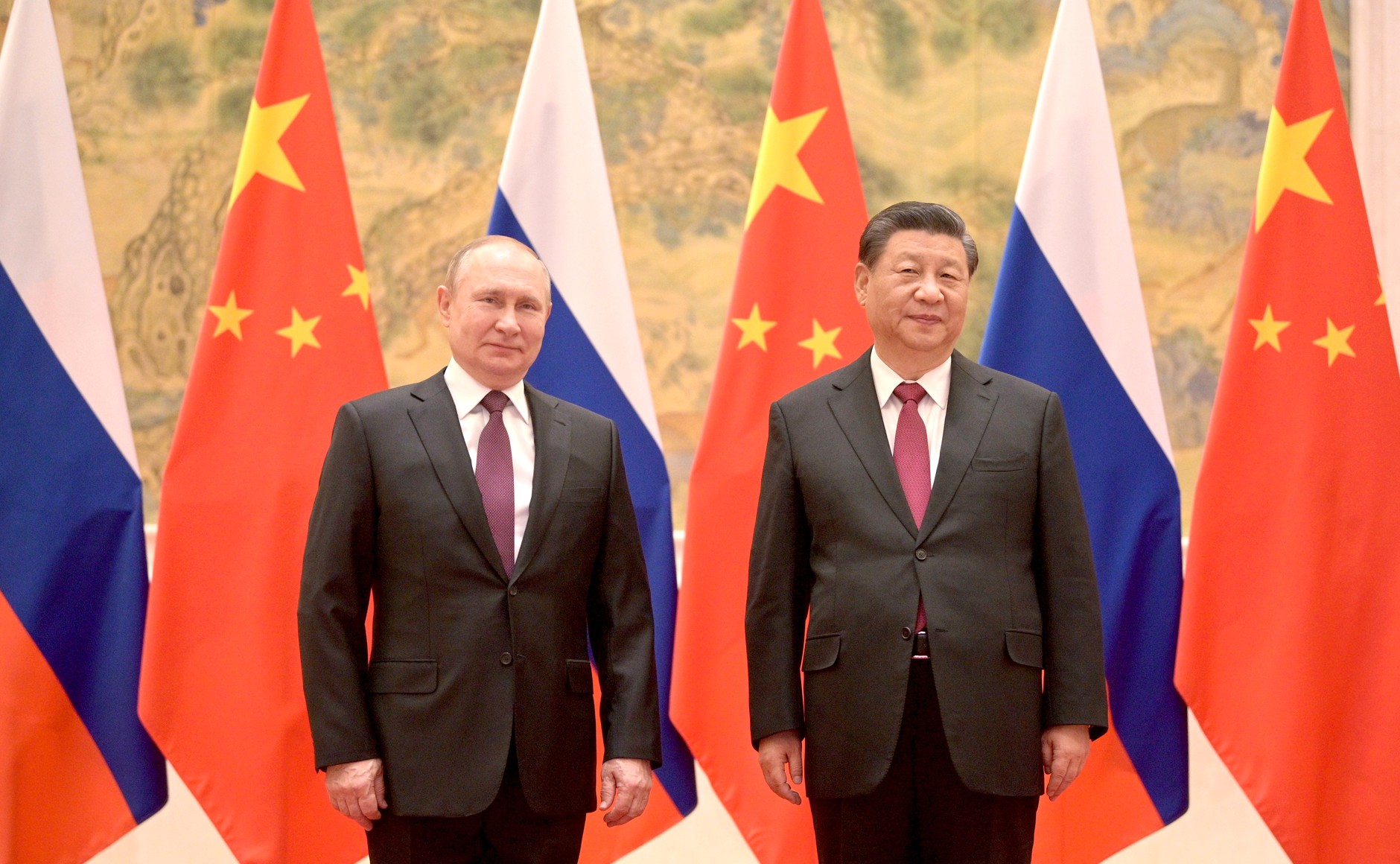
GENEVA — Following the release of a comprehensive Pew Research Center survey indicating that global confidence in Chinese leadership has exceeded that of American leadership for the first time in two decades, the United Nations Security Council has called an emergency session to address what officials are describing as “a structural realignment of international trust metrics.”
The survey, conducted across 34 nations between March and June 2026, reveals that 52 percent of respondents express confidence in Xi Jinping’s handling of world affairs, compared to 34 percent for Donald Trump. In response, the State Department has issued a 47-page technical assessment categorizing the findings as “a data interpretation requiring further contextual analysis.”
World leaders have begun scheduling bilateral meetings to discuss contingency protocols. Japan’s Foreign Ministry released a statement noting that “while survey responses are merely aggregated sentiment indicators, we are treating them as equivalent to military intelligence.” France has convened its cabinet to debate whether confidence metrics should now be factored into NATO strategic planning.
The White House has declined to comment on the survey itself, instead releasing a position paper on polling methodology that runs to 89 pages. Meanwhile, Beijing has issued a brief statement thanking respondents for their “rational assessment of comparative governance frameworks.”
Analysts note that the survey captures a moment of genuine uncertainty about institutional credibility. Whether this represents a permanent shift or a temporary fluctuation in what amounts to a global popularity contest remains unclear. What is certain is that world capitals are now treating opinion polling as though it were a binding treaty, and diplomats are scrambling to adjust their briefing books accordingly.