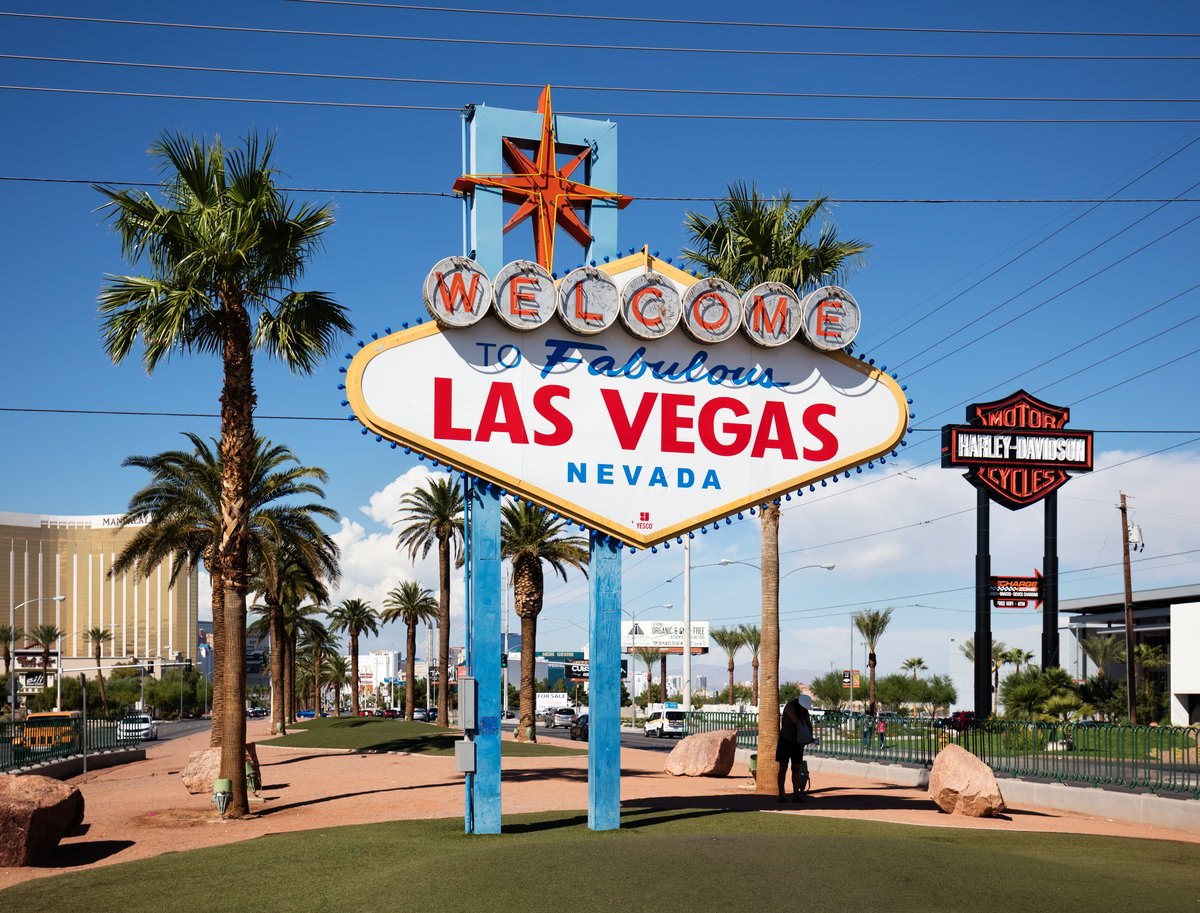
PRESS RELEASE — ENHANCED GAMES INAUGURAL EVENT
Date: May 25, 2026 Location: Las Vegas, Nevada Organizing Body: Enhanced Games LLC
The inaugural Enhanced Games commence this weekend in Las Vegas, marking a significant institutional pivot in competitive athletics governance. The event represents the culmination of eighteen months of regulatory framework development, stakeholder consultation, and strategic repositioning of performance enhancement from prohibited substance to celebrated competitive feature.
For decades, sports organisations have maintained elaborate compliance infrastructure designed to detect and penalise chemical augmentation of human performance. The Enhanced Games represent the first major-market abandonment of this approach. Rather than concealing enhancement, the event celebrates it. Athletes are encouraged to disclose their pharmacological protocols. Prize pools exceed those of traditional Olympic competition. Media coverage emphasises the scientific achievement underlying superhuman performance metrics.
The operational model is straightforward. Athletes compete in traditional sporting disciplines—track and field, weightlifting, swimming—under conditions where performance-enhancing substances are not merely tolerated but documented, monitored, and presented as part of the competitive spectacle. Medical teams oversee pharmaceutical protocols. Broadcasting rights have been acquired by major streaming platforms. Corporate sponsorship packages begin at seven figures.
From an institutional perspective, the Enhanced Games resolve a longstanding tension within competitive sports. Traditional athletics organisations have invested billions in anti-doping infrastructure while simultaneously operating within a market that rewards increasingly superhuman performance. The cognitive dissonance has been managed through selective enforcement, jurisdictional arbitrage, and the occasional high-profile sanction. The Enhanced Games eliminate this dissonance by simply redefining the category.
Athletes who have previously faced sanctions or suspicion now compete openly. Former track stars with documented testosterone histories. Swimmers with pharmaceutical enhancement records. Weightlifters who exhausted traditional advancement pathways. The Enhanced Games function as a secondary market for athletes whose enhancement profiles exceed what traditional sports governance can accommodate.
The financial structure is instructive. Prize purses for the inaugural event total $22 million across all disciplines. This exceeds Olympic payouts by a factor of four. Sponsorship commitments from supplement manufacturers, pharmaceutical interests, and technology companies total $180 million for the first three-year cycle. Television rights have generated $340 million from streaming platforms seeking differentiated content in an increasingly fragmented media landscape.
The athlete experience has been carefully positioned as liberation rather than transgression. Marketing materials emphasise scientific advancement, transparency, and the elimination of hypocrisy. Athletes are no longer forced to maintain the pretence that elite performance emerges from natural talent and conventional training. Instead, they are positioned as willing participants in an experiment in human enhancement, their bodies serving as platforms for scientific progress.
Regulatory status remains ambiguous. The Enhanced Games operate within Nevada’s jurisdiction, which has granted event licensing without explicitly endorsing or prohibiting the pharmaceutical protocols employed by competitors. Pharmaceutical substances remain federally controlled in most contexts, but the competitive environment has been classified as research-adjacent, allowing for pharmaceutical use under medical supervision without triggering standard enforcement mechanisms.
The implications for traditional sports governance are significant. Several athletes have already indicated intention to compete in both Enhanced Games events and traditional Olympic competition, creating potential conflicts in anti-doping frameworks. International sports bodies have issued statements emphasising that participation in Enhanced Games events does not automatically trigger sanctions in traditional competition, provided athletes comply with standard testing protocols in those contexts.
Cultural response has bifurcated predictably. Segments of the sports media have framed the Enhanced Games as a refreshing acknowledgement of reality—that elite athletics have always involved pharmaceutical enhancement, and that transparency represents progress. Other commentators have expressed concern regarding athlete safety, the normalisation of chemical augmentation, and the erosion of traditional sports governance structures.
From a business perspective, the Enhanced Games represent successful market identification and product development. A significant population of athletes and spectators exists for whom traditional sports governance has become aesthetically and financially unsatisfying. The Enhanced Games capture this market by inverting the value proposition: instead of penalising enhancement, they celebrate it. Instead of concealing pharmaceutical protocols, they feature them. Instead of modest prize pools, they offer substantial financial incentives.
The event also functions as a stress test for institutional boundaries. Traditional sports organisations have maintained legitimacy partly through enforcement of anti-doping standards. The Enhanced Games challenge this by demonstrating that spectators will consume competitive athletics even when enhancement protocols are explicit and celebrated. This raises questions about whether anti-doping frameworks represent genuine health protection or primarily serve as legitimacy markers for traditional sports institutions.
Weekend programming will include preliminary rounds in track and field events, with finals scheduled for Sunday evening. Live coverage begins at 8 PM Eastern Time across multiple platforms. Projected viewership exceeds 40 million concurrent streams, based on early ticket sales and demographic data from beta streaming tests.
The Enhanced Games inaugural event represents a significant institutional innovation in competitive athletics. Whether this model proves sustainable, scalable, or replicable across other sports remains subject to future evaluation. For now, Las Vegas hosts what may constitute the most honest sporting competition in modern history: one where the enhancement is not hidden, but highlighted; not forbidden, but featured; not shameful, but celebrated as the entire point.