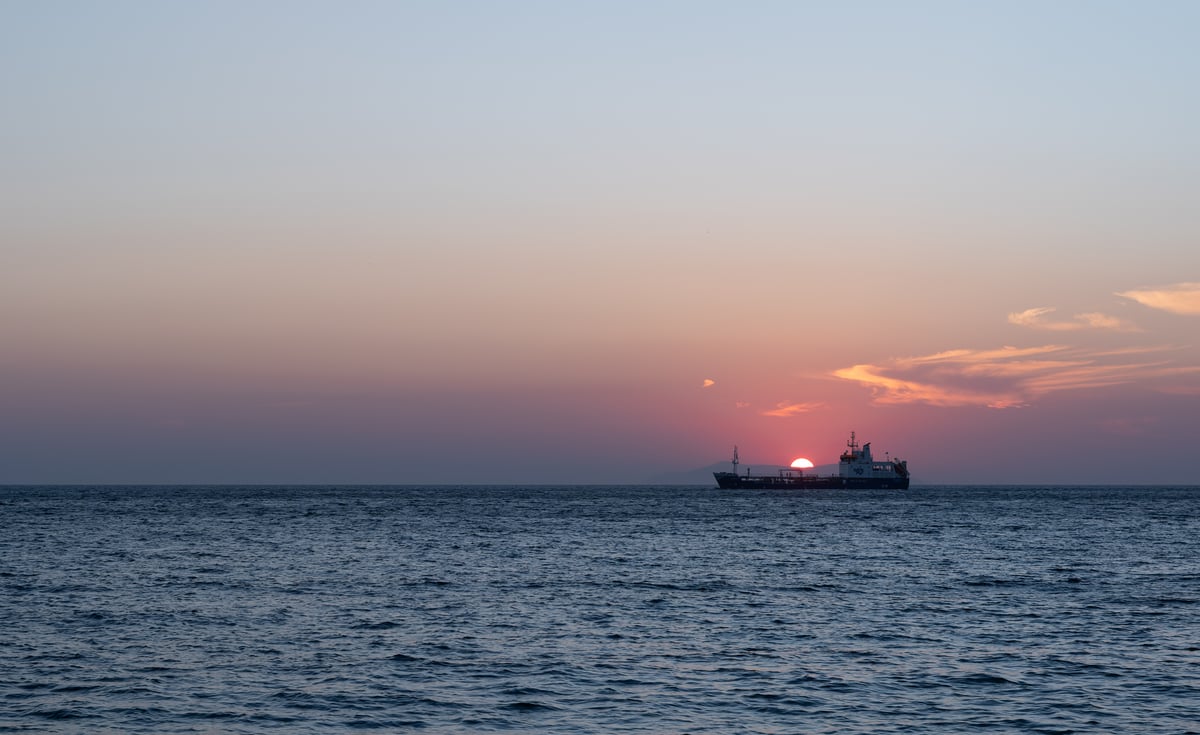
TEHRAN — Following what officials characterize as a temporary operational pause at the Strait of Hormuz, the Iranian Ministry of Maritime Commerce and Cultural Enhancement has announced an ambitious pivot toward experiential tourism infrastructure.
The closure, implemented in response to regional security concerns, will serve as a soft launch for Iran’s newly developed seaweed cultivation and observation initiative. According to a statement released by the ministry’s Tourism Diversification Task Force, diplomatic delegations attending talks in Switzerland this Sunday will receive complimentary access to guided kelp forest tours upon their return to the region.
The initiative represents what officials describe as a strategic rebranding effort. Rather than emphasizing the geopolitical dimensions of the strait’s accessibility, Iranian planners have chosen to foreground the area’s untapped potential as a marine ecotourism destination. Promotional materials highlight the strait’s “unique biodiversity challenges” and opportunities for delegates to witness “naturally occurring maritime traffic management systems in their native habitat.”
US military officials have disputed Iran’s characterization of the closure, noting that shipping activity patterns do not align with standard seaweed tourism infrastructure deployment timelines. The Pentagon declined to comment further pending the outcome of Sunday’s talks.
The ministry has indicated that tour packages will include educational components covering sustainable kelp harvesting, marine policy frameworks, and the historical significance of controlled waterway access in diplomatic negotiations. Advance bookings open July 1st.