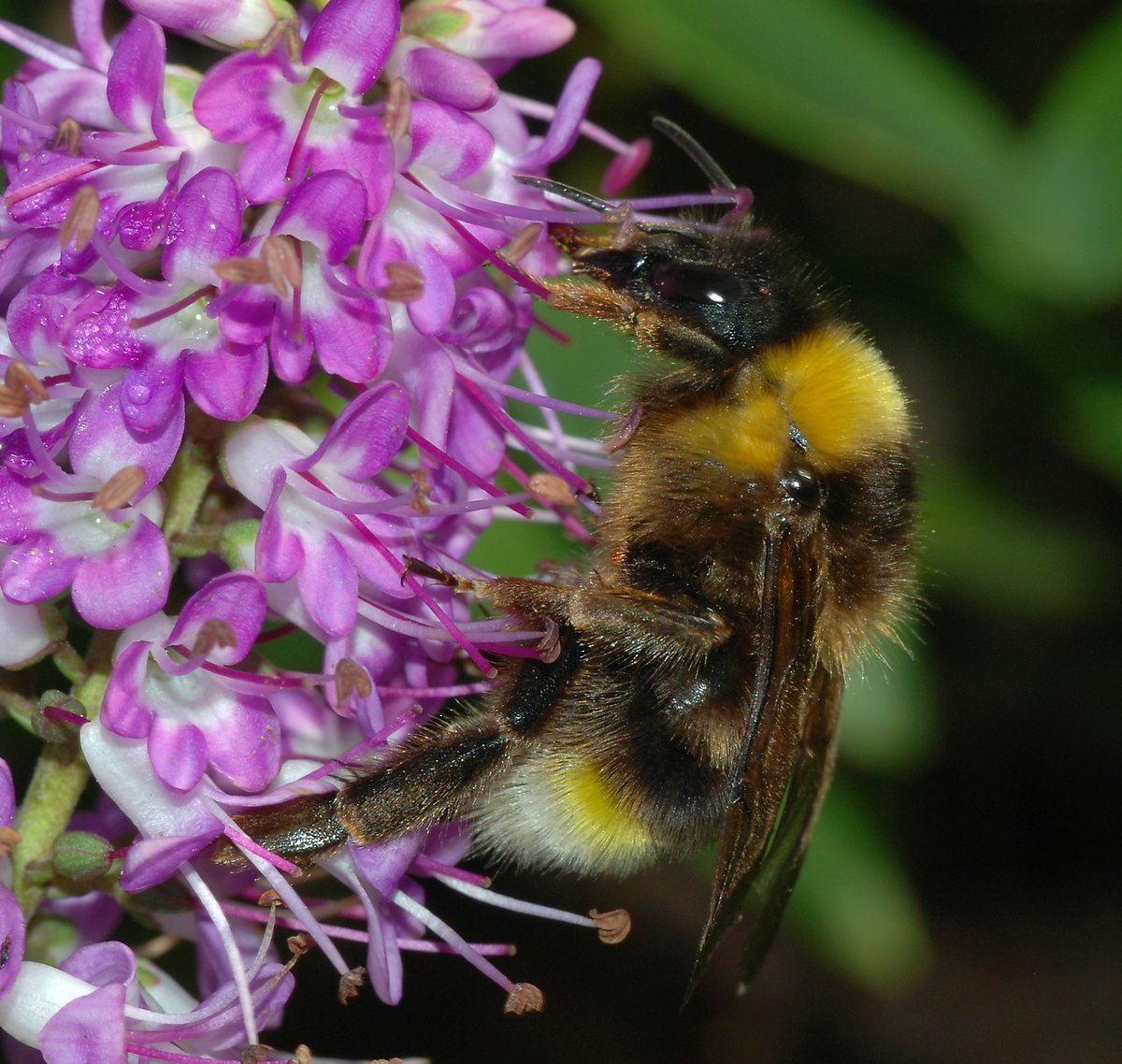
GENEVA — Following breakthrough research confirming that bumblebees exhibit emotion-like behaviours previously attributed only to mammals, the United Nations has fast-tracked the establishment of a dedicated Apian Affairs Division, effective immediately.
The discovery has prompted an emergency reconvening of the Security Council, where representatives from all permanent member states have begun preliminary discussions on the diplomatic implications of recognising bees as sentient stakeholders in global governance. Sources indicate that the Department of State has already commissioned a 47-page position paper on whether existing treaties require amendment to account for insect emotional states.
“We are witnessing a fundamental realignment of international relations,” according to an internal memo circulated to G7 capitals on July 8. “The emotional capacity of Bombus terrestris has rendered our current framework of bilateral negotiation incomplete. We must now consider that every trade agreement, arms accord, and climate treaty may require bee-level emotional validation before ratification.”
The implications are staggering. Diplomatic protocol committees are reviewing whether bees qualify for permanent UN representation, whether bee emotional distress constitutes a war crime, and whether apiary destruction could trigger humanitarian intervention clauses. One senior official noted that “the bee emotional response to climate change may now constitute legally binding testimony in climate litigation.”
The International Court of Justice has announced it will not comment on whether bees can file amicus briefs, pending further legal clarification. Meanwhile, the first Apian Ambassador has already been nominated by the Swiss delegation. Negotiations on hive immunity are expected to commence next month.