MEMORANDUM FOR RECORD — Strategic Communications Division Date: July 21, 2026 Re: Escalation Framework and Symbolic Retaliation Protocol
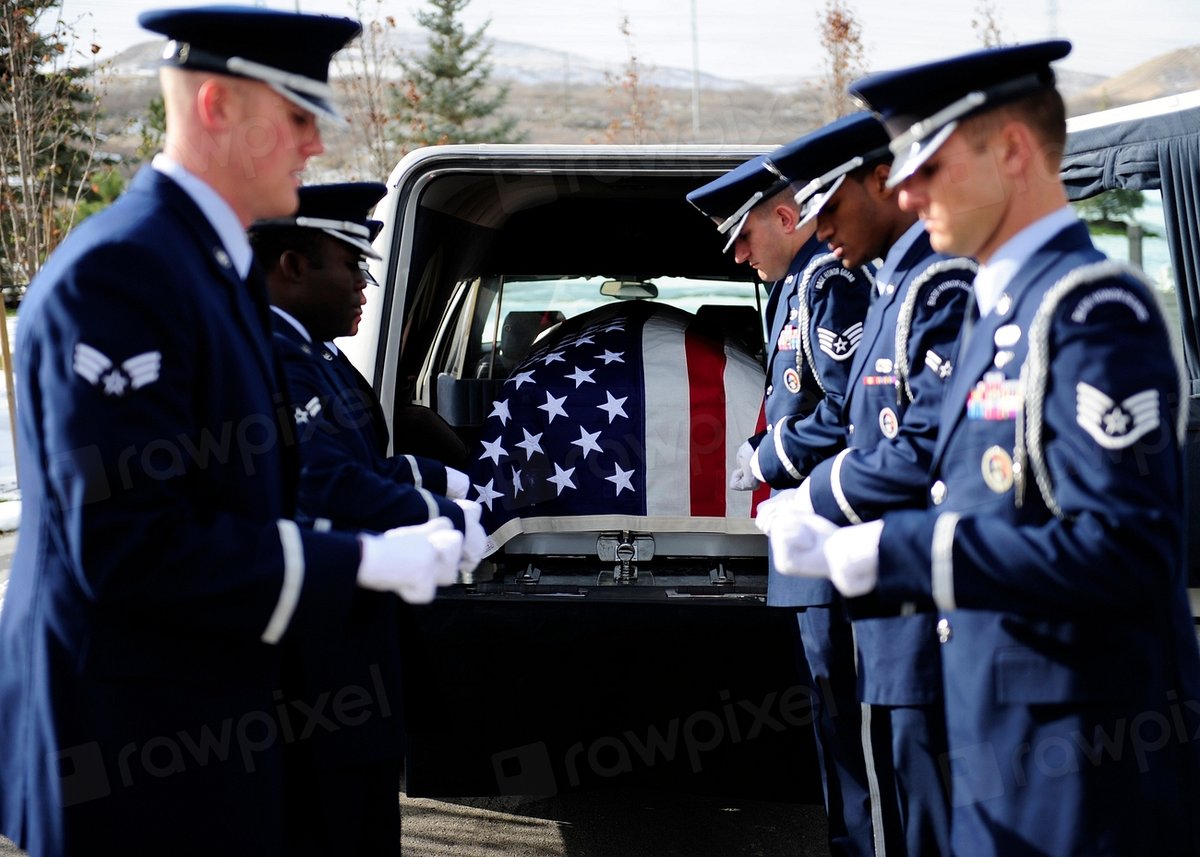
Following the deaths of American military personnel, the United States has initiated a series of strikes against Iranian targets. These operations have been formally designated as conducted ‘in honour’ of the fallen, establishing a new precedent in military affairs: the transformation of grief into geopolitical doctrine.
Iran has responded with attacks in Syria and Jordan, and two commercial vessels have been destroyed in the Strait of Hormuz. The waterway, through which approximately 20 percent of global oil passes, has become the primary arena for what analysts describe as a ‘tug-of-war’ between the two nations. This characterization is accurate. Both parties are now engaged in a competition to demonstrate superior commitment to their respective honor codes, with global energy markets serving as collateral terrain.
The ceasefire agreement that previously governed this relationship has been classified as ‘faltering.’ Negotiations to restore it have been suspended pending completion of the current honor-satisfaction cycle, which has no defined endpoint. Each side awaits a symbolic gesture from the other indicating sufficient retaliation has occurred, though no formal communication establishing these thresholds has been transmitted.
The Strait of Hormuz remains operational, though vessel insurance premiums have increased substantially. Commercial shipping continues, albeit with modified routing protocols. Economic impact assessments are ongoing.
This situation represents the first instance in modern history where the primary driver of escalation is not territorial acquisition, resource competition, or ideological conflict, but rather mutual agreement that honor demands continued strikes. The mechanism is self-sustaining.