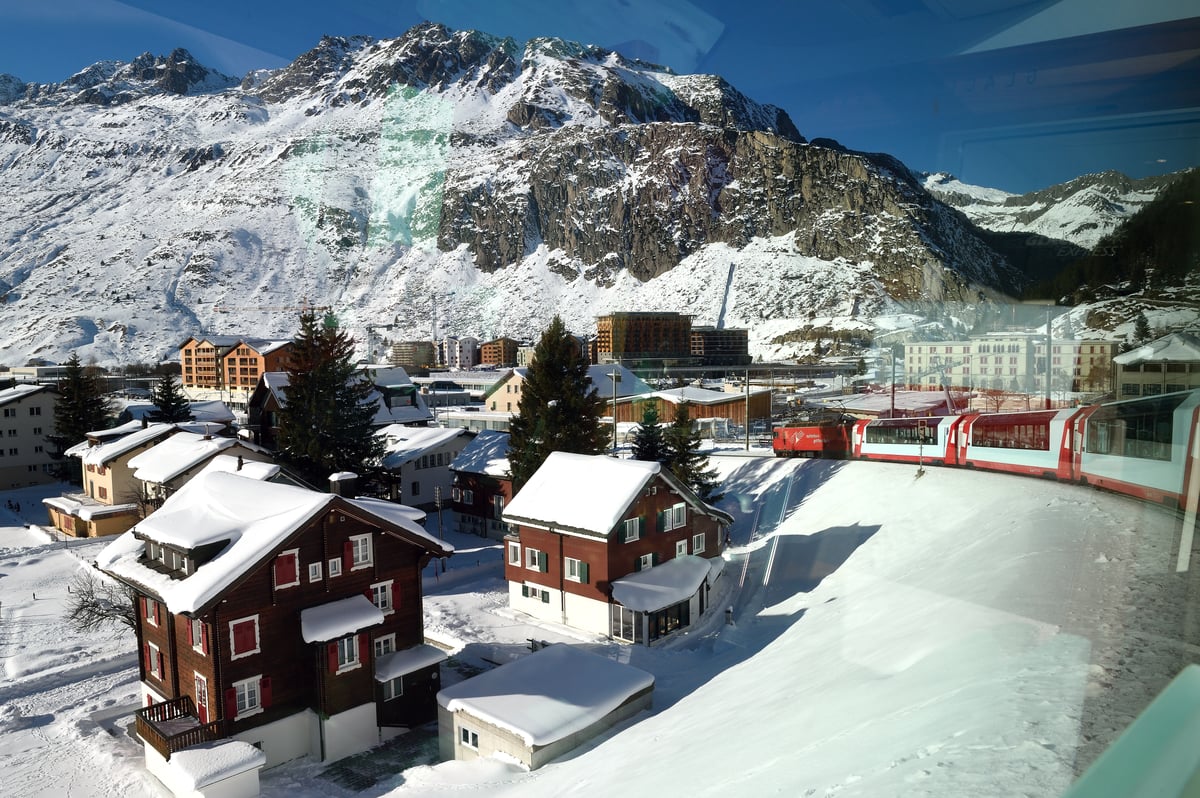
GENEVA — Following an emergency session of the United Nations Climate Redistribution Committee, delegates from 187 nations have begun formal negotiations to establish governance frameworks for Switzerland’s rapidly diminishing glacial reserves. The meeting was convened after preliminary surveys indicated that Alpine ice sheets, previously categorized as “permanent geological features,” are now being reclassified as “transitional recreational assets with finite availability.”
The crisis emerged unexpectedly when climate economists realized that melting glaciers do not simply disappear—they transform into premium tourism destinations. Early-stage demographic modeling suggests that as traditional ski resorts become operationally unfeasible, the remaining patches of accessible ice will attract unprecedented migration flows from hotter regions. Preliminary estimates place demand at 2.3 billion potential visitors by 2030.
Switzerland’s government has proposed a lottery system, though this has been rejected by the African Union, which argues that historical carbon emissions entitle developing nations to preferential glacier access. The United States has submitted a counter-proposal involving cryptocurrency-based allocation mechanisms. Australia has formally requested that one glacier be reserved exclusively for residents of countries experiencing temperatures above 45 degrees Celsius.
The International Monetary Fund is currently modeling the fiscal implications of glacier-based tourism revenue as a replacement for collapsing agricultural sectors across the Mediterranean. Switzerland has indicated it is open to leasing glacier access on a seasonal basis, pending approval from its banking sector.
The committee has scheduled a follow-up session for November to address questions of sovereignty, insurance liability, and whether melted glacial water constitutes a renewable resource or a depreciating asset.