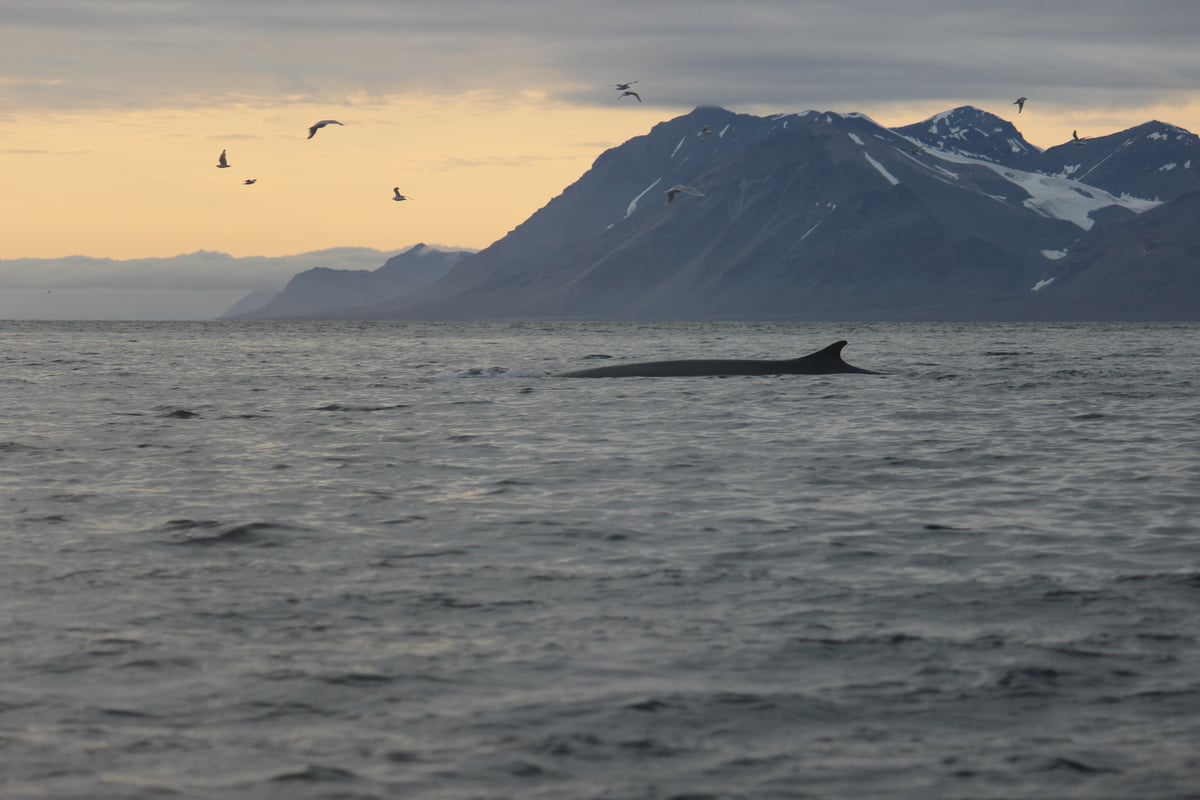
COPENHAGEN — Following the successful towing of a deceased cetacean specimen designated ‘Timmy’ to Danish shore on May 28, 2026, the Department of Marine Affairs has issued a 47-page procedural document outlining the necropsy process and associated diplomatic protocols. The operation has triggered an emergency convening of the Nordic Whale Incident Response Committee, with observers from twelve nations requesting real-time briefing access.
The specimen, a fin whale measuring approximately 18 metres, was located in waters off Anholt following a two-week search and rescue operation that concluded unsuccessfully on May 24. Subsequent to the determination of non-viability, a decision matrix was completed recommending towing to shore for post-mortem examination. This decision has generated correspondence from the Icelandic Ministry of Marine Resources, the Norwegian Embassy, and an official inquiry from the European Union’s Cetacean Affairs Coordinator.
In a statement released through the Ministry of Foreign Affairs, Denmark’s government clarified that the autopsy represents “standard marine biological protocol” and does not constitute a violation of international whale preservation agreements. However, the phrasing of this statement—which emphasizes Denmark’s compliance rather than the routine nature of the procedure—has been interpreted by media outlets across the North Atlantic as defensive.
The Swedish Ministry of Environment has requested observer status at the necropsy. Finland has submitted a formal note expressing “concern regarding precedent-setting procedures in shared waters.” Canada, despite having no direct jurisdictional claim, has asked for copies of the preliminary findings within 48 hours of completion.
Dr. Kristian Møller, Director of the National Institute for Marine Specimen Analysis, issued a technical briefing on May 29 explaining that the autopsy will examine gastric contents, tissue samples, and cause of death. He noted that preliminary observations suggest “trauma consistent with vessel strike,” a determination that has prompted the International Maritime Organization to issue a cautionary statement regarding shipping lane protocols in the region.
The Danish government’s communications office has scheduled daily press briefings. The first briefing, held on May 30, lasted 3 hours and addressed 127 questions, 43 of which pertained to whether the whale’s death was preventable and 22 of which questioned whether the autopsy itself was necessary. A follow-up briefing has been scheduled for June 2.
In a related development, the specimen has been assigned a reference number—DK-WHALE-2026-0847—and a dedicated incident management file has been opened in the Department of Marine Affairs’ centralized database. All communications regarding the specimen are now classified as official government documents subject to standard retention protocols.
The Faroe Islands have issued a statement indicating they are “monitoring the situation with interest,” a formulation that diplomatic observers have characterized as notably terse. The phrase has been interpreted in some circles as expressing skepticism regarding Denmark’s handling of the incident, though the Faroese government has not elaborated.
A spokesperson for the Department of Marine Affairs confirmed that the necropsy will proceed as planned, that the specimen will be treated “with appropriate scientific rigor,” and that all findings will be documented in accordance with established procedures. When asked whether the international attention had complicated the process, the spokesperson indicated that “heightened awareness of maritime biology at the governmental level is neither unexpected nor problematic.”
The autopsy is scheduled to commence on June 3, 2026. A preliminary report is expected within two weeks. The specimen will be preserved in cold storage pending the completion of all analysis, after which disposition protocols will be determined in consultation with relevant stakeholders.
In the interim, the Nordic Whale Incident Response Committee has established a working group to review existing frameworks for transnational cetacean incident management. The first meeting of this working group is scheduled for June 15.