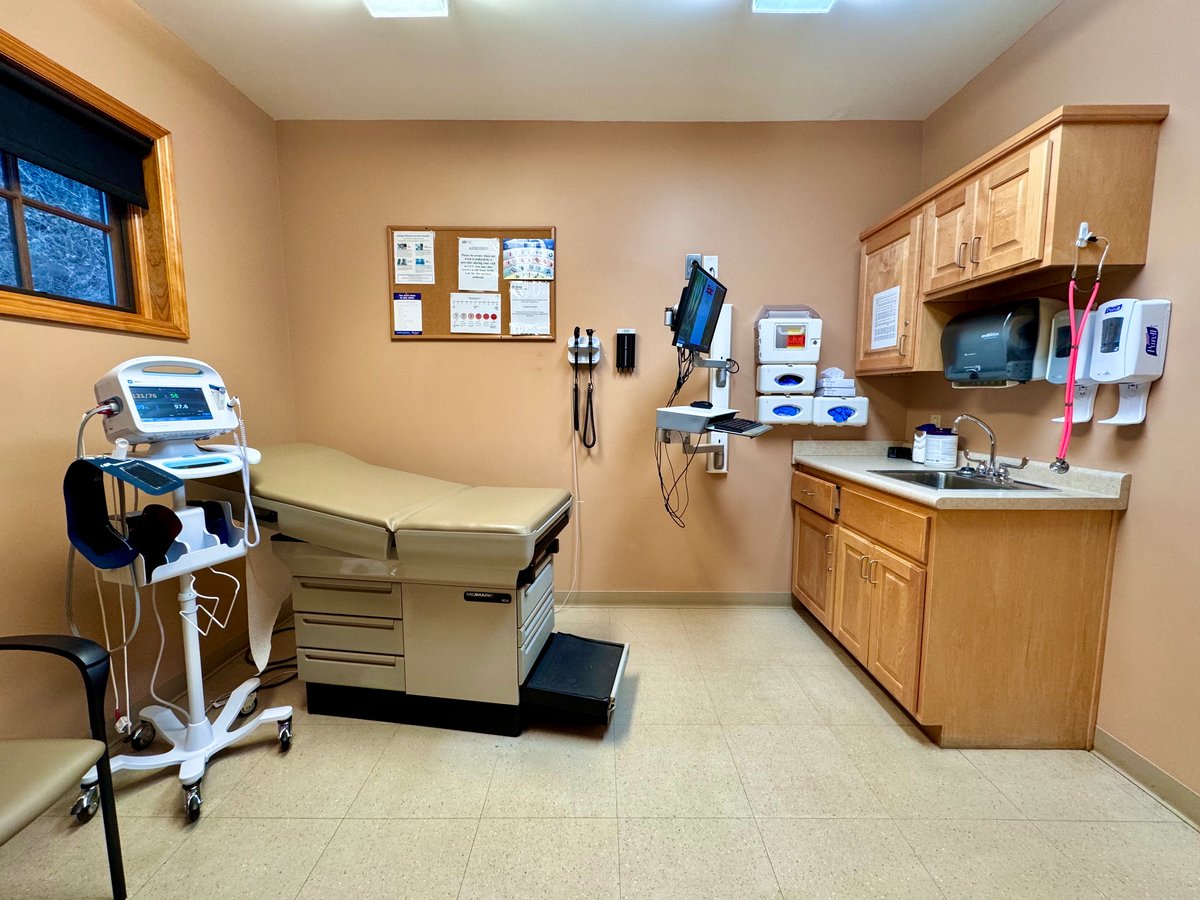
BERLIN — Following the implementation of amended workplace health protocols effective July 1, 2026, the Federal Ministry of Labour has issued updated guidance requiring all employees to obtain physician certification on the first day of illness. The measure, designed to reduce administrative burden, has instead created an unprecedented surge in medical appointment demand across Central Europe.
According to preliminary modelling from the German Medical Association (Ärzteverband), the policy is expected to generate approximately 8.2 million additional doctor visits annually within German borders alone. International health organisations have begun issuing advisory notices regarding potential appointment availability constraints in neighbouring jurisdictions, as citizens attempt to secure same-day consultations while experiencing acute illness.
The German Association of General Practitioners characterised the requirement as “operationally suboptimal,” noting that patients presenting with fever, productive cough, or gastrointestinal distress will require in-person evaluation to satisfy documentation requirements. One spokesperson observed that the policy “borders on madness” when considered against standard epidemiological practice.
The World Health Organization has convened an emergency working group to assess potential supply chain disruptions to the global physician workforce. Early projections suggest that appointment availability in Austria, Denmark, and the Netherlands may experience measurable compression by Q4 2026. The EU Commission has requested member states submit contingency plans for medical capacity management.
The German government has indicated that the policy remains under review. A spokesperson from the Ministry stated that “all operational aspects of the directive are functioning as intended” and that “workforce health management objectives continue to align with departmental targets.”