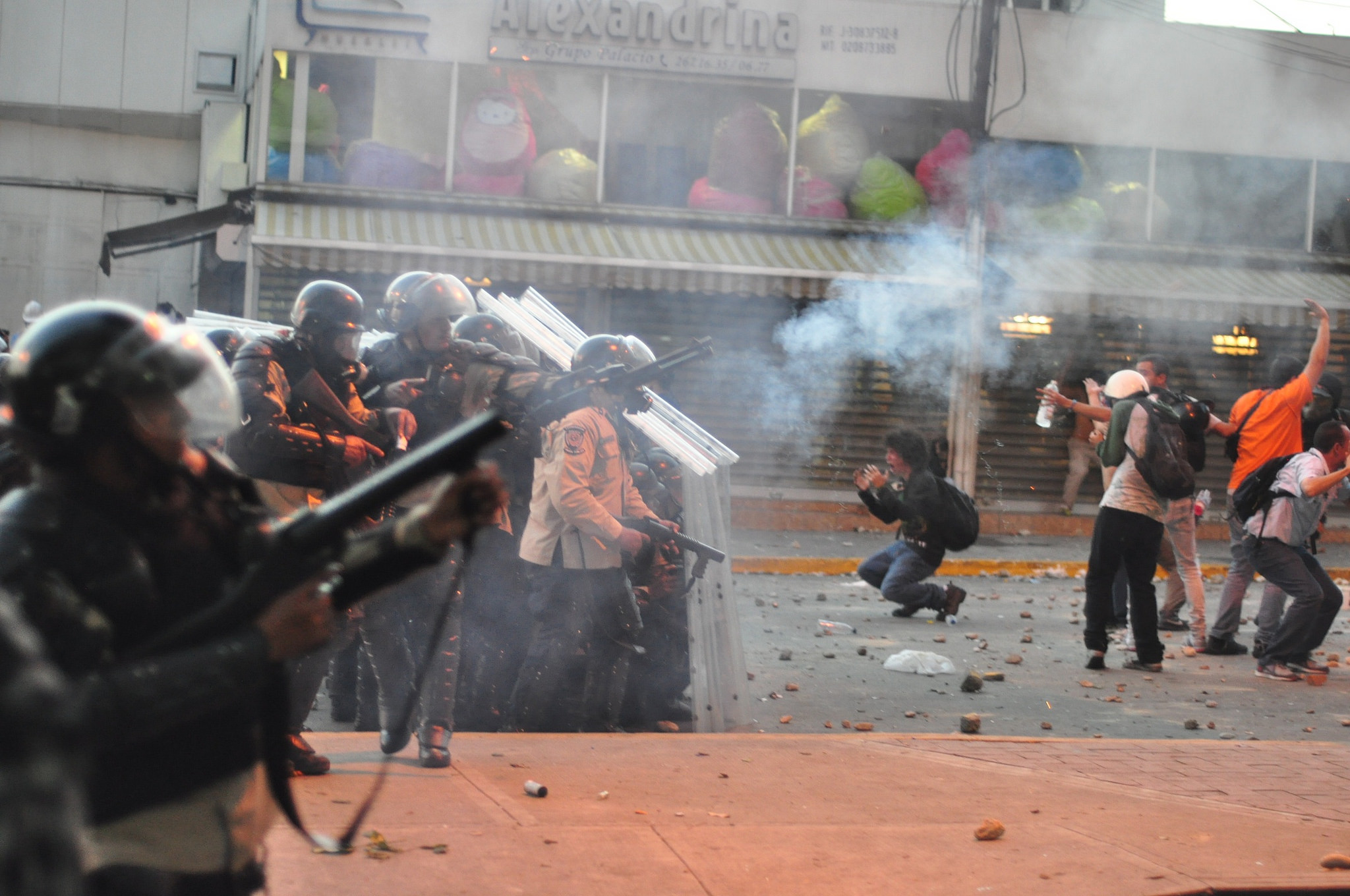
GENEVA — Following yesterday’s dispersal of anti-G7 protesters using water cannons and tear gas, Swiss authorities have issued a statement confirming that chemical irritants have been formally integrated into the summit’s negotiation framework.
According to an internal briefing circulated to participating nations, tear gas is no longer classified as a crowd-control measure but as a “dynamic engagement protocol.” The distinction is significant. Where previous summits relied on closed-door meetings and carefully worded communiqués, this year’s G7 has adopted what officials describe as a “bidirectional communication model.”
Under the new protocol, when consensus cannot be reached on trade policy or climate commitments, Swiss police will deploy escalating concentrations of lachrymatory agents until agreement is achieved or all parties have vacated the premises. Early results suggest the method is effective: three separate trade disputes were resolved within forty minutes of initial deployment.
“We have found that tear gas creates remarkable clarity on previously intractable issues,” said a spokesperson for the Swiss Federal Police. “World leaders are discovering that their positions on carbon emissions become far more flexible once their eyes begin to water.”
Protesters, for their part, have indicated they will return today with improved respiratory equipment and what one organizer described as “counter-offers.” Swiss authorities are preparing additional supplies.