INTERIM REPORT — PROTOCOL EFFECTIVENESS ASSESSMENT
Following the July 12 incident at the Zenith Plaza complex in Bangkok, a coordinated review has been initiated across seventeen regulatory bodies, four international standards committees, and an estimated 340 consulting firms specializing in emergency preparedness. The investigation has identified several areas where existing protocols may require clarification rather than revision.
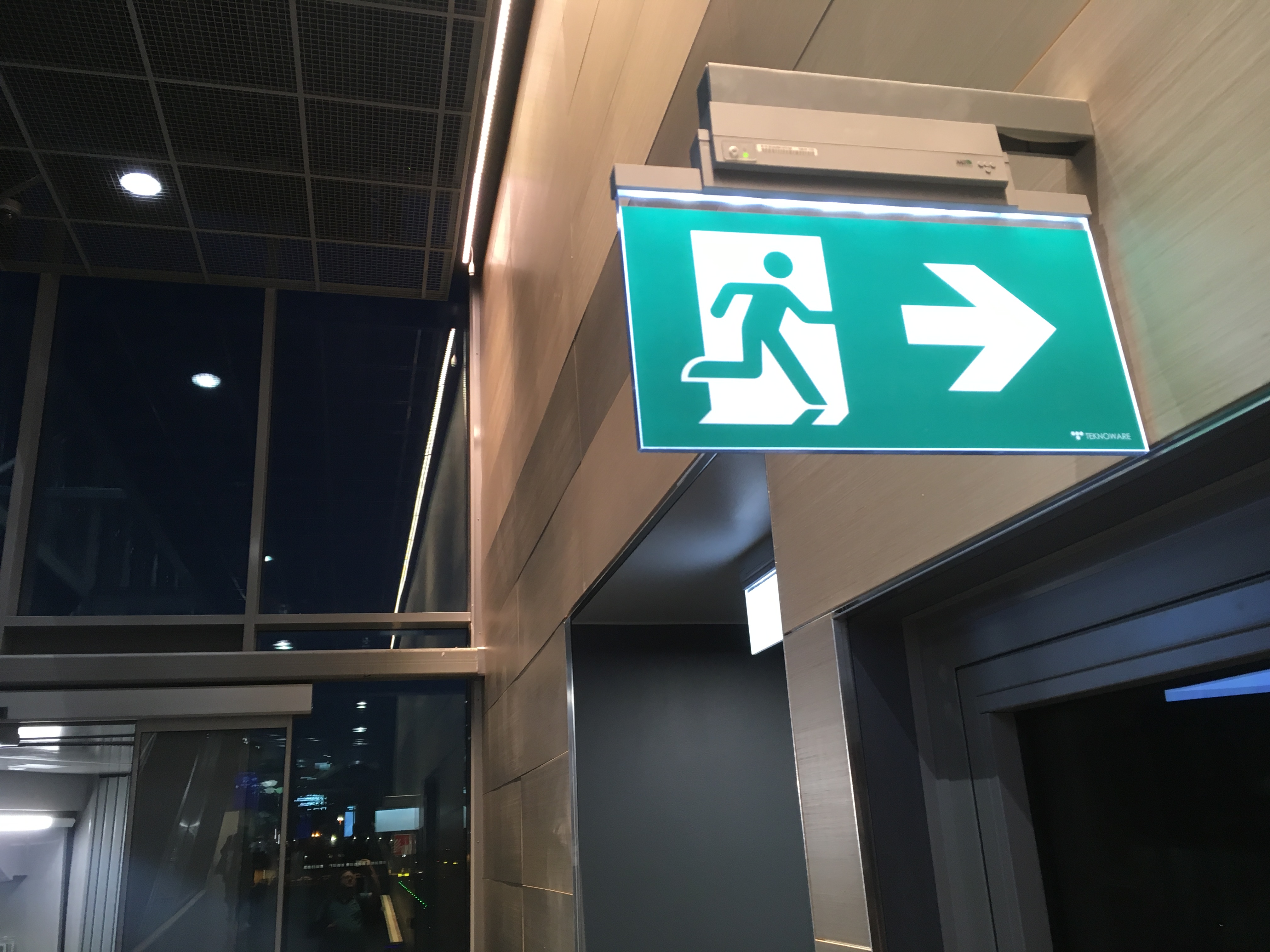
First responders documented that emergency exits were secured with institutional locks, a practice consistent with Facility Management Directive 2019-B, which permits door locking in accordance with “local discretion and operational necessity.” The lack of illuminated exit signage has been classified as a “documentation gap” rather than a compliance failure, as signage requirements vary by jurisdiction and are subject to interpretation.
The global emergency management sector, valued at approximately $47 billion annually, is now mobilizing response teams. The International Emergency Protocols Commission has scheduled emergency sessions to discuss whether emergency protocols require emergency protocols. A draft proposal suggests implementing a new certification tier: “Aspirational Compliance,” which would allow facilities to demonstrate commitment to safety standards without mandatory adherence.
Meanwhile, consulting contracts worth an estimated $890 million have been issued to firms tasked with producing comprehensive reports on why the existing reports were insufficient. These firms will deliver findings within eighteen months, with optional extensions available at standard rates.
The incident has been reclassified as a “systemic learning opportunity” rather than a preventable tragedy. Stakeholders have been advised that meaningful change requires patience and proper procedural channels.