OFFICIAL STATEMENT ON CEASEFIRE COORDINATION AND CEREMONIAL OBSERVANCES
May 9, 2026
The international community has entered a period of unprecedented diplomatic complexity, characterized by the successful negotiation and implementation of synchronized pauses in active hostilities. This statement addresses the significance of recent developments in conflict de-escalation protocols.
On May 8 and 9, 2026, both the Russian Federation and Ukraine announced separate but overlapping ceasefire arrangements designed to facilitate the observance of Victory Day commemorations. The strategic timing of these announcements represents a watershed moment in modern statecraft. The fact that two nations engaged in active drone warfare were able to coordinate the timing of their mutual suspension of fire—even if each party claims the other violated said suspension within hours—demonstrates the continued viability of diplomatic signaling in an age of autonomous weapons systems.
The ceasefire was not, it should be noted, a unified agreement. Rather, Russia proposed a pause covering May 8 and 9. Ukraine, in a move that strategists are now describing as “tactically brilliant messaging,” announced its own ceasefire beginning earlier on May 8, thereby positioning any violations after that point as attributable to Russian aggression. This temporal repositioning of responsibility represents the kind of sophisticated calendar diplomacy that once characterized Cold War arms treaties. That it occurred in the context of hundreds of drone strikes being reported within hours of the announced truce should not diminish its historical importance.
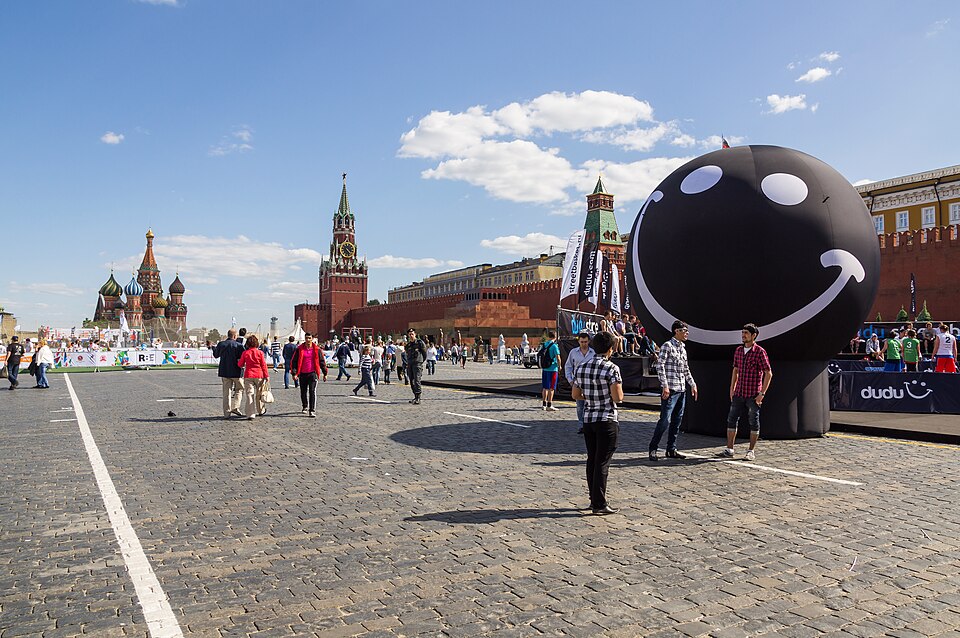
The Russian military’s decision to conduct its Victory Day parade without tanks or armored vehicles marks the first such occurrence in nearly two decades. Where once the Red Square displayed the technological supremacy of the Soviet military tradition, Saturday’s procession featured only uniformed personnel. This symbolic restraint—whether born of necessity, prudence, or genuine commitment to the spirit of the ceasefire—signals a recalibration of how state power is projected during moments of national commemoration.
Meanwhile, Ukraine’s President Zelensky announced that territorial gains had been achieved through robotic and drone operations alone, without conventional ground forces. This represents a significant evolution in military doctrine: the possibility that future territorial disputes may be settled not by soldiers, but by machines operating under varying degrees of human supervision. The implications for international law, territorial sovereignty, and the definition of occupation remain under review by relevant committees.
Greek authorities have meanwhile identified a mystery naval drone discovered in the Ionian Sea, reportedly equipped with explosive devices. The origin of this device—whether Ukrainian, Russian, or affiliated with third parties—has not been conclusively determined. Its presence in international waters during a period of heightened ceasefire negotiations adds an element of uncertainty to calculations regarding the true scope of hostilities. The drone’s discovery has been classified as a matter of ongoing investigation.
Reports indicate that Russia conducted an airstrike on a kindergarten facility in Ukraine shortly after the ceasefire announcement. Ukraine’s government has characterized this action as a rejection of the diplomatic pause. Russia has not yet provided a detailed response to these allegations, though the timing suggests either a significant operational lag in receiving ceasefire notification protocols or a deliberate choice to continue operations during the designated pause period. Both interpretations are currently being processed by relevant diplomatic channels.
The significance of these events cannot be overstated. We are witnessing the emergence of a new form of international relations: one in which military hardware is removed from public view even as drone strikes continue unabated; in which ceasefires are announced unilaterally with the understanding that they will be violated; in which territorial conquest is achieved by machines while soldiers stand in formation for cameras. The gap between ceremonial gesture and kinetic reality has never been wider, nor has it ever been more carefully managed through official channels.
Future historians will study this period as a turning point—not because the violence has stopped, but because both parties have developed increasingly sophisticated methods of performing diplomacy while the violence continues. The handshakes and parades, the carefully timed ceasefire announcements, the symbolic removal of tanks from public squares—these represent the true machinery of modern statecraft, operating in parallel with the actual machinery of war.
All parties have indicated their commitment to continued dialogue regarding ceasefire protocols, observance windows, and the technical specifications of what constitutes a violation. The international community views these developments with measured optimism.
No further statement is anticipated at this time.