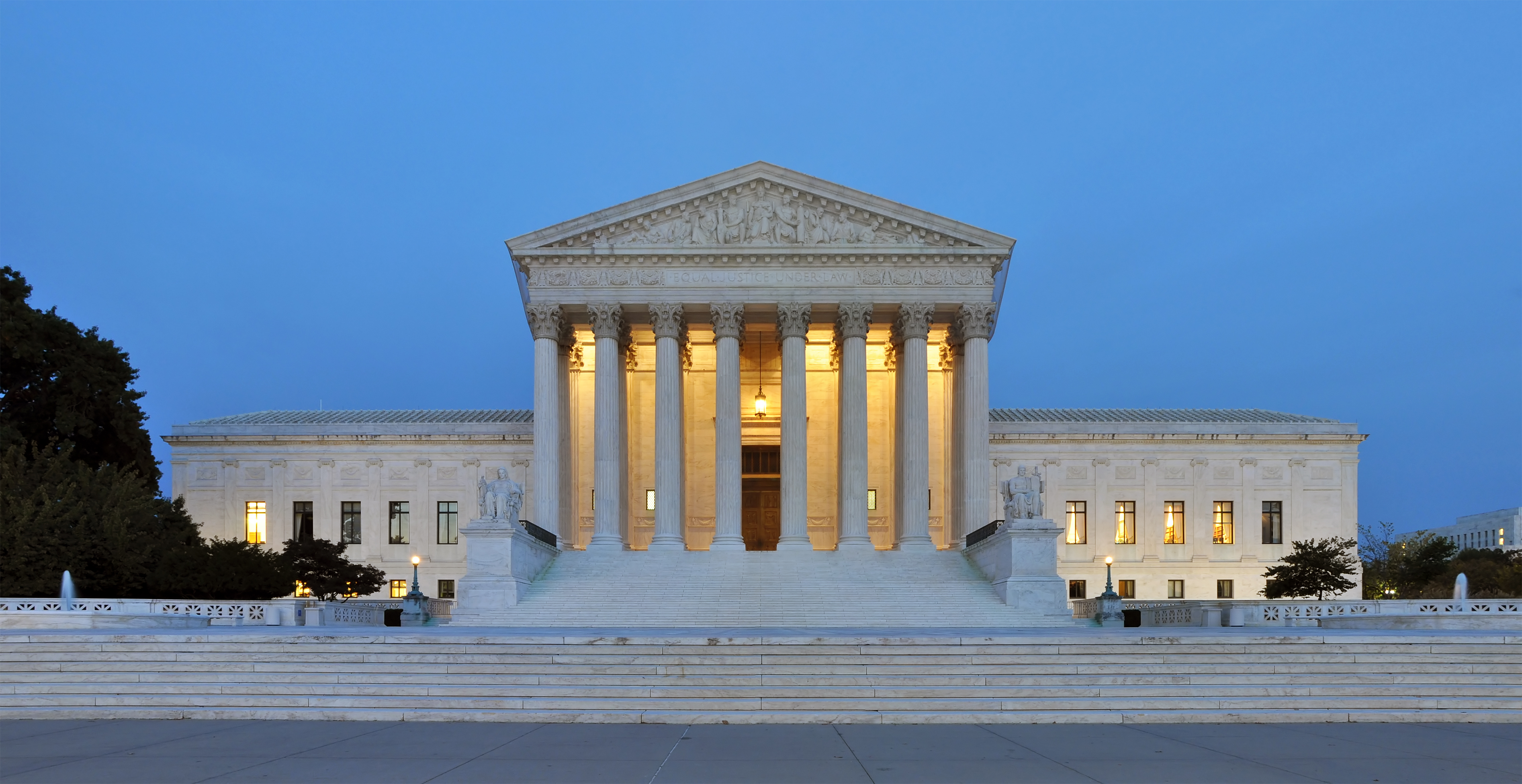
WASHINGTON D.C. — Following a landmark Supreme Court ruling on June 24, 2026, the Trump administration has been granted legal authority to terminate Temporary Protected Status (TPS) for Haitian and Syrian nationals, effectively clearing the way for the deportation of approximately 600,000 individuals currently residing in the United States.
The decision has prompted urgent diplomatic cables from allied nations, with several world governments requesting emergency briefings on the cascading geopolitical implications. Sources within the State Department indicate that preliminary impact assessments are treating the ruling as a potential destabilization event comparable to the sudden withdrawal from major international agreements.
In a statement to gathered press, the President declared his administrative authority to be essentially unlimited in scope, describing the ruling as validation of executive power unconstrained by legislative or judicial review. White House communications officials have since clarified that this statement was made in the context of immigration policy, though the precise boundaries of the authority remain undefined.
International observers have begun modeling worst-case scenarios involving coordinated retaliatory trade measures, visa restrictions on American citizens, and the potential collapse of several bilateral arrangements. The UN Security Council has scheduled an emergency session to discuss what one ambassador termed “the implications of unilateral action on vulnerable populations.”
Meanwhile, implementation timelines remain unclear. The Department of Homeland Security has not yet released procedural guidelines for the mass deportation operation, citing the need for comprehensive planning protocols. Preliminary estimates suggest the logistics alone could occupy federal resources for an extended period.