INTERNAL MEMORANDUM — RE: ESCALATION PROTOCOLS TO: Senior Communications Staff FROM: Narrative Management Division DATE: May 19, 2026 REF: TM-KY-052026-MASSIE
Following recent statements from Kentucky Representative Thomas Massie regarding budgetary allocations and certain archival materials, this office has determined that a comprehensive strategic response framework is required. The following briefing outlines the current situation and recommended positioning.
BACKGROUND
Representative Massie, a member of Congress representing Kentucky’s 4th District, has on multiple occasions declined to support administration-preferred spending measures and has made inquiries into historical document availability. These positions, while exercised within his constitutional capacity as an elected official, have been characterised by external stakeholders as constituting a direct challenge to executive authority. It is understood that Mr. Massie intends to seek re-election.
STRATEGIC ASSESSMENT
Our analysis indicates that a single member of the House of Representatives, operating within established legislative procedures and expressing views contrary to those held by the current administration, now represents what various media outlets have described as “an existential threat to the political order.” This characterisation has been accepted across multiple platforms without material revision.
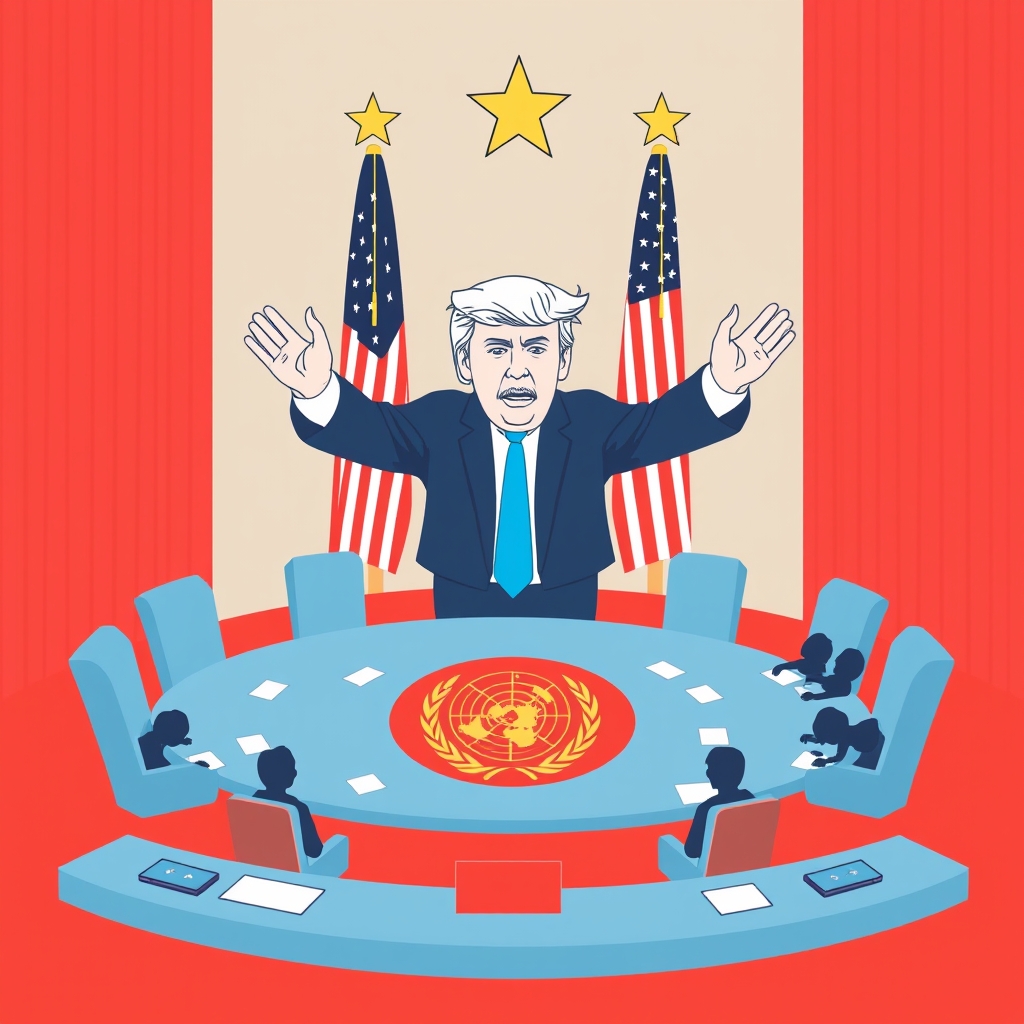
The situation has prompted what we are now calling the “Massie Escalation Protocol,” wherein routine congressional disagreement has been elevated to the status of a civilisational conflict. International observers have noted that diplomatic channels previously reserved for matters involving nuclear weapons systems, trade wars, and territorial disputes are now being activated in response to a single legislator’s voting record.
CURRENT DEVELOPMENTS
As of this morning, three separate emergency summits have been scheduled. The State Department has convened its Crisis Management Task Force. The Pentagon has issued a preliminary assessment (classified, but the headline reads “Political Instability Detected in Domestic Sphere”). A coalition of think tanks has begun publishing white papers with titles such as “The Massie Question: Can Democracy Survive One Person Disagreeing.”
Representative Massie’s campaign staff has apparently been informed that his re-election bid will be treated as a matter of national security significance. Polling organisations have begun conducting surveys with questions designed to measure public sentiment regarding “the Massie situation.” Early results suggest that approximately 87 percent of respondents were unaware that this situation existed until being informed of it by the poll itself.
MEDIA LANDSCAPE
Coverage has followed predictable patterns. Headlines have progressed from “Congressman Challenges President on Spending” to “Republican Defiant in Face of Executive Pressure” to “Will Democracy Survive the Massie Insurgency.” One outlet ran a segment titled “Inside the Mind of a Rebel,” featuring a seven-minute interview in which Mr. Massie discussed his views on government efficiency.
The framing has achieved what we might characterise as “maximum dramatic inversion.” A routine legislative disagreement, of the type that has occurred continuously since the founding of the republic, has been repackaged as a turning point in human history. We note that similar coverage has not been extended to other members of Congress who have also voted against spending measures or requested document access, suggesting that the Massie situation benefits from what we might call “selective narrative intensity.”
RECOMMENDATIONS
This office recommends the following approach:
First, the administration should continue treating this as a matter of grave constitutional importance. Consistency in tone is essential. If a single congressman’s voting record can be elevated to crisis status, then the precedent is established for future escalations. This creates a sustainable narrative framework.
Second, media partners should be encouraged to expand the scope of analysis. Rather than focusing on the specific policy disagreements, coverage should emphasise the “unprecedented nature” of a legislator acting independently. This approach has proven effective in previous instances.
Third, all parties should maintain the current level of diplomatic activation. The involvement of international observers, think tank assessments, and emergency summits lends weight to the proceedings that would be difficult to justify if examined in isolation. The sheer bureaucratic machinery now in motion serves as its own validation.
FINAL ASSESSMENT
Representative Massie’s apparent belief that he possesses the right to vote according to his own judgment represents a challenge to the current organisational structure. Whether this challenge succeeds or fails is less significant than the fact that it has been recognised as a challenge worthy of the resources currently being deployed against it. In this sense, the Massie situation has already achieved a form of success, regardless of electoral outcome.
The question of whether a single member of Congress should have the authority to disagree with executive preferences has been successfully reframed as a question of whether democratic institutions can survive such disagreement. This represents a significant achievement in narrative management.
We will continue monitoring the situation and will provide updates as developments warrant.
End memorandum.