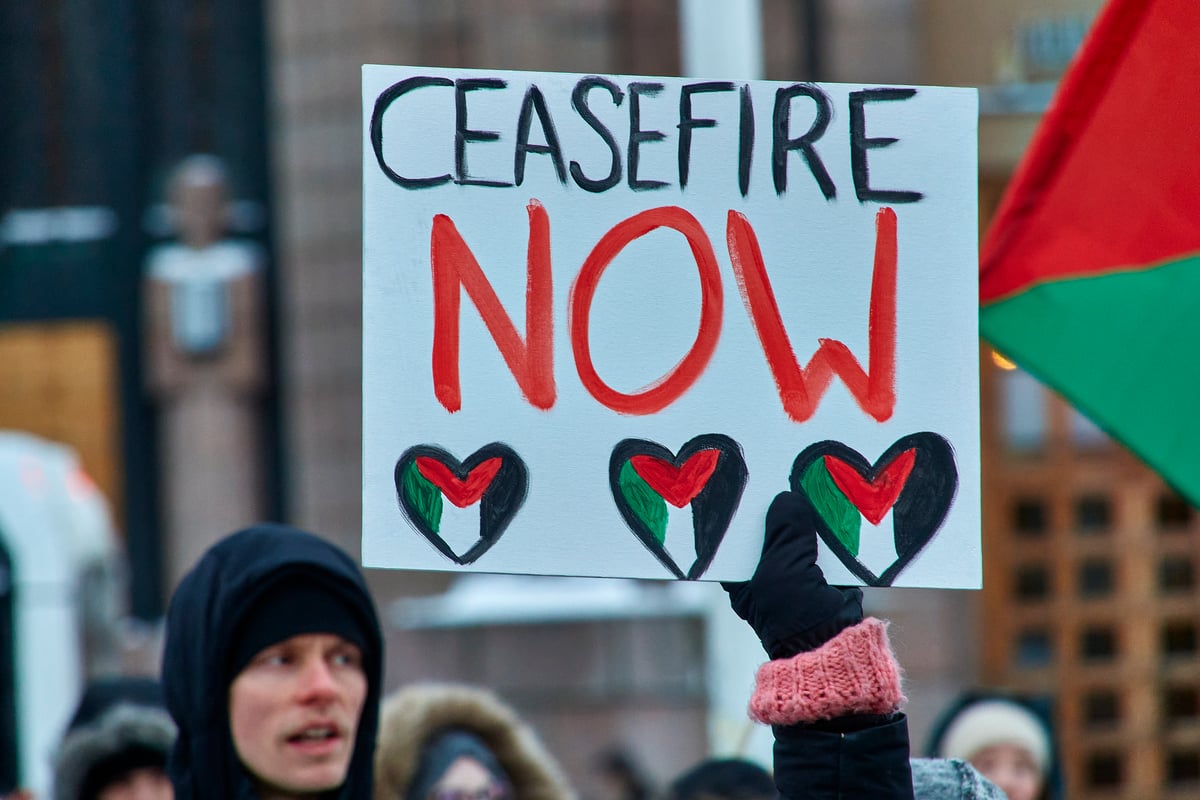
INTER-AGENCY COORDINATION MEMO — RE: CEASEFIRE SUSTAINABILITY INITIATIVE
Date: June 5, 2026 Classification: For Internal Distribution
Following three consecutive ceasefire announcements across a seventy-two-hour period, the Regional Stability Task Force wishes to clarify the operational parameters of what has been colloquially termed the “Middle East Ceasefire Cycle.”
The current arrangement, formally designated as the Renewable Tension Protocol (RTP), represents a significant evolution in conflict management methodology. Unlike traditional ceasefires, which operate on a binary pause-resume model, the RTP functions as an iterative engagement framework. Each cycle consists of four distinct phases: announcement, rejection, military action, and renewed negotiations. Preliminary data suggests this creates a sustainable tension equilibrium with built-in momentum for continued engagement.
Hezbollah’s formal rejection of the ceasefire agreement announced Wednesday evening should be understood not as a failure of diplomacy, but rather as participation in the established cadence. The organization’s statement rejecting the deal came precisely on schedule, allowing Israeli military operations to resume within the agreed-upon operational windows. This is functioning as designed.
The nine casualties reported in southern Lebanon on Thursday represent what the Defense Ministry terms “ceasefire friction”—incidents that occur during the technical pause between agreement announcement and mutual acknowledgment of the pause’s parameters. Such friction is anticipated and has been factored into the sustainability models.
What distinguishes the current cycle from previous iterations is the introduction of what we are calling the “Partial Truce Holding Pattern.” Under this framework, Israel continues its campaign in southern Lebanon while maintaining a voluntary moratorium on strikes against Beirut proper. Hezbollah, meanwhile, continues rocket fire across the border while refraining from major offensive operations. Both parties thus achieve their stated objectives—demonstrating strength to domestic audiences while maintaining enough restraint to preserve the ceasefire announcement’s credibility in international forums.
This represents what game theory specialists refer to as a “win-win escalation scenario.” Each side wins the opportunity to continue military operations while simultaneously winning the diplomatic victory of a ceasefire agreement. The United States, having brokered the arrangement, wins the appearance of diplomatic success. The media wins a renewable news cycle with built-in dramatic tension. All stakeholders remain engaged and invested in the process.
The Renewable Tension Protocol is designed to persist indefinitely. Once the current cycle reaches its natural conclusion—anticipated within seven to ten business days—the process will reset. A new round of talks will commence, a fresh ceasefire will be announced, and the appropriate parties will reject it on schedule. Hezbollah has already indicated its willingness to participate in Round Four negotiations, suggesting institutional commitment to the framework.
Operational commanders have been instructed to calibrate military actions to maintain the ceasefire’s essential fiction. Strikes should be significant enough to justify continued military operations, but restrained enough to preserve the diplomatic process. This balance has proven achievable in previous cycles and is expected to continue.
The Regional Stability Task Force notes that this arrangement, while unconventional, has several advantages over traditional conflict resolution. It provides continuous employment for negotiators, sustained media attention, regular opportunities for statements of commitment to peace, and a predictable operational rhythm that allows military planners to schedule operations with confidence.
Questions regarding the sustainability of this model should be directed to the Perpetual Engagement Division. All personnel should note that ceasefire announcements should be treated as procedural milestones rather than operational pauses. Standard protocols remain in effect.
The next scheduled ceasefire announcement is anticipated for June 9, 2026.