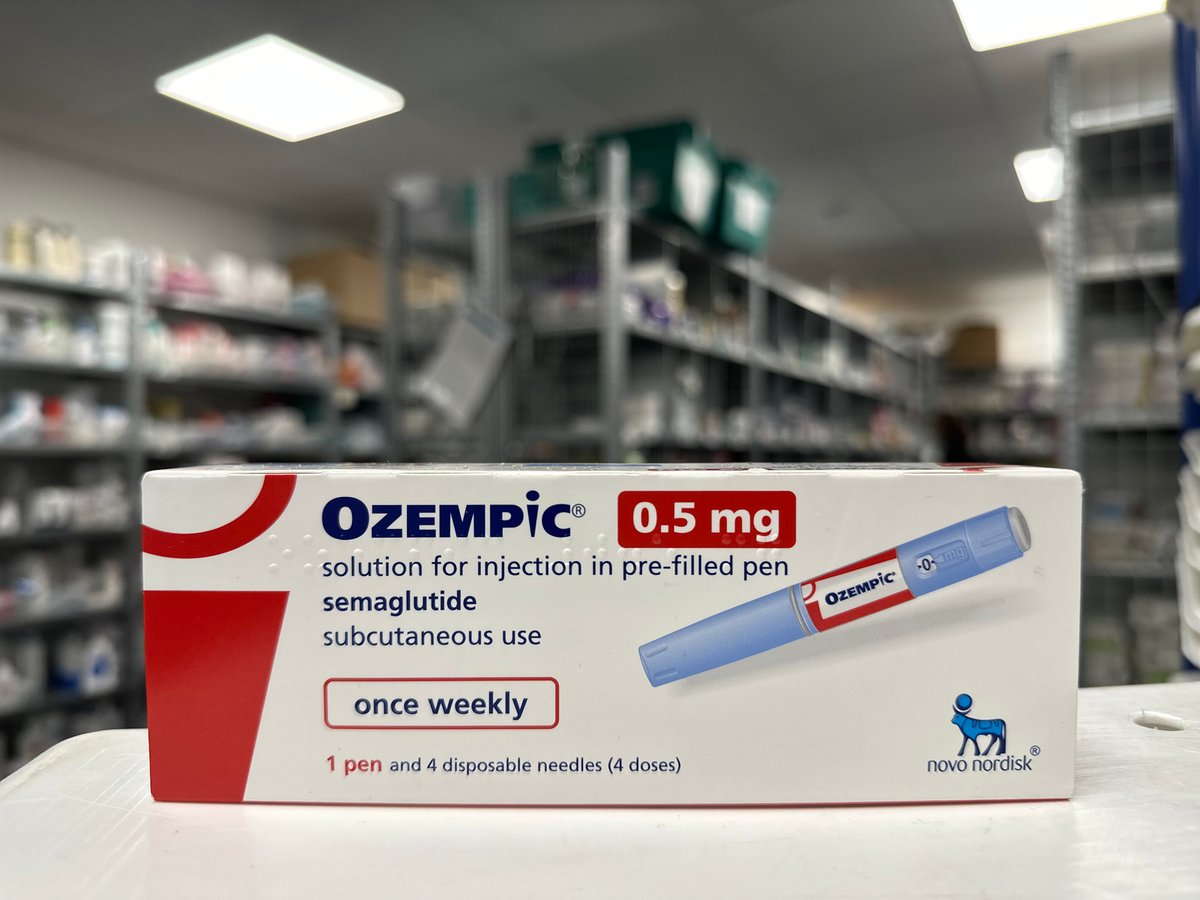
INTER-AGENCY COORDINATION MEMO RE: Status Update on Semaglutide Market Access Differential DATE: June 4, 2026 CLASSIFICATION: For Internal Distribution
The Regulatory Affairs Division has identified an emerging market access asymmetry that requires immediate stakeholder communication. Canada approved a generic formulation of semaglutide for weight management on June 1, 2026. The United States has not. This memo outlines the procedural context.
BACKGROUND
Canada’s Health Canada division granted market authorization to a generic semaglutide product manufactured by Apotex Inc. on the dates specified above. The product is now available in Canadian retail pharmacies at approximately 60 percent of the branded Ozempic cost structure. This represents the first G7 jurisdiction to complete this approval pathway.
The United States Food and Drug Administration maintains an active review file for equivalent generic formulations. No approval date has been announced. The average processing timeline for such applications currently extends between 18 and 36 months from submission. Several applications remain in queue.
REGULATORY FRAMEWORK CONTEXT
It should be noted that both agencies operate under distinct statutory mandates. Health Canada’s approval process emphasizes bioequivalence demonstration and manufacturing compliance verification. The FDA’s process incorporates these elements alongside additional safety monitoring protocols developed during the branded product’s commercial lifecycle.
The distinction is procedural rather than substantive. Both jurisdictions require equivalent evidence packages. The timeline differential reflects resource allocation decisions, application volume management, and institutional prioritization frameworks that are not coordinated across borders.
MARKET IMPACT ASSESSMENT
Canadian consumers now have access to a lower-cost weight management pharmaceutical option approximately 18 months before projected U.S. market availability. This timeline gap has generated inquiry from patient advocacy groups, policymakers, and media outlets.
The pharmaceutical industry has characterized the situation as a natural outcome of independent regulatory systems. Patient groups have characterized it as evidence of systemic inefficiency. Both characterizations are technically accurate and therefore require careful communication management.
INSTITUTIONAL RESPONSE PROTOCOL
Communications should emphasize the following points in all external statements:
-
The FDA’s approval standards remain among the world’s most rigorous. This rigor has prevented market access for products that did not meet safety thresholds.
-
Generic semaglutide approval in the United States will occur upon completion of the established review process. Accelerating this timeline would require statutory modification.
-
International regulatory divergence is standard practice. Patients in different jurisdictions routinely have different pharmaceutical access. This is not anomalous.
-
The branded Ozempic product remains available in the United States at current price points. Generic alternatives will reduce costs once approved through established channels.
CRITICAL TALKING POINT
It is important that external communications do not frame this situation as a “crisis” or “failure.” The regulatory systems are functioning as designed. The outcomes reflect design choices, not system malfunction. The distinction is essential for institutional credibility.
Communications teams should avoid language suggesting that approval speed indicates approval quality. Conversely, they should avoid language suggesting that approval speed is irrelevant to public health outcomes. Both positions create narrative vulnerabilities.
PREVENTING ESCALATION
Congress has not yet requested briefings on this matter. Proactive outreach to relevant committees is not recommended at this time. Responsive communication to direct inquiries should follow the framework outlined above.
Media outlets have begun publishing comparative analyses of U.S. and Canadian approval timelines. These articles are factually accurate and therefore difficult to dispute. The recommended approach is acknowledgment rather than contradiction.
Example statement: “The FDA and Health Canada operate under different statutory frameworks and resource constraints. Both agencies apply rigorous safety standards. Timeline differences reflect institutional design rather than safety philosophy differences.”
CONCLUSION
Canada’s generic semaglutide approval is a regulatory event, not a regulatory failure. U.S. approval will follow established procedures on an established timeline. The gap between jurisdictions is expected and manageable through appropriate communications strategy.
No policy changes are recommended at this time. Existing approval frameworks should continue operating without modification.
Prepared by: Office of Communications Strategy Distribution: Executive Leadership, Communications Directors, External Affairs Next Review: Upon FDA Generic Semaglutide Approval or Congressional Inquiry