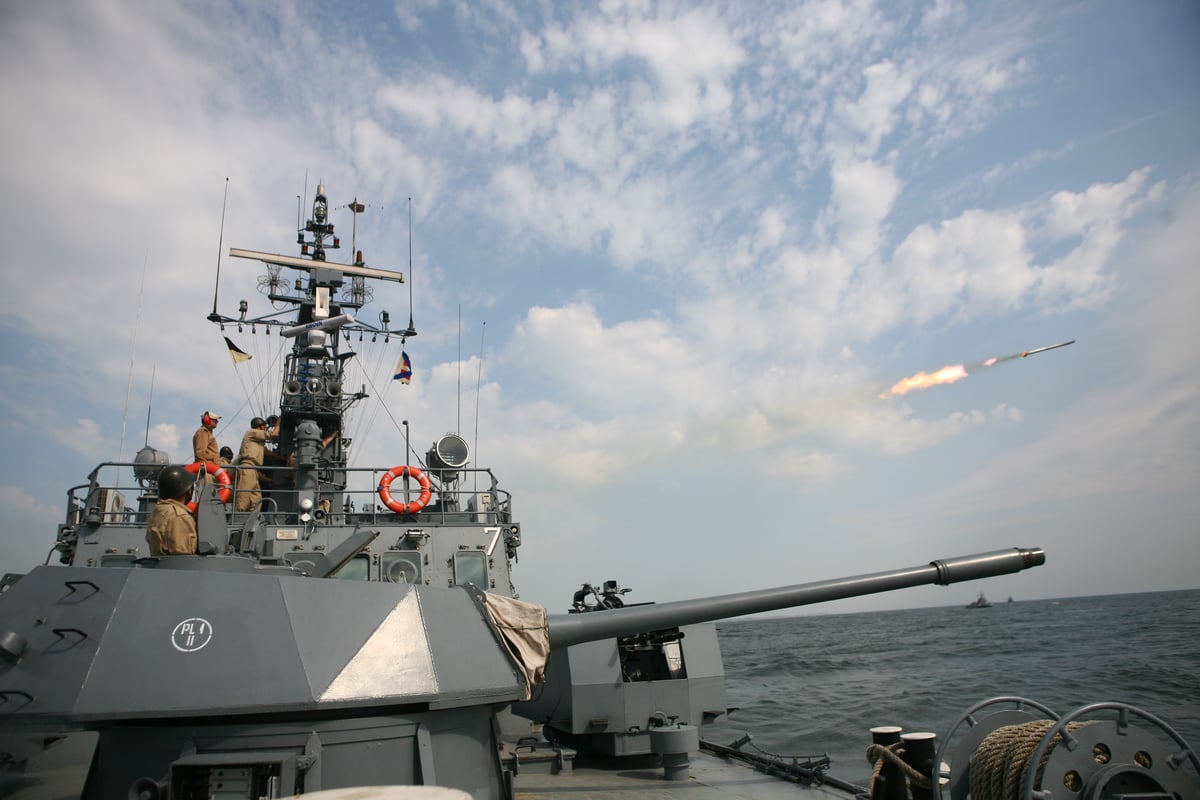
ISTANBUL — Following what officials are characterizing as the third consecutive season of the Black Sea Naval Tag Championships, participating nations have submitted revised rulebooks addressing what the International Maritime Sporting Authority (IMSA) describes as “interpretive ambiguities” in competitive engagement protocols.
The 2026 season, now in its fifth month, has seen an escalation in what IMSA terms “aggressive tag methodology.” Russian Federation competitors have intensified their pursuit of merchant vessel assets classified as Ukrainian-affiliated, resulting in what local authorities estimate as 31 civilian casualties in July alone. The rules, as currently interpreted, appear to permit strikes on commercial shipping infrastructure designated as “infrastructure for goods transport,” a category both nations have expanded with considerable creativity.
Ukrainian teams have responded with counter-tag initiatives targeting Russian logistics networks, maintaining competitive parity through what sport analysts describe as “reciprocal infrastructure reclassification.” Four fatalities were recorded during a particularly intense ballistic exchange targeting major urban centers, though IMSA has clarified these were classified as “collateral positioning adjustments” rather than rule violations.
The governing body released a statement indicating that scoring mechanisms remain under review. A spokesperson noted that “current point allocation systems may not adequately reflect the strategic value of civilian participation” and that revised guidelines would be circulated by August.
Sports journalists covering the championship have noted that traditional naval competition frameworks appear insufficient for the current level of intensity, with one observer remarking that the ruleset now requires “substantially more clarification than originally anticipated.”