INCIDENT SUMMARY — WEAPONRY CONCEALMENT PROTOCOL
Following a terminal security review at José Joaquín de Olmedo International Airport on June 18, 2026, operational personnel have identified a significant advancement in tactical delivery methodology. Gunmen successfully concealed lethal implements within floral arrangements and plush toy containers while maintaining perimeter positioning outside baggage claim. The victim, identified as a suspected gang leader, was neutralized upon exit.
This represents a noteworthy evolution in criminal aesthetics. Where previous generations favoured the direct approach—briefcases, gym bags, the occasional violin case—contemporary threat actors have pivoted toward the botanical sector. Flowers, historically associated with apology, romance, and funeral rites, have been reclassified as viable force multipliers.
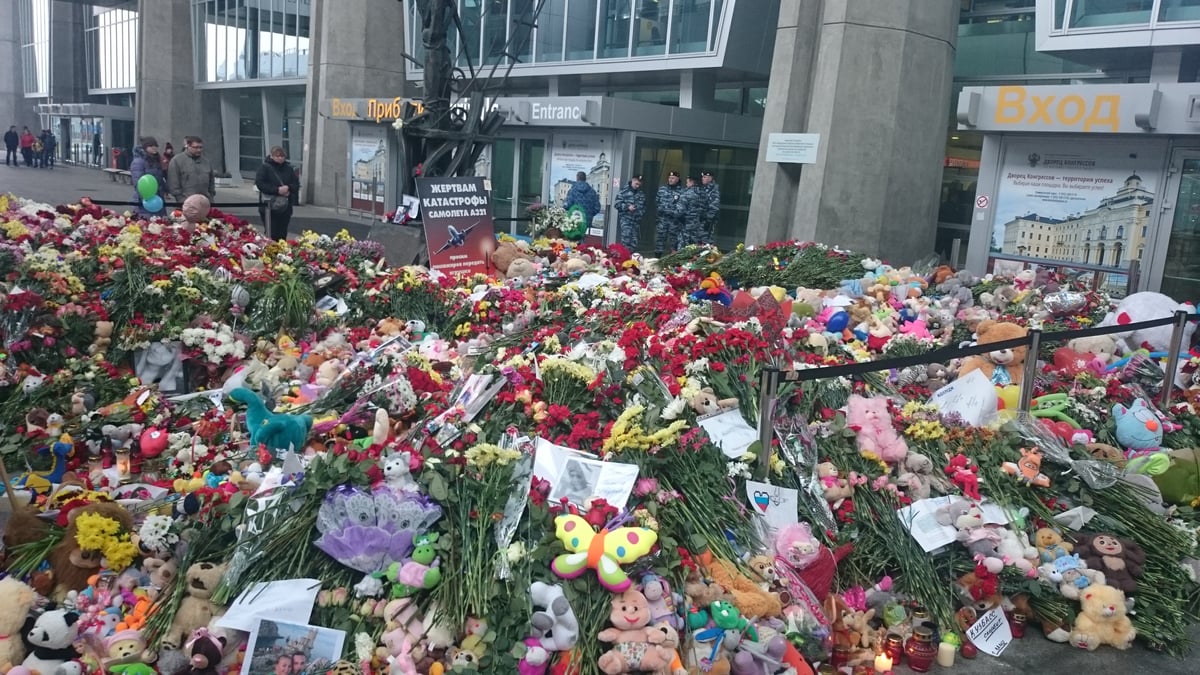
The juxtaposition is not lost on observers. A bouquet of roses and carnations, typically offered at airport arrivals to reunite families and celebrate safe travel, instead functioned as a Trojan horse for violence. Stuffed animals—comfort objects for children and the bereaved—became structural camouflage for weaponry.
Institutional response has been measured. Airport authorities are reviewing screening protocols. Security briefings now include a new taxonomy: florals as potential threat vectors. Vendors in the departure lounge continue operations.
The incident suggests that modern crime has achieved a peculiar synthesis: the efficiency of organised violence married to the ironic aesthetics of sentimentality. Gunmen waited with gifts. The victim arrived expecting a greeting. The gap between expectation and outcome has never been more perfectly framed in petals and synthetic fur.
No further statement at this time.