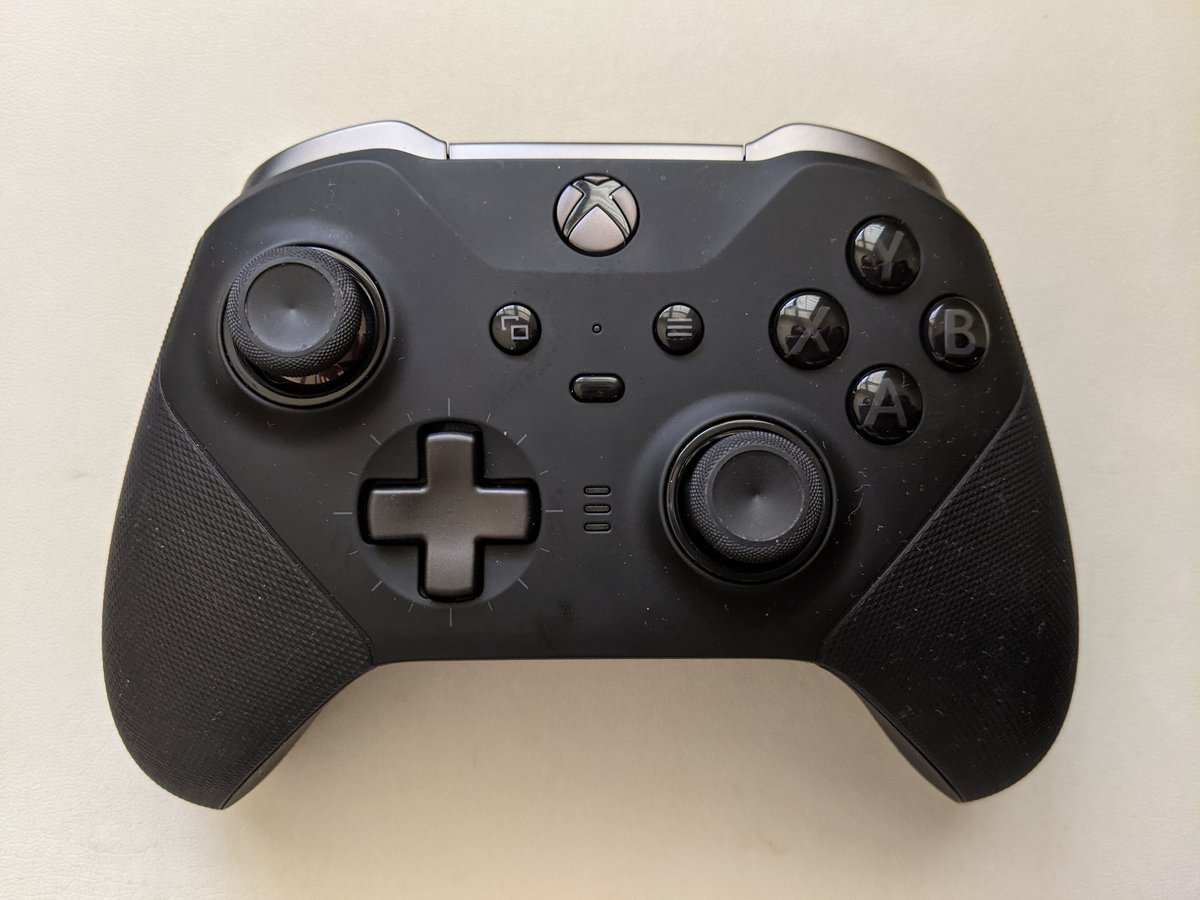
Microsoft just raised the Xbox Series X price by £170 in the UK because memory chips cost more now. This is the price increase that proves we’ve finally reached peak capitalism: a console manufacturer can blame a component supplier and gamers will nod along as if this is weather, not a choice.
The 43% price hike transforms the Series X from “thing you buy” into “thing you justify buying.” Suddenly it’s not a gaming device—it’s an asset class. Your mates will ask if you got the new one, and you’ll say yes, and they’ll calculate your net worth in their heads. Success.
Here’s the beautiful part: the memory chip market didn’t explode. Supply chains didn’t collapse. A memory manufacturer somewhere decided margins were insufficient, so they raised prices, and Microsoft decided passing that directly to consumers was easier than absorbing it or, God forbid, negotiating. Why negotiate when you can just make your product unaffordable and call it “market conditions.”
The real luxury here isn’t the console. It’s the audacity of framing a supply-chain pass-through as inevitable. In six months, when chip prices normalize—and they will—the Xbox will still cost £170 more. That’s not economics. That’s just finding out what people will pay and charging it.
Gamers will buy it anyway because what else are they going to do, play PlayStation?