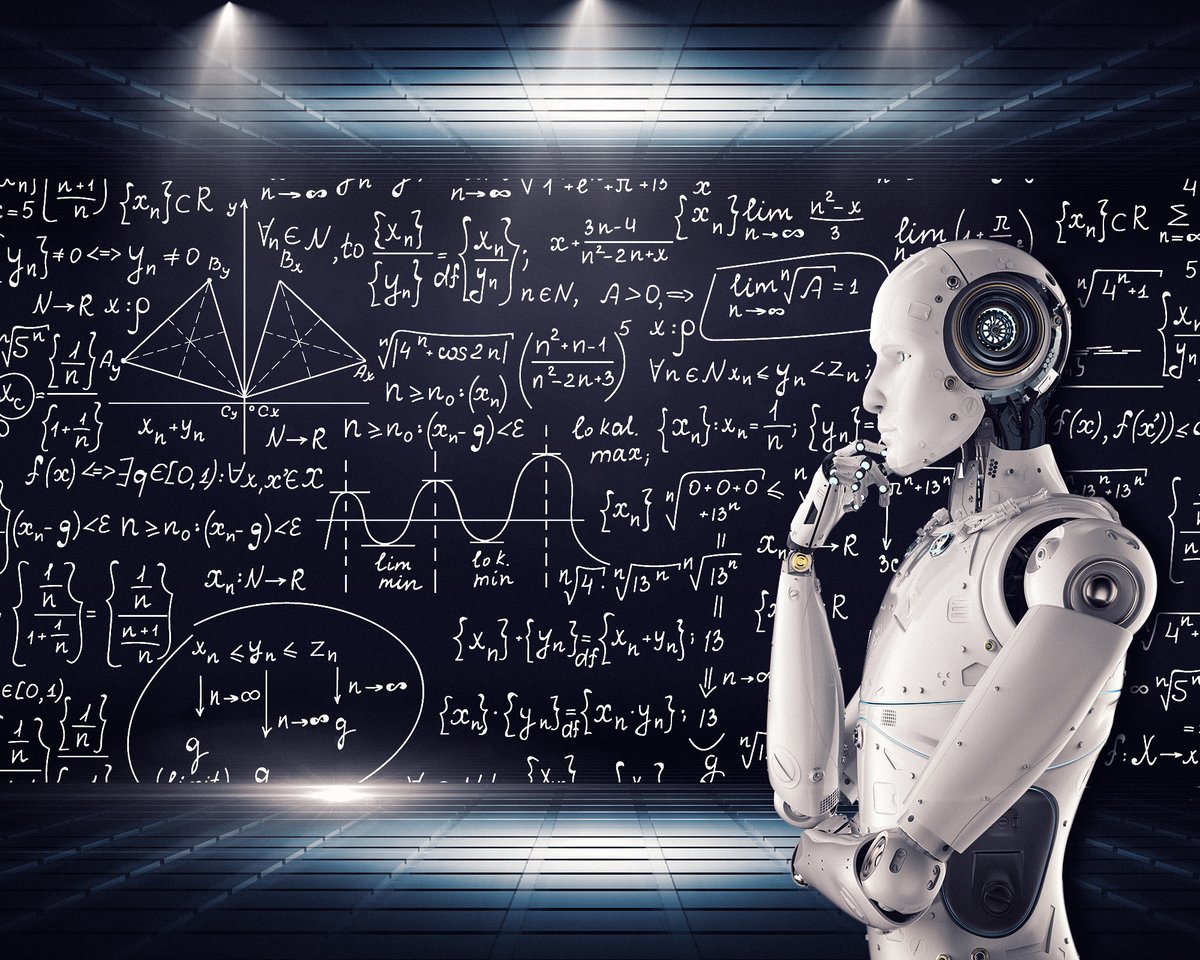
Humanity has developed a new anxiety disorder, and it’s called artificial intelligence. Not the technology itself—that part works fine, mostly, when it’s not hallucinating financial advice or writing your emails. The anxiety is the real product. We’re collectively panicking about whether machines will become sentient, steal our jobs, or decide we’re inefficient and need replacing. It’s the most predictable startup pivot in history.
The fear has all the hallmarks of venture capital theater. Existential dread is the new sustainability angle. Every think tank, research institute, and LinkedIn thought leader is now packaging apocalyptic concerns into whitepapers and conference talks, which is to say they’re fundraising. The narrative has legs because it’s vague enough to mean everything and specific enough to sound urgent. AI might destroy us. Or it might just make your job redundant. Either way, someone’s getting a grant.
What’s genuinely funny is that we’re treating this like a novel problem. Humans have always feared the tools they built—the printing press would destroy literacy, factories would destroy craftsmanship, the internet would destroy society. We were wrong every time, but we got excellent anxiety out of it. Now we’ve found a tool that’s actually good at mimicking human thought, so naturally we’ve decided it’s the one that will finally get us.
The real threat isn’t AI. It’s that we’ve built something useful and we’re now going to spend the next decade arguing about it instead of actually using it. By 2030, every corporation will have an “AI ethics board” staffed by people who don’t understand how the technology works, meeting quarterly to discuss concerns that evaporate the moment the next funding round closes.