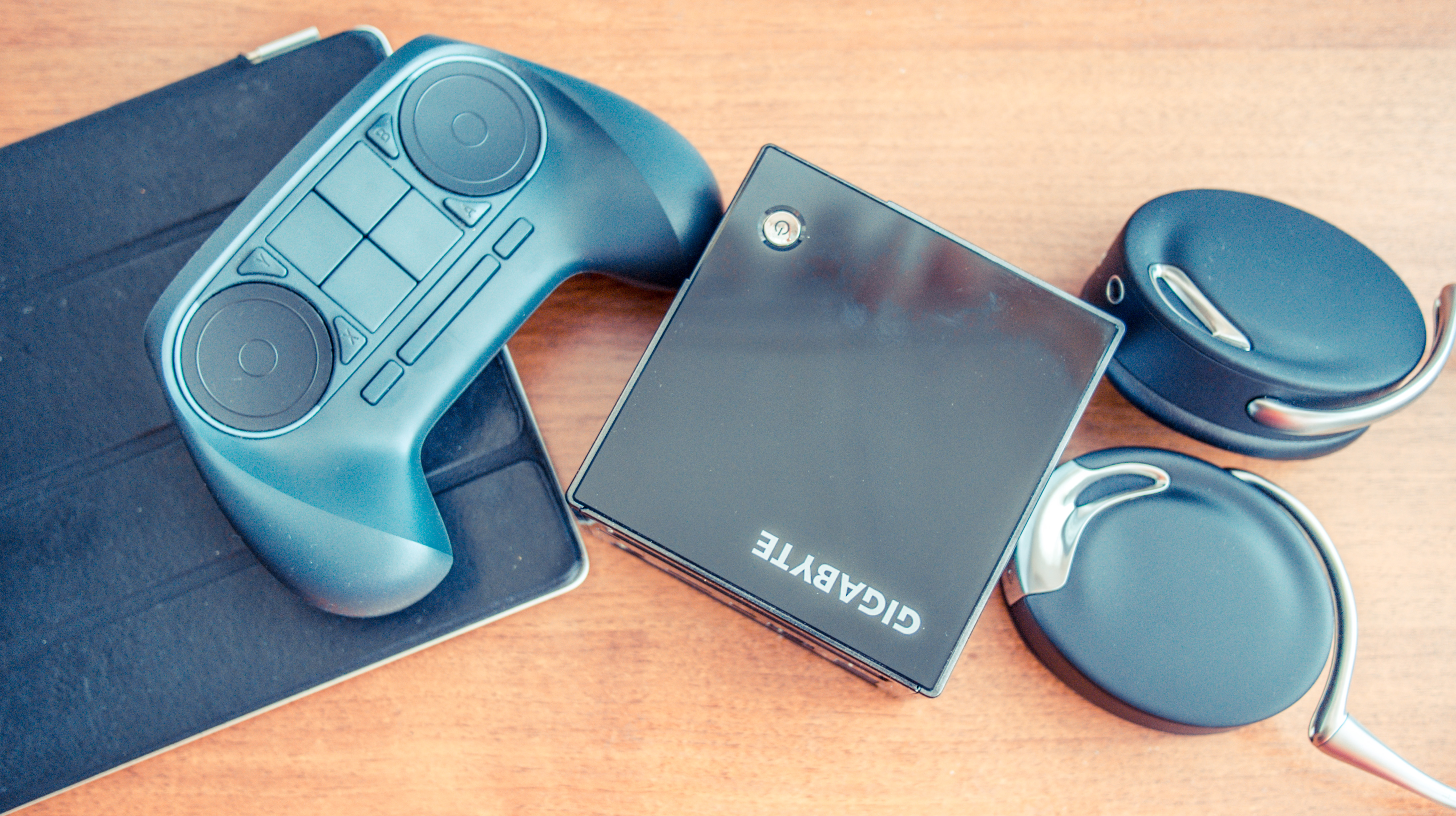
Valve has released a PC-console hybrid called the Steam Machine for £879, and the company’s explanation for the price is as predictable as it is tired: component costs are rising. This is technically true in the way that saying ‘gravity exists’ is technically true while you’re falling off a cliff.
The Steam Machine is powerful hardware that does what it says on the tin. But somewhere between the manufacturing floor and the retail shelf, Valve decided that ‘component costs are high’ was sufficient justification for charging nearly nine hundred pounds for a box that plays games people already own on cheaper hardware.
Why does every tech company simultaneously discover rising costs only when they’re announcing a new product? Because component inflation is real, sure—but so is the fact that competitors manage to price similar devices at half this number. Yet Valve’s press release blamed the economy, not the margins.
The Steam Machine will sell to enthusiasts who’ve already committed to Valve’s ecosystem. They’ll buy it because Steam Deck worked, because the branding is trusted, because they have no other choice if they want this specific thing. And Valve knows this.
Component costs rose. Valve’s prices rose faster. The gap between those two numbers is called profit, and it’s the real story nobody in the tech press bothers to mention anymore.