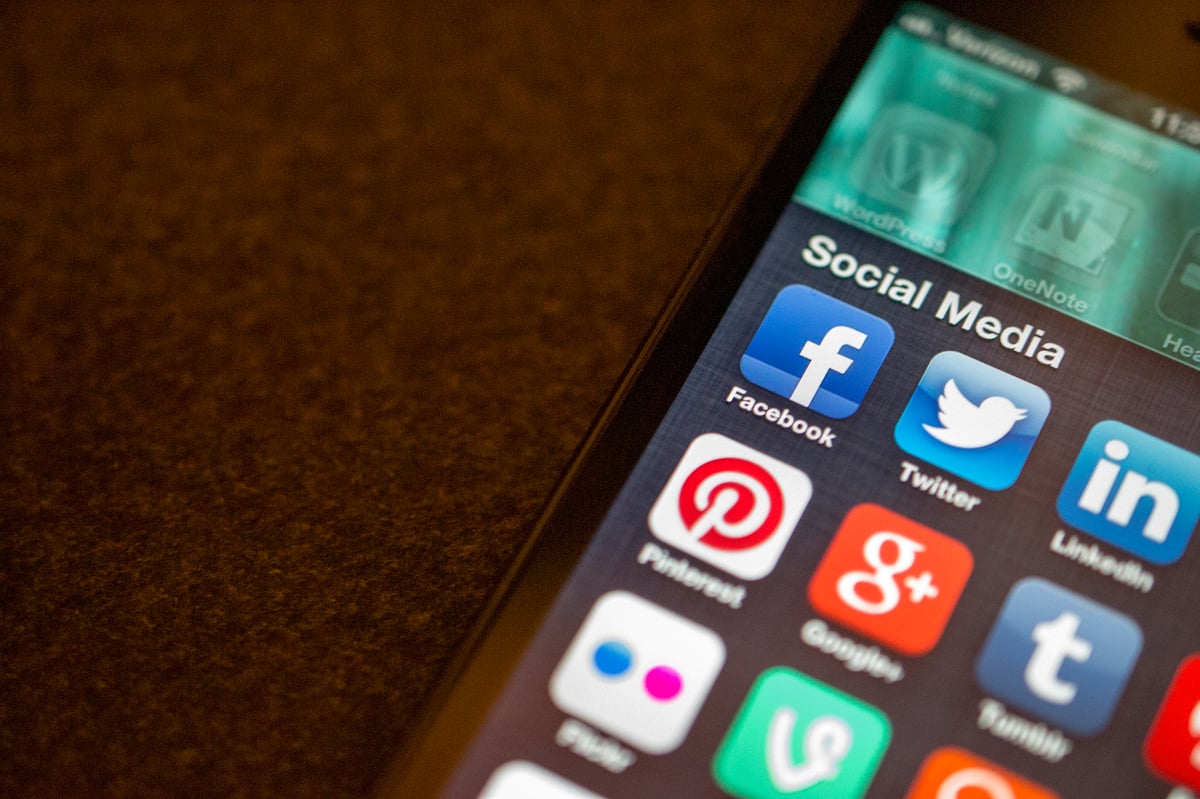
Britain has solved the youth mental health crisis. Not by funding therapists or addressing the actual causes of anxiety — by making social media illegal for anyone under 16 starting early 2027. Problem solved. Children will now be safe, happy, and completely isolated from their peers.
The ban targets Instagram, TikTok, Snapchat, and YouTube. Which is to say it targets the entire social fabric of modern adolescence while leaving the government looking decisive. The prime minister announced this as though it were a military campaign. It is not. It is a panic button labeled ‘do something’ that someone finally pressed.
But here’s where it gets fun: nobody actually knows what this means yet. Will Roblox count as social media? WhatsApp? YouTube’s comment section? The government hasn’t decided. The platforms haven’t decided. Parliament will figure it out sometime between now and implementation, probably by accident. These details are minor compared to the symbolic victory of banning the thing parents blame for everything.
The legislation assumes age verification technology works. It doesn’t. A child with a VPN and a parent’s email address will be online within minutes. The ban will succeed in punishing compliant kids whose parents actually enforce it while teaching savvy teenagers how to use proxy servers. A masterclass in policy theater.
What’s truly absurd is the premise: that removing access to social platforms solves the problem of social media. Teenagers will still want connection. They’ll find it. They’ll just do it in spaces nobody’s monitoring, with no safety infrastructure at all. The ban doesn’t protect children. It just moves the problem somewhere darker and calls it progress.