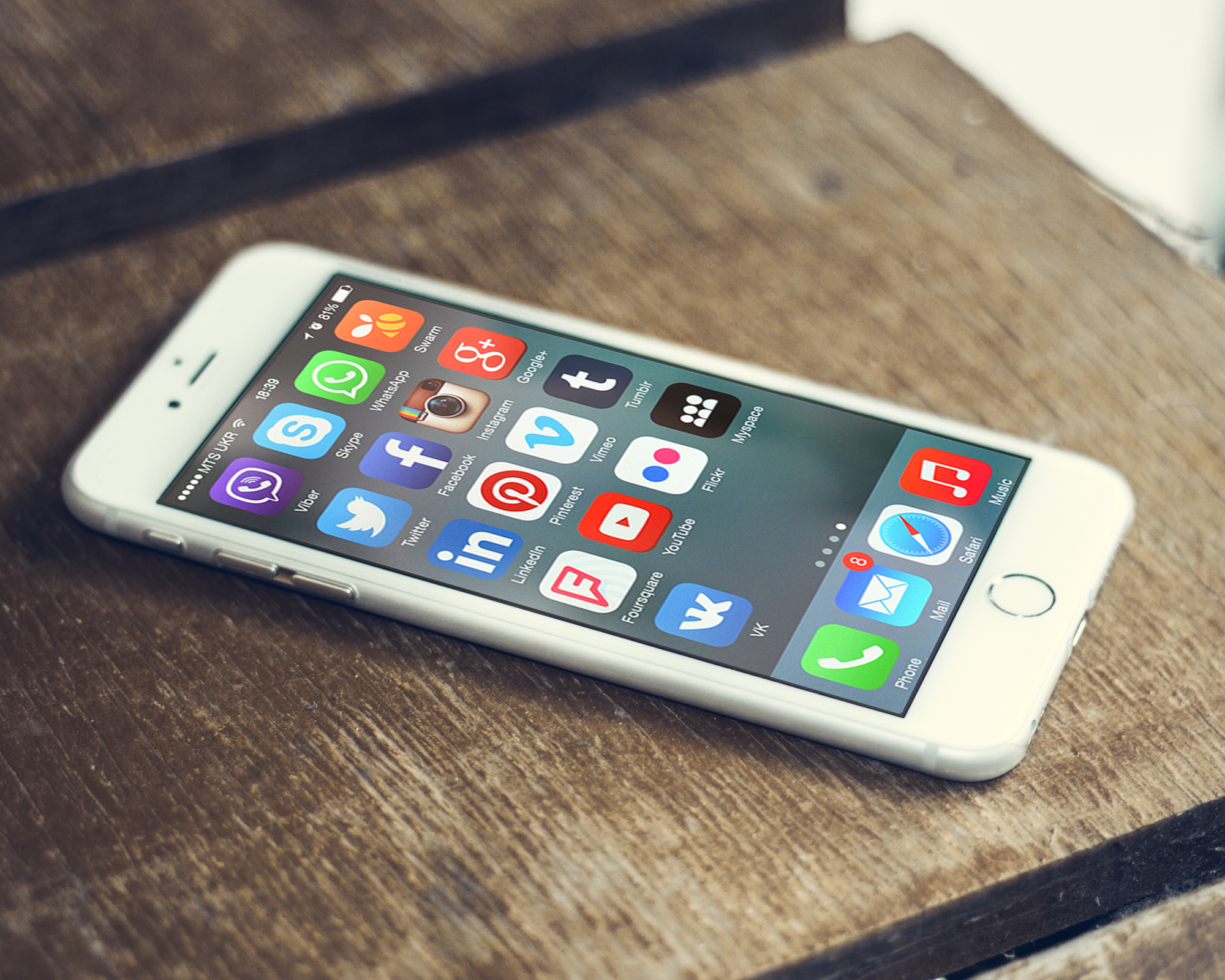
Governments have finally cracked the code on youth protection: ban the platforms, keep the addiction intact. Brilliant strategy. The logic is airtight—if teenagers can’t access TikTok, Instagram, or X, they’ll simply stop wanting dopamine hits and become well-adjusted humans who read books. They definitely won’t migrate to private Discord servers, encrypted messaging apps, or VPNs that their parents have never heard of.
The real genius move is the timing. Implement social media bans just as algorithms have spent a decade perfecting exactly which content makes each teen’s brain light up like a slot machine. Years of behavioral data, engagement optimization, and psychological profiling—all that investment gets to stay in place. The bans just push the same addictive mechanics underground, where moderation doesn’t exist and the algorithm can get even weirder.
What’s particularly inspired is banning the platforms without addressing why they’re addictive in the first place. The infinite scroll, the engagement metrics, the designed FOMO—all still legal to build into whatever replaces these apps. It’s like banning cigarettes while keeping nicotine patches on the shelf and calling it a public health victory.
Meanwhile, teenagers will become information deserts. No TikTok means no news. No Instagram means no community. No X means no discourse, which is probably a win, but the vacuum gets filled by whatever unmoderated, algorithm-free chaos emerges next. At least the current platforms pretend to have safety teams. The replacements won’t even bother.
So congratulations, lawmakers. You’ve solved youth social media use by ensuring it continues in darker corners, with worse outcomes, and zero accountability. The platforms themselves remain untouched. The business model stays intact. And addiction shifts address.