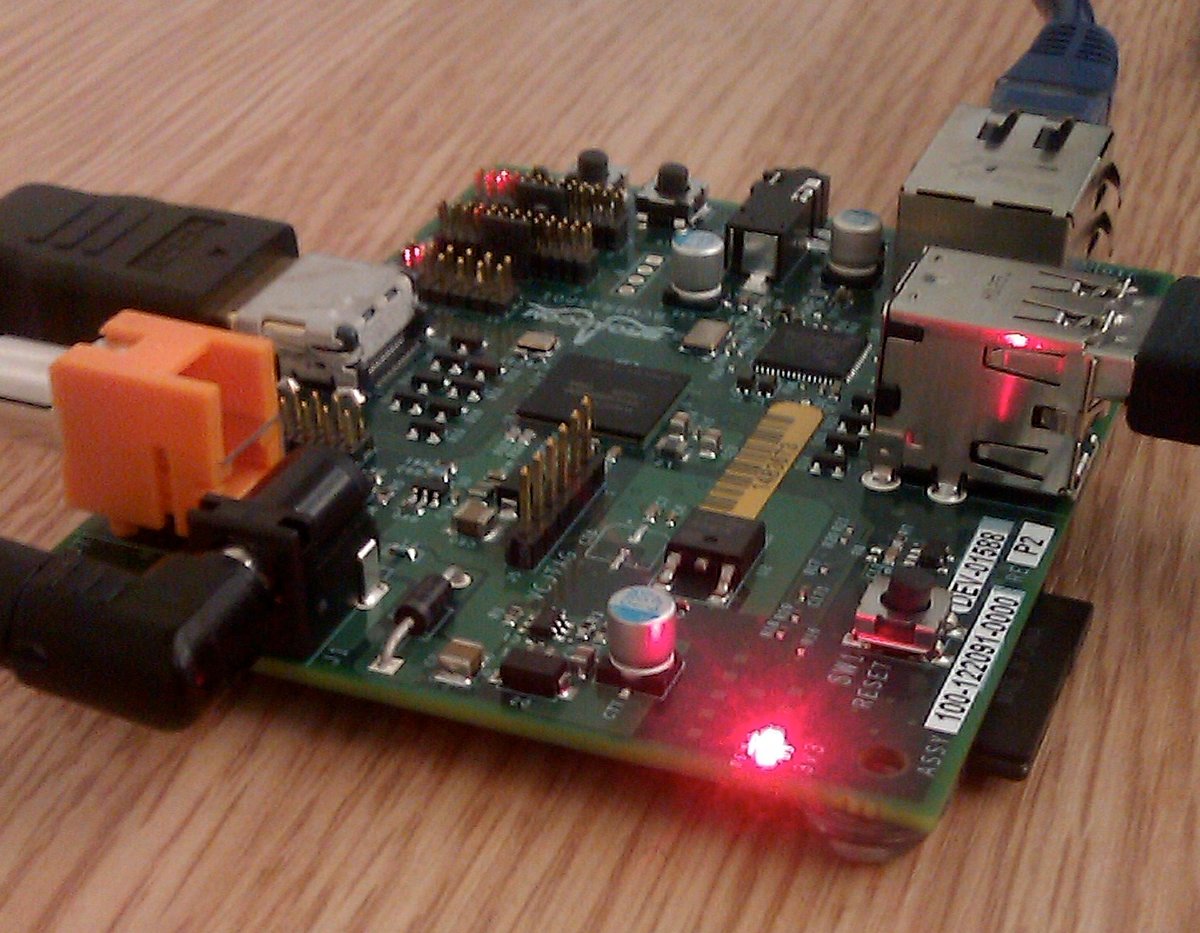
A company that spent fifteen years selling $35 computers to teenagers building weather stations has suddenly discovered it’s worth hundreds of millions. Raspberry Pi’s latest profit forecast—$38 million for the first half of 2026—arrived with the kind of breathless certainty usually reserved for companies that have actually invented something.
The magic word, naturally, is AI. Suddenly every Raspberry Pi shipped isn’t a hobbyist’s entry point to programming. It’s an edge computing device. An AI inference node. A critical component in the emerging infrastructure of machine learning deployment. The product didn’t change. The marketing department’s thesaurus did.
What actually happened: enterprises discovered they could buy cheap hardware and bolt machine learning models onto it, and Raspberry Pi was already sitting in the supply chain. The company didn’t pivot to AI. The world decided everything was AI, and Raspberry Pi was already there, which in 2026 is apparently the same as being a visionary.
The valuation reflects this perfectly. A modest hardware manufacturer with loyal users and actual profitability is now trading like it invented the category. The earnings forecast is real. The hype is real. The connection between them is a marketing department’s wet dream.
Raspberry Pi didn’t become a tech titan because it changed. It became a tech titan because investors needed to believe someone, anyone, had a handle on the AI supply chain. A $35 computer did the job.