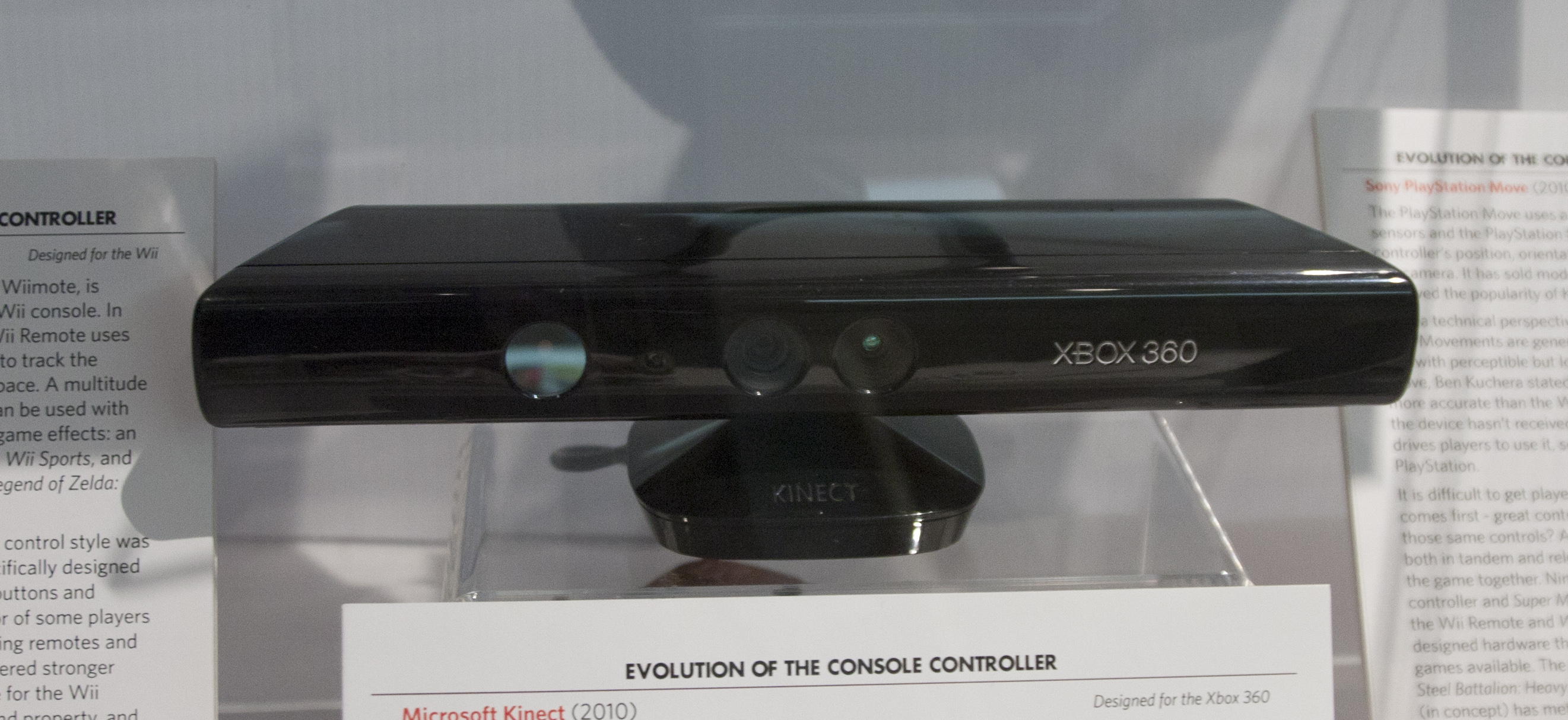
The Nex Playground launched yesterday for £269, and yes, it’s a video game console designed to get children moving. The irony is so thick you could render it at 4K.
The marketing materials are breathless about active gameplay, motion controls, and breaking the sedentary gaming cycle. What they don’t mention is that the console still plugs into a TV, still requires a child to sit within arm’s reach of a screen, and still operates within an industry whose entire business model depends on engagement metrics that correlate directly with time spent stationary.
Why would a company design hardware explicitly to fight gaming addiction while selling a product whose profitability scales with daily active users? Because the answer is obvious: they wouldn’t. The Nex Playground isn’t solving sedentary gaming. It’s repackaging it with better PR.
The motion controls are real. The games probably do encourage some physical movement. But a child who plays for four hours with occasional arm gestures is still a child who played for four hours. The console just lets parents feel virtuous about it.
This is what happens when an industry identifies a genuine problem—kids glued to screens—and responds not by reducing screen time, but by making screen time feel active. The Nex Playground isn’t a solution. It’s a very expensive alibi.