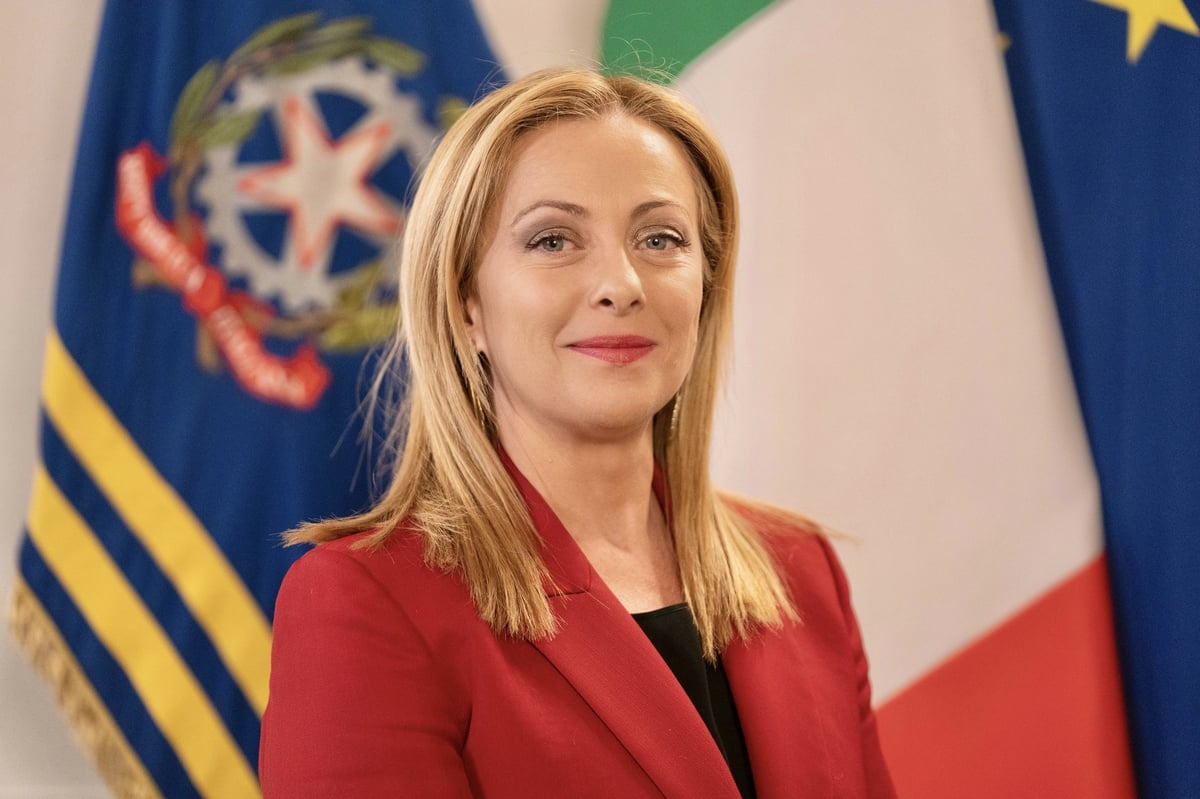
Giorgia Meloni has submitted a four-second audio clip to the EU intellectual property office in what can only be described as the political equivalent of filing a copyright on your own sneeze. The Italian Prime Minister is attempting to trademark her voice as a defense against deepfakes, because apparently the solution to synthetic media is bureaucratic ownership of biological facts.
This is not a technical strategy. This is performance art masquerading as policy. A trademark does not prevent someone from creating a deepfake any more than trademarking the word “water” prevents rain. What it does accomplish is a press release announcing that Meloni Takes AI Seriously, which is the real product being sold here.
Why did she think this would work? Because the gap between what politicians understand about technology and what they claim to understand is exactly wide enough to fit a four-second audio file and a stack of legal paperwork. The trademark gives the appearance of action while requiring zero understanding of how neural networks operate, how voice synthesis actually functions, or why a government monopoly on sound waves is philosophically incoherent.
The EU accepted the filing. This happened. An institution designed to protect intellectual property looked at an application to trademark a human voice and said yes, that is a legitimate use of our time. Meloni’s voice is now pending trademark status across the EU. Her laugh, her cadence, the specific timbre of her outrage—potentially protected by law. Her hair flip remains undefended.
This is what happens when politicians discover a problem they don’t understand and react by doing something that sounds official. The deepfakes will come regardless. The trademark will sit in a database, a monument to the idea that you can litigate your way out of the AI revolution.