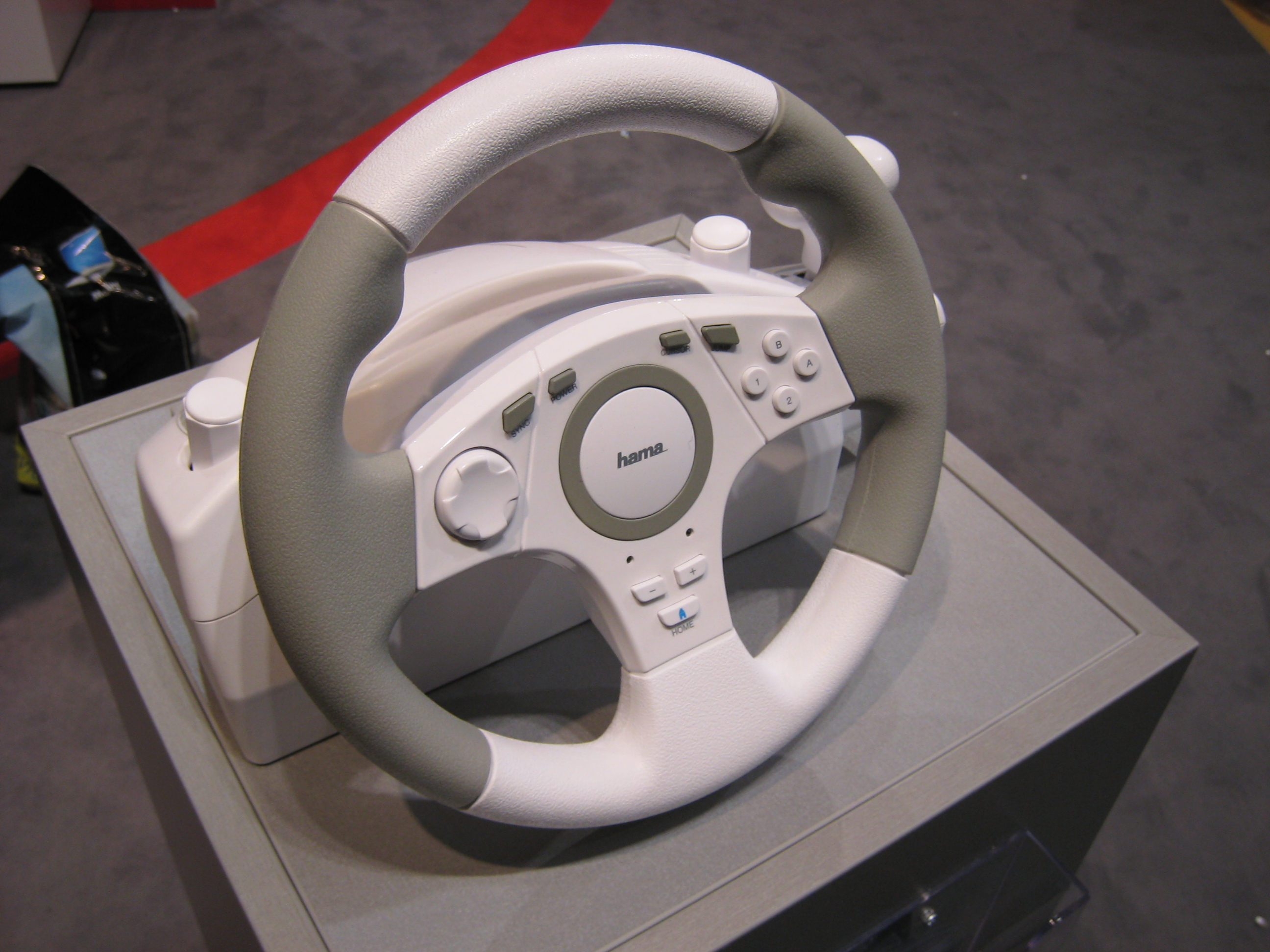
A new cube-shaped gaming console launches tomorrow in the UK and Ireland for £269, and it’s designed with a very specific promise: movement. Kids will jump. Kids will dance. Kids will wave their arms around like they’re being electrocuted. Then they’ll sit down for eight hours straight.
The hardware exists in that peculiar intersection where manufacturers have noticed children are sedentary and decided the solution is to sell parents a more expensive way for them to become sedentary. The cube shape is apparently crucial to this mission. Not a rectangular box. Not a sleek black monolith. A cube. The kind of thing you’d find in a Scandinavian furniture catalogue next to a £180 storage unit that holds exactly three things.
What makes this console different from the seventeen other movement-based gaming systems parents have already bought and abandoned? Marketing. The press release probably used the word ‘active’ at least six times. The console probably comes bundled with a fitness game that costs extra, tracks calories burned in units that don’t match any real measurement system, and becomes unplayable after the third week when the novelty evaporates.
Parents will buy it anyway because the guilt is real and the promise is seductive. For two weeks, their kid will genuinely move. Then the console will collect dust next to the Wii, the Kinect, and the VR headset they spent £400 on in 2019. The cube will be perfect for storage. It’s already shaped like a box.