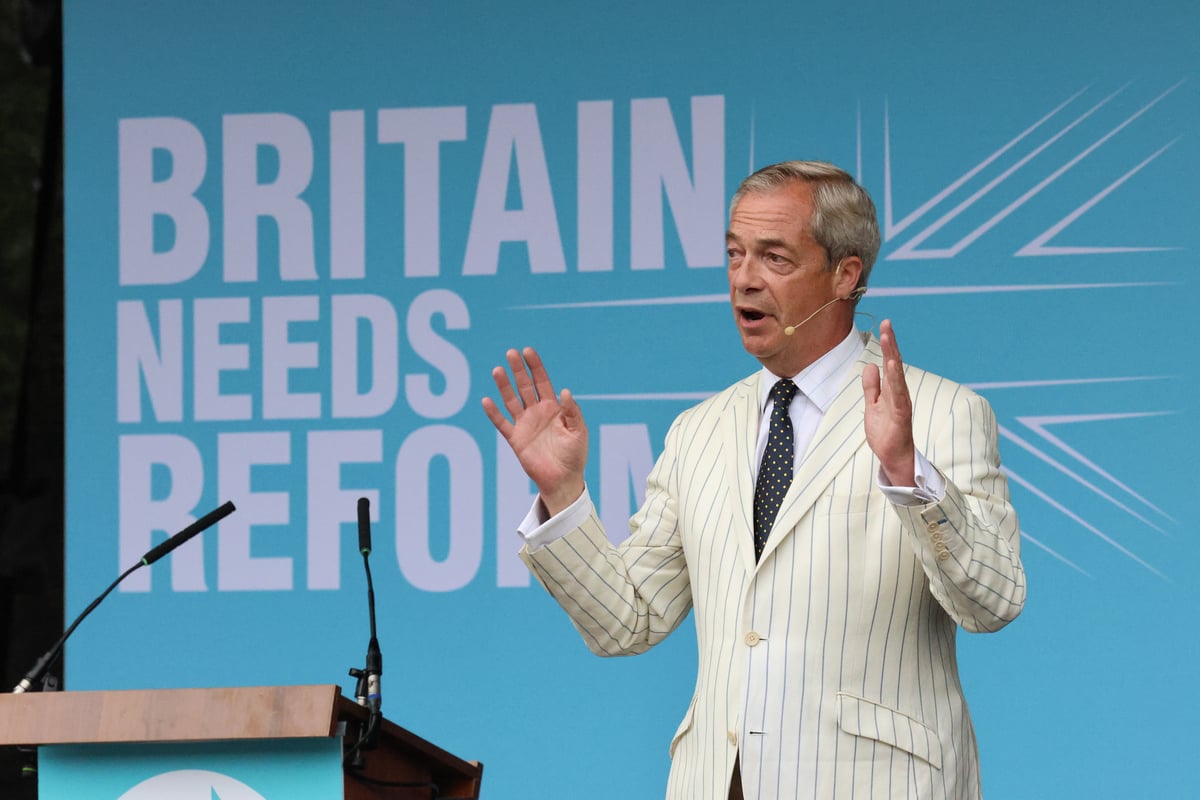
Nigel Farage has discovered that fake AI-generated advertisements impersonating the Bank of England governor exist on X, and his response was immediate: escalate to the platform’s highest level. Reform UK contacted Elon Musk’s operation about the synthetic ads, which is the political equivalent of calling the fire department because someone microwaved fish in the office kitchen.
The Bank of England, meanwhile, has asked the public to report the ads—a request that assumes people can distinguish between AI slop and actual financial authority in 2026. They cannot. Nobody can. The governor’s face has been deepfaked so many times that the real one probably feels like an imposter at his own press conferences.
But here’s the actual scandal buried under the panic: while Farage screams about synthetic political ads, nobody is asking why the Bank of England’s communication strategy relies on hoping random citizens will spot fake versions of their officials. That’s not a tech problem. That’s an admission that institutional credibility is now a consumer responsibility.
The real AI absurdity isn’t that deepfakes exist. It’s that a major political party treats a synthetic ad on social media as urgent enough for executive escalation while actual algorithmic systems quietly determine who gets loans, who gets hired, and who gets surveilled. Reform contacted X to the highest level. The Bank asked you to look harder. Nobody contacted anyone about the systems that actually matter.
The fake ads will be removed by Tuesday. The infrastructure that makes them trivial to create will hum along untouched.