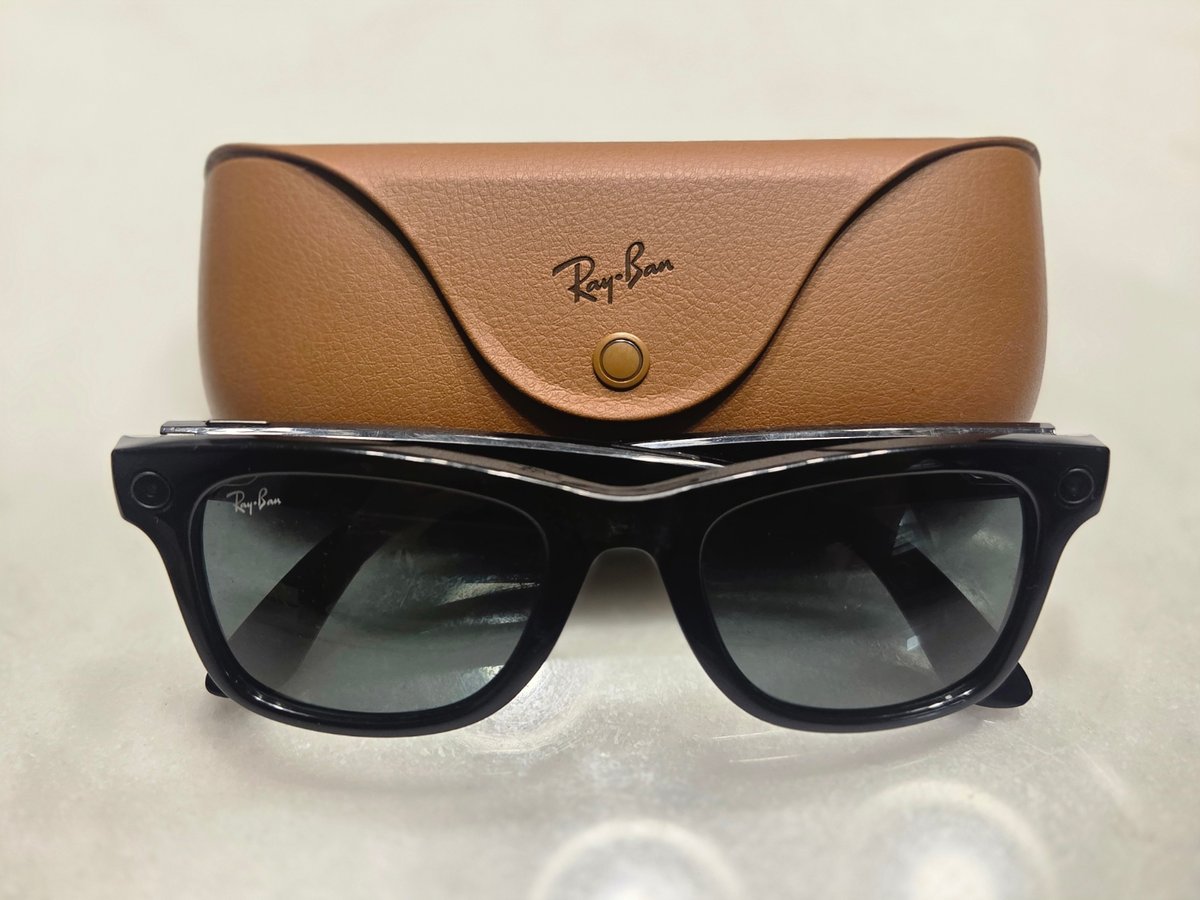
Australia has discovered the perfect solution to government surveillance: ban the one device that actually records what happens in government offices. The logic is flawless. Somewhere in Canberra, a bureaucrat realized that if nobody can film meetings, nobody will ever know about the meetings.
The real genius is the timing. We’ve spent two decades ignoring metadata harvesting, facial recognition databases, and the fact that your phone knows where you sleep. But smart glasses—the device that literally nobody was using anyway—that’s the line. That’s the one that requires legislative action.
Why does Australia care about smart glasses in government buildings? Because they’re visible. A camera you can see is a problem. A camera you can’t see is infrastructure. The distinction matters enormously to people who write policy documents in rooms where nothing gets recorded.
The BBC asked Sydney residents what they think, which is the journalistic equivalent of asking a focus group whether they like free money. Of course they support it. They also support lower taxes, cheaper housing, and not dying. Polling doesn’t explain why a government would ban a technology that poses less threat than the phones every civil servant already carries into secure areas.
The real story isn’t that Australia banned smart glasses. It’s that they banned them publicly, performed the action, and called it governance. Meanwhile, the actual surveillance infrastructure that matters—the boring stuff, the backend stuff, the stuff that doesn’t show up in a hardware ban—continues operating exactly as planned.
This is what happens when regulation chases headlines instead of harm.