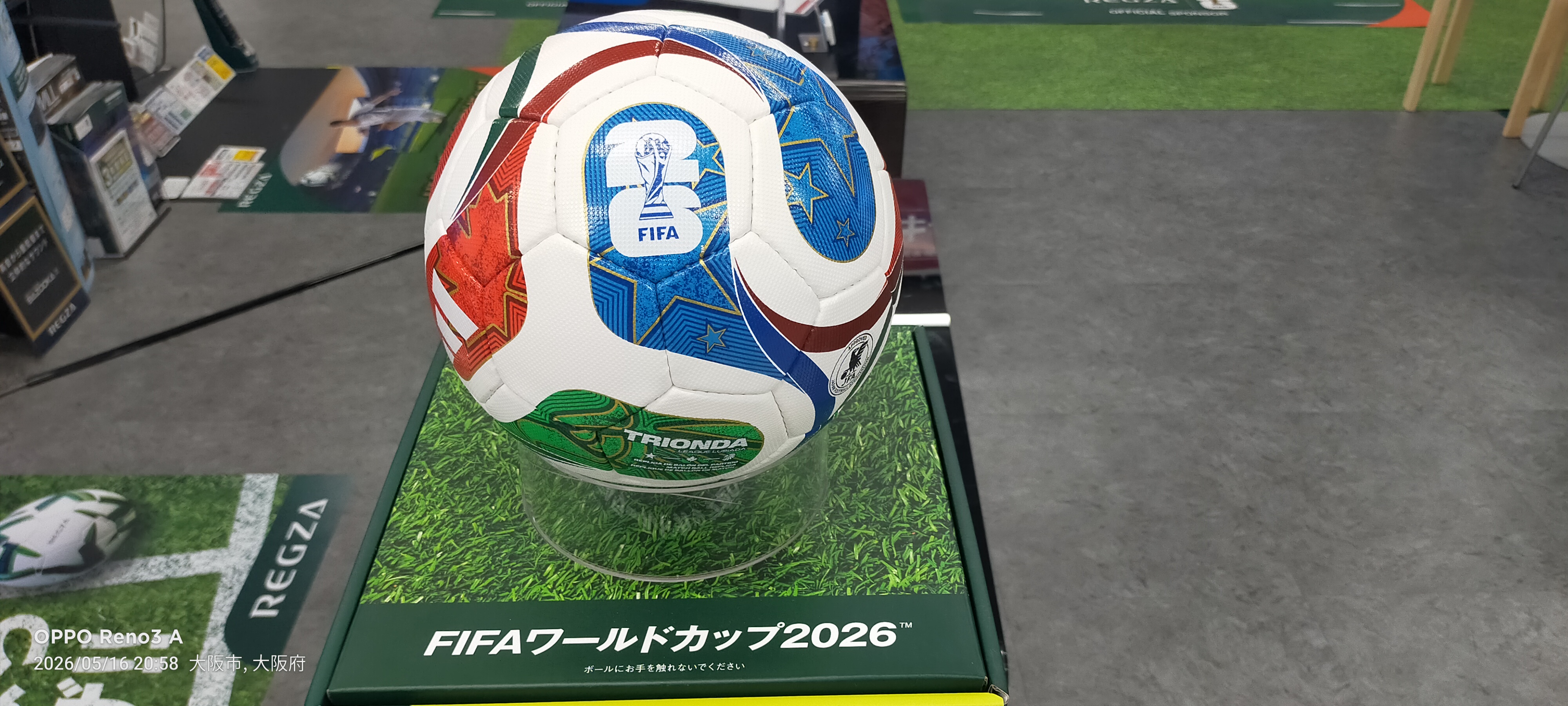
They arrive at the tournament with capes made of athletic tape and eyes that have seen things. Unspeakable things. Like another 90 minutes of football when their legs stopped obeying commands three weeks ago.
BBC Sport has done the grim accounting: which World Cup squads have been worked like coal miners in a nineteenth-century dystopia, and which ones actually got to sleep. The findings are damning. Some players have accumulated minutes the way billionaires accumulate yachts—not because they need them, but because the system refuses to stop feeding them into the machine.
These are not athletes anymore. They are content generators, merchandising units, and insurance policies wrapped in human skin. A midfielder who has played 4,500 minutes since last summer is not tired. He is transcendent. He has evolved beyond fatigue into some higher plane of existence where his body moves on pure spite and contractual obligation.
The absurdity writes itself: we have created a sport so profitable, so desperate for eyeballs and engagement, that we have accidentally engineered superheroes through sheer exhaustion. Their superpower? Playing through ligament damage that would ground a normal person for months. Their weakness? A weekend off.
Club football’s Olympic trials—that relentless grind from August through June—have transformed the World Cup into a tournament of the half-alive. We watch them shuffle across the pitch and marvel at their commitment. We do not call it what it is: institutional cruelty dressed up as passion.
The players will perform. They always do. But somewhere in Qatar or wherever the next tournament lives, a 23-year-old midfielder is already calculating how many more weeks until his body files for divorce.