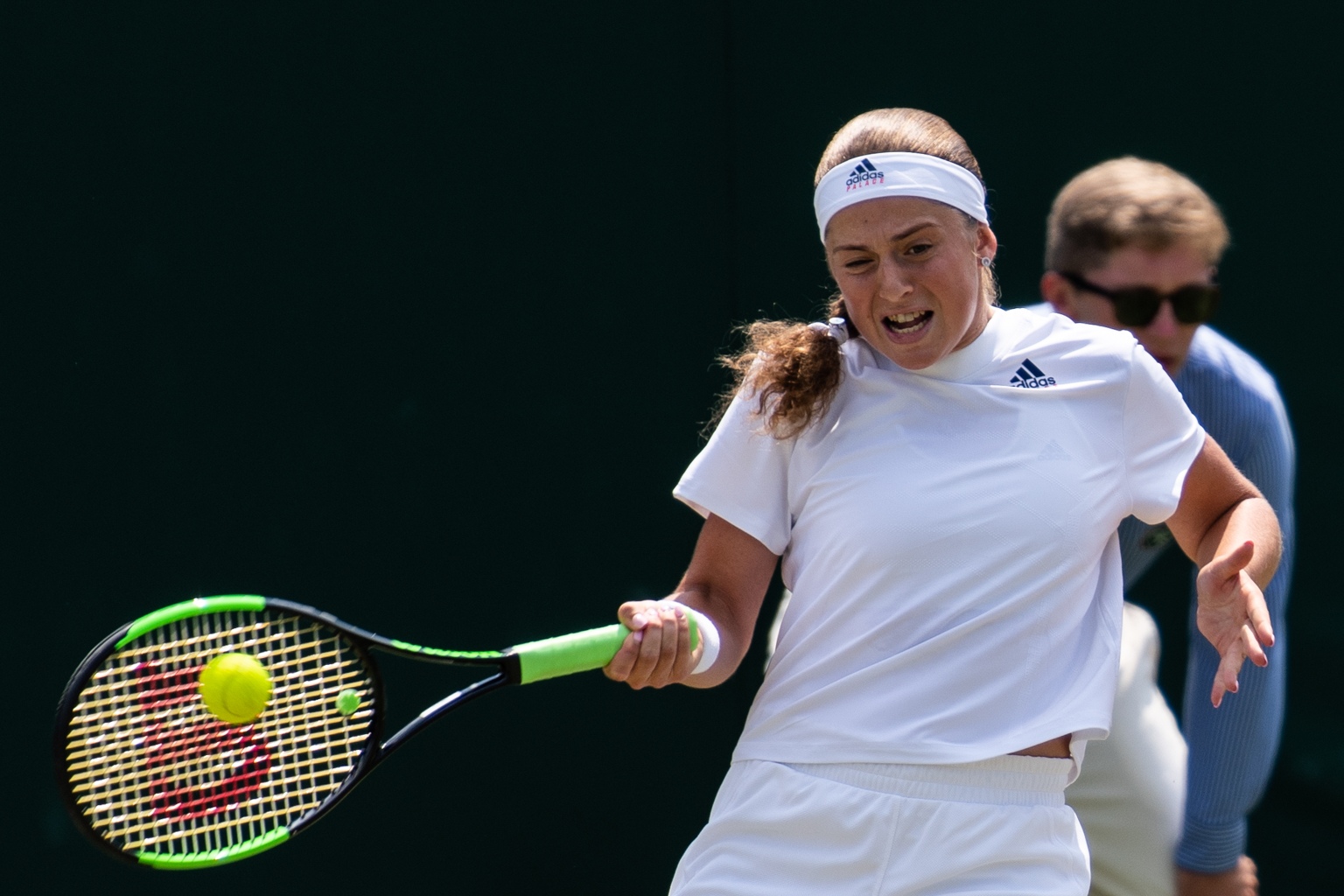
Jelena Ostapenko and Marcelo Arevalo won their Wimbledon mixed doubles match in straight sets on Tuesday. This is where the story should end. It did not.
Instead, what unfolded was a masterclass in competitive grief—the kind of post-match theatre that makes you wonder if the match itself was merely an opening act. The victors, you see, had opinions about how they had won. And their opponents, apparently, had opinions about their opinions. Words were exchanged. Blame was distributed like Wimbledon strawberries at a garden party.
This is the modern athlete’s paradox: you can win, but you cannot simply accept it. Victory without vindication is hollow. A straight-sets triumph without a post-match argument to prove you were the right kind of winner feels incomplete. The scoreboard says 6-4, 6-3, but the real match—the one that matters—happens after the handshake, when someone must explain why they deserved to win more thoroughly than they actually did.
The irony is delicious. These are professionals at the pinnacle of their sport, yet they cannot resist the urge to litigate the terms of their own success. It is as if winning cleanly has become insufficiently dramatic. You must earn the victory and the argument about the victory. You must prove not just that you are better, but that you are better in the right way, according to standards only you understand.
One wonders if the real competition at Wimbledon is no longer tennis. Perhaps it is the post-match blame game—a discipline in which everyone, regardless of the scoreline, somehow loses.